

What's really going on at Brixton Market?
The rush to raise £15m by Monday • London's indoor markets are facing fresh challenges • Who's actually wanting to buy it?


Welcome to London Centric, where we’re working on a run of investigative stories that we’re really excited to bring you .
Today we’re looking at an issue that has been requested by many subscribers this week: What’s really going on with the threat to sell Brixton Market?
If you want a last minute Father’s Day present for the discerning dad, London Centric gift subscriptions are available. (And if you want a customised package, drop us a line on email or WhatsApp and we can put together something that’s tailored for your dad.)
Do you have a spare £15m to buy this market?
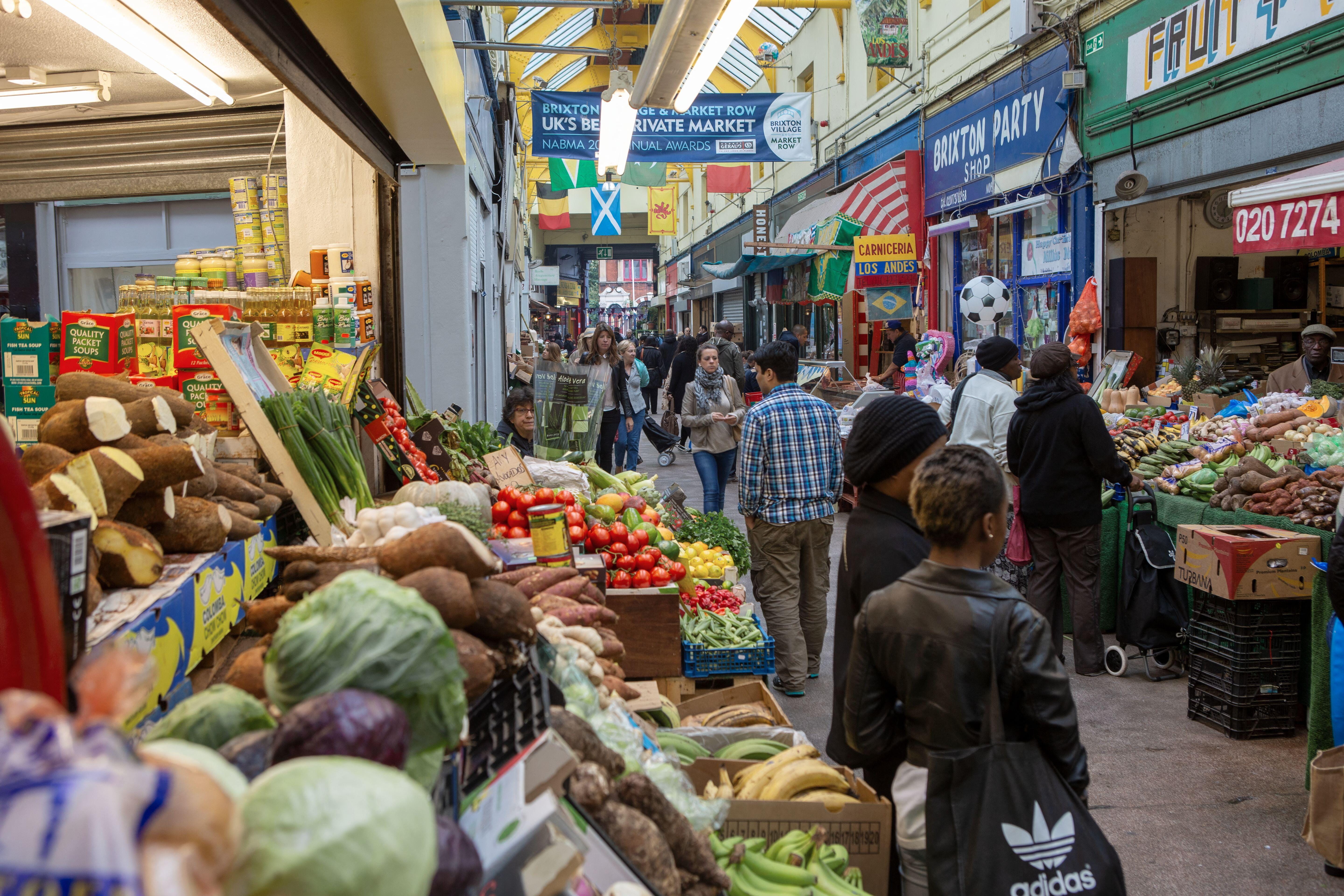
On Wednesday a stark call to arms was issued on social media: “Brixton Market as we know it could disappear.”
The campaign, launched by the south London youth charity The Advocacy Academy, warned that the site is about to be sold to “private equity bidders”. This, they said, could result in evictions, increased rents, and a market “filled with faceless multinational chains”.
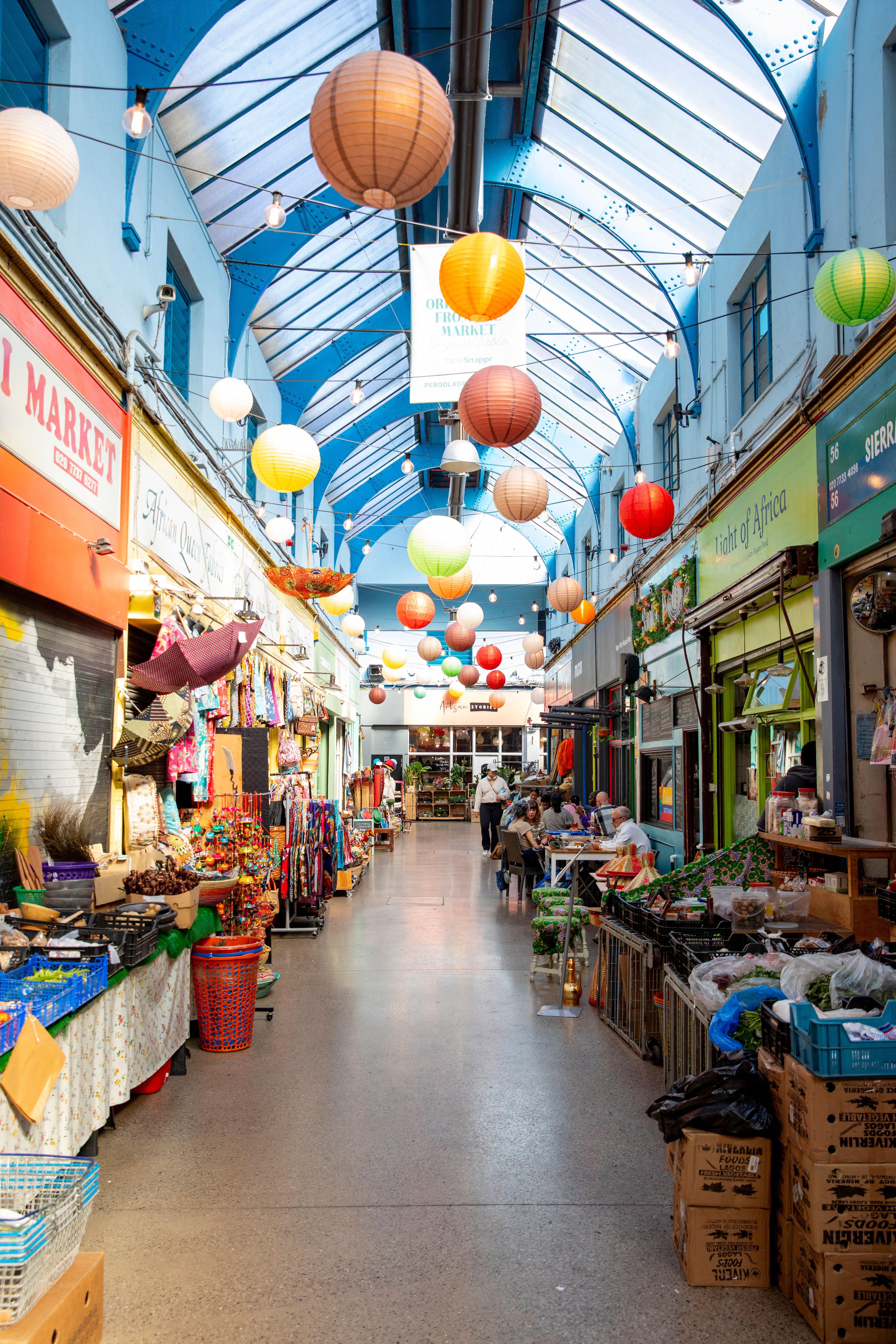
Brixton Market’s reputation spreads beyond its south London location. It’s home to hundreds of independent businesses and has become a food destination in its own right that’s a short trip down the Victoria line from central London.
The latest events comes on the back of a string of evictions that have hit London’s largely indoor markets hard, with traders battling closure at Brixton Plaza, Dalston’s Ridley Road, and Bayswater’s Queensway Market.
The Advocacy Academy is proposing a radical solution to head off that possibility: a community buyout, led by the traders currently in situ, that gives them control of their site. They have opened a petition, signed by almost 25,000 people. They’ve started a crowdfunder, which has raised more than £20k from small online donations in a matter of days, topped up by a combined £130k from two offline donors. They’re trying to convince philanthropic trusts and “high-net-worth individuals” to pledge a further £15m by Monday towards a headline purchase price of £50m.
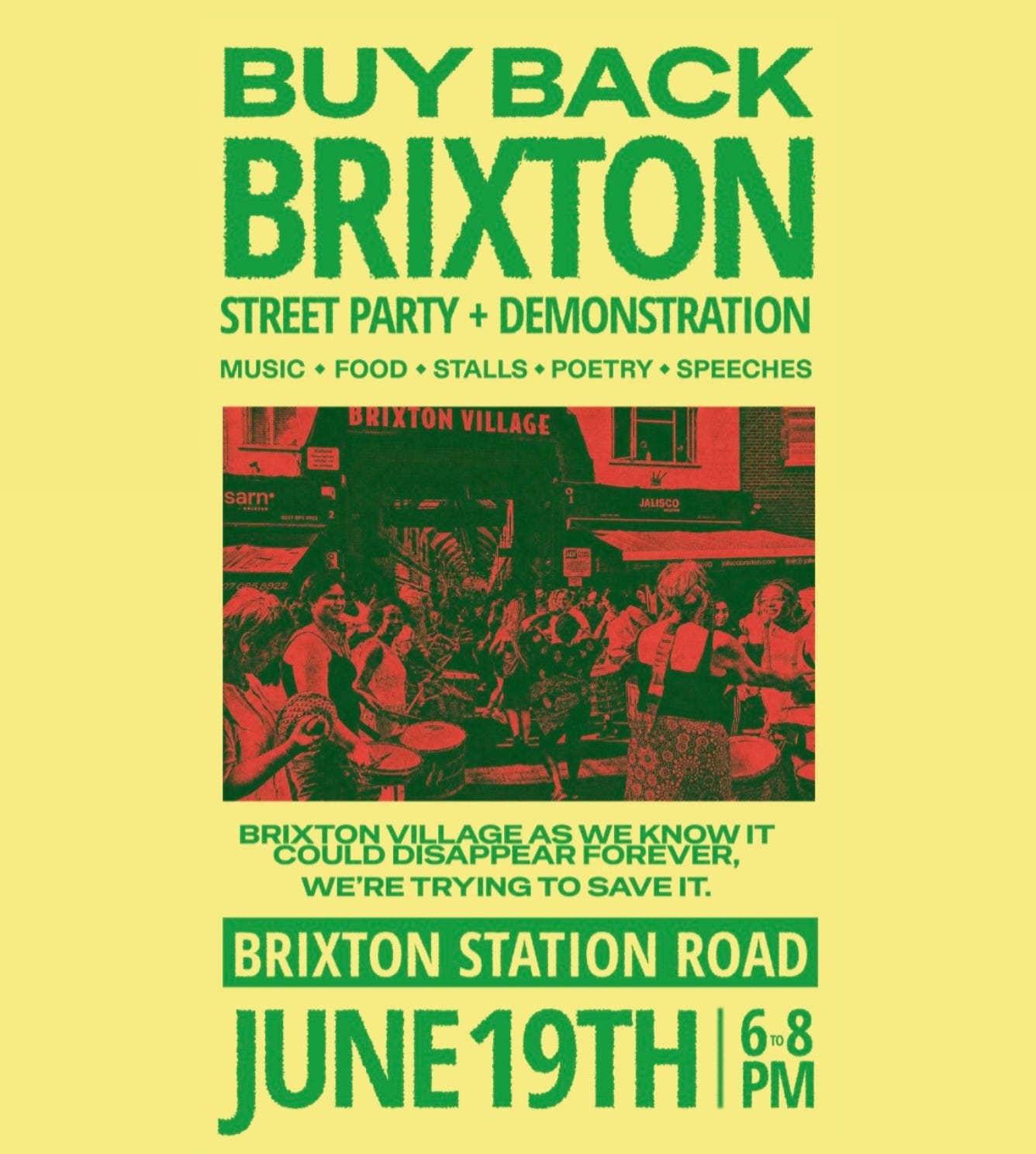
The issue has filled Instagram feeds, flooded WhatsApp groups, and received national coverage. On Friday night Martin Abrams, the new Green leader of Lambeth council, and local Labour MP Helen Hayes pledged their backing at a public rally in Brixton.
Yet what has been thin on the ground are the actual details around the sale, whether we really know who the rival bidders are, why it’s come to a head now, and whether it’s possible for a small team to raise millions of pounds in a matter of days. So London Centric decided to try to establish the facts.
It takes a village…
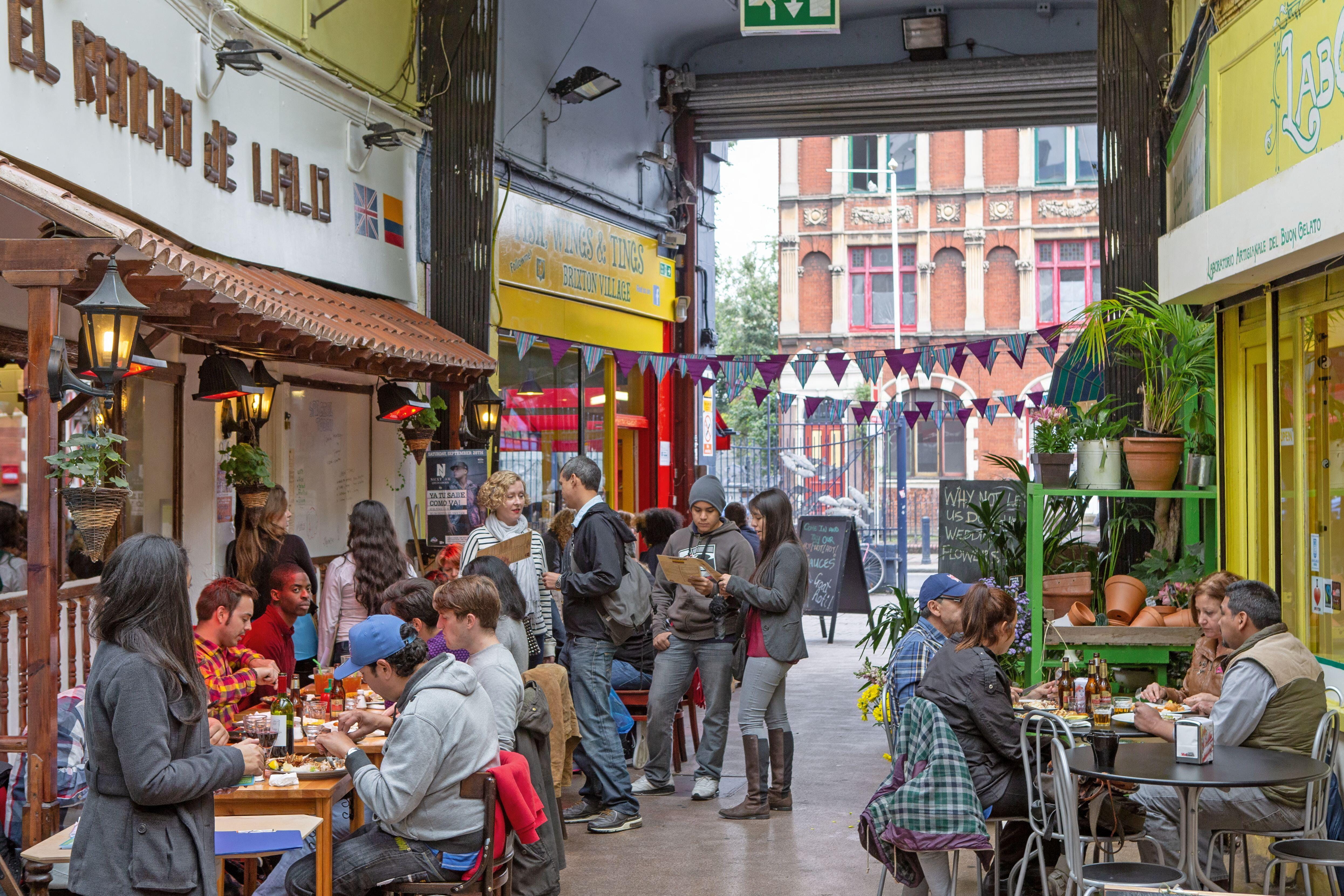
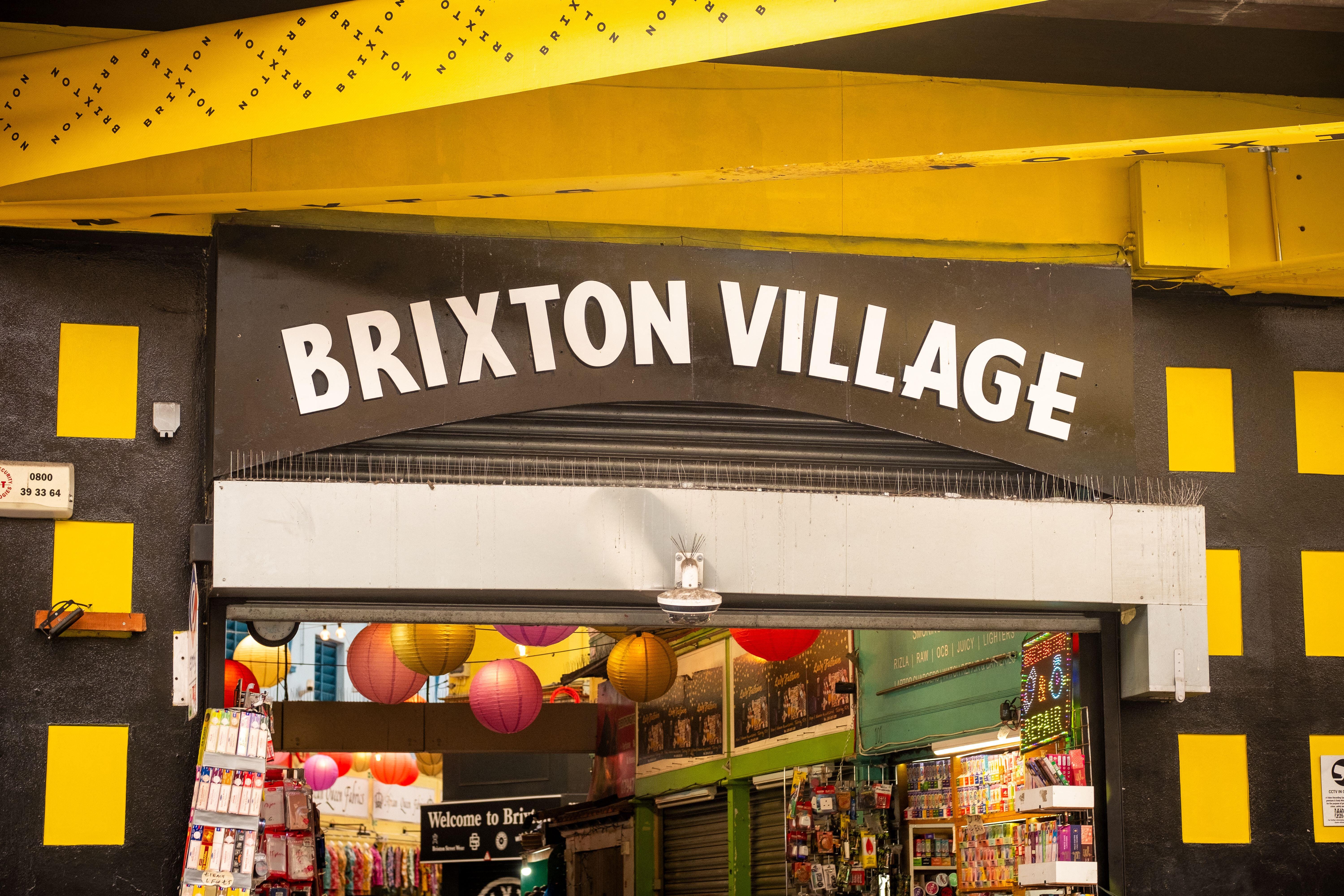
The area of central Brixton behind the Victoria line tube station has long been a battleground for competing visions of what London should be about and who it should be for. Brixton Village — as part of the market was rebranded in the 2000s — has also gained a following well beyond its local area. Over the last fifteen years it has acted as a testing ground for restaurants that would later take over London, such as Franco Manca and Honest Burger.
Following this transformation, in 2018 the wider Brixton Market site, which includes several arcades, went up for sale. Mike Ashley’s Sports Direct lost a bidding war and it was instead bought for £37.3m by a joint venture between investors Angelo Gordon and DJing Texan millionaire and businessman Taylor McWilliams. He had grand plans for redeveloping the site. Instead, he got a bloody nose from community activists , the media, and politicians.
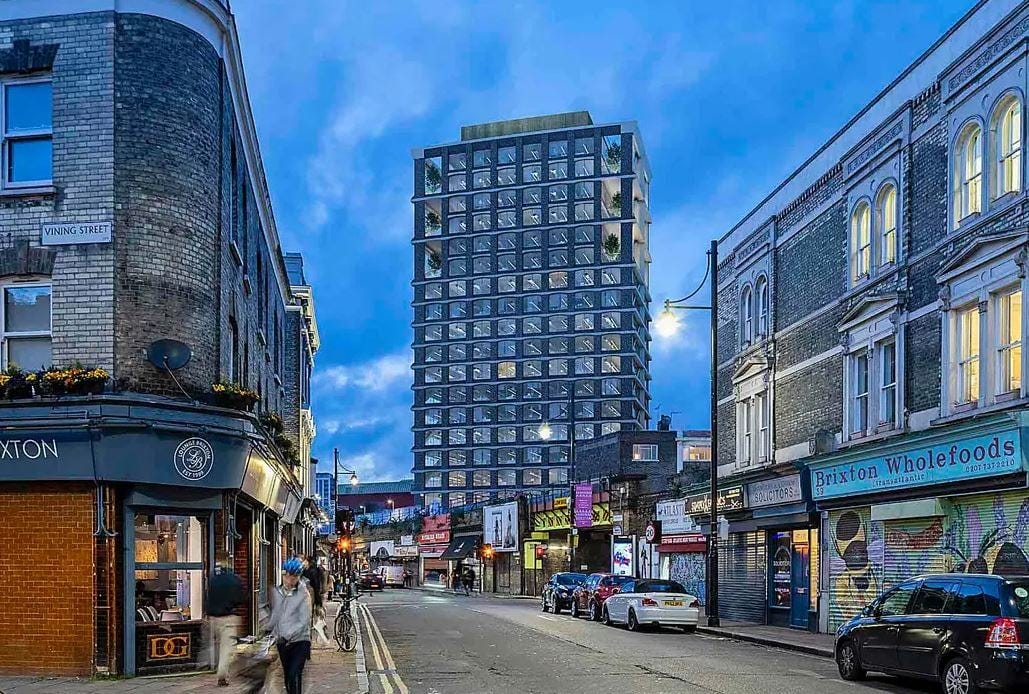
His attempts to evict the longstanding wholesaler Nour Cash and Carry attracted a local outcry during the pandemic. His plans for a 20-storey office block in the heart of Brixton were even more controversial. After that planning application was withdrawn in 2023, ahead of an expected intervention by Sadiq Khan, the owners threw in the towel and put the whole site up for sale.
As things stand the freehold for the majority of the site is owned by a company called Ag Hondo Market Row, registered in the Netherlands. This holding company is in turn controlled by TPG, the giant US private equity firm that has invested in a vast number of businesses, ranging from major US telecoms businesses to Cirque du Soleil and the media company Vice. It now owns Angelo Gordon, one of the original investors, and they want out of the troubled site.
While the sales pack was never made public, briefings to the press in late 2024 suggested the current owners wanted £80m, more than double their original investment, for the Brixton site.
Then everyone went publicly silent. Until now.
How long have they got?
The Advocacy Academy, a charity which works with young people in the local area, started organising with the Brixton Traders and Community Association two years ago. Their initial plan had been to help occupants of the market in the short term with leases, securing contract renewals on favourable terms, and improving working conditions at the market. The longer-term aspiration was to help them take control of the whole site.
“For a long time it was just kind of quiet,” Hiba Ahmad, community director at the Advocacy Academy, told London Centric. The charity’s remit is training young people with “lived experience of injustice to drive systemic change” from its Liberation Centre headquarters near the market.
At the start of this month the charity employed a property agent to formalise their interest in the site and indicate they were in the early stages of planning a community buyout. This was their first contact with the owners.
The agent soon got back with bad news: there were other interested bidders in the property, which had been for sale for almost two years. What’s more, within days of The Advocacy Academy’s initial approach, the estate agents said all potential purchasers had until Monday 22 June to show they have a “credible amount of money” to move to the next stage of the process.
This was a shock, said Ahmad: “We didn’t know at the time that there were other buyers. We were hoping to have a year or so to put our ducks in a row. We’d be very able to raise the money if we had a year. We’d got 12 days.”
She got to work with her colleagues, before going public with the plan on Wednesday: “It’s been like late evenings, early mornings, leaving no stone unturned because we really, really believe that this asset is too big for us to fumble. This is a generational opportunity and we don’t want to waste it.”
But is it “viable”?
The group is trying to arrange firm commitments of £15m by Monday from “high-net-worth individuals within and outside of the community who understand the importance of Brixton’s markets”, while also appealing to charitable funds. The idea is that these cash pledges could then be used to unlock loans to buy the whole site for around £50m in a leveraged community buyout.
Some trusts and potential investors are holding emergency board meetings to decide whether to back the buyout by the Monday deadline, said Ahmad: “The bulk of the donations are going to be coming from philanthropic institutions and they take a lot longer to come through, as we have to show that we are viable to them as an asset.”
The identity of the rival bidders interested is not public, although the charity has publicly claimed they are “private equity”. Its petition states it was urgent to act now as “our corporate sale window has been narrowed from six months to just days”.
A source close to the site’s existing owners pushed back on this, saying that “at no point” had they promised a six-month sale window to any of the bidders.
Ahmad confirmed this: “It was an assumption we were working off because we thought we were the only people interested in buying. We didn’t know about any other buyers and usually when you start the process, it takes about six months or so to just be nominated as the buyer. So we were working with the assumption that we had about six months to raise the money that is needed to take on this level of debt, essentially.”
The Gail’s question
The finances of the market could be healthy for any potential buyer, especially if they prioritised rent increases. London Centric understands bidding material states that the site currently makes £3.3m a year in rent from the current leases and that it had the potential to increase this to £4.5m, adding to suspicions that any new owner would introduce substantial rent hikes.
A planning application, approved in February 2025, also gave permission for the first floor to be refurbished to fit out an office and restaurant, as well as a second storey roof extension. Council consent for the plans adds value to the site, as prospective purchasers know that the site’s expansion has existing approval.
One of the traders who is concerned about the direction of travel is Simone Ogunbunmi, who was born and raised in Brixton. After trading for half a decade in the area, she decided to move to the market and open Haus, a plant and vinyl store. Two years on from its opening, she told London Centric “it’s turned into a space where everybody feels at home.” She’s served everyone from elderly people stopping in for a chat after they’ve finished their shopping, to Nobel Prize winner Malala Yousafzai, who bought a plant, and Hollywood actor Michael B Jordan, who browsed her record collection.
Things aren’t perfect with the existing operators, she said. The “rent is high,” with traders also paying service charges and insurance. There has been a substantial turnover of tenants in recent years.
Yet Ogunbunmi fears things would only get worse with new owners: “If rents rise significantly, which is what will happen if it’s bought up by equity developers, many traders simply won’t be able to afford the higher rent, and some would have to leave.”
The chance that independent businesses would be able to take over empty units is low, she argues, linking it to wider discussions about chain shops in the area. “We’re going to have a Gail’s,” she said, referring to the bakery’s recently announced plans to open in a former branch of Starbucks next to Brixton station. “If we manage Brixton Market ourselves, the profit that is made goes back into the market. Whereas if you have these large corporations, they’re looking to pocket that money.”
There are still no details on who else is interested in buying the market site, whether a political intervention could influence the sales process, and what any rival bidder plans for the site. Yet in just a few days a local political consensus has been built around the potential community bid.
For Hiba Ahmad, who is helping to run the campaign, it will all come down to what happens over the weekend and on Monday, as potential backers decide whether to get behind the plan: “There is a huge appetite for community ownership within the philanthropy sector as of now. But there’s so much work that needs to go into it to ensure that it’s legally viable, that it’s sustainable as a business and, in the long term, that there is actual democratic infrastructure to support it.”
By Monday, they will know if they’re in the running.
They should try and get the site listed as an Asset of Community Value with Lambeth Council. This will give them six months to find the cash with no competitors
https://mycommunity.org.uk/what-are-assets-of-community-value-acv
Sorry, I don't have £80 million, £50 million or even £15 million on me at the moment. As a plot of land in central London, it's got to be worth a lot of money, in theory, but somebody outside of the area, who doesn't understand and appreciate the spirit of Brixton, would likely be wasting their investment if they didn't have the support of the community. The backlash would be extraordinary. I like the idea of community ownership. But with ownership comes responsibilities; from safety to sewage, and insurance, it's not going to be without its headaches. I'll make a donation to the cause.