

The heat is too damn high
The politicisation of air con • Frozen treats for animals • Deliveroo pays heat bonuses • Exclusive photo essay • Flash flood sewage spills • Refuse collectors talk maggots • How do we fix it?


Readers have sent so many heat stories to us in the last few days, we’ve written a bonus edition to reflect one of London’s warmest ever weeks.
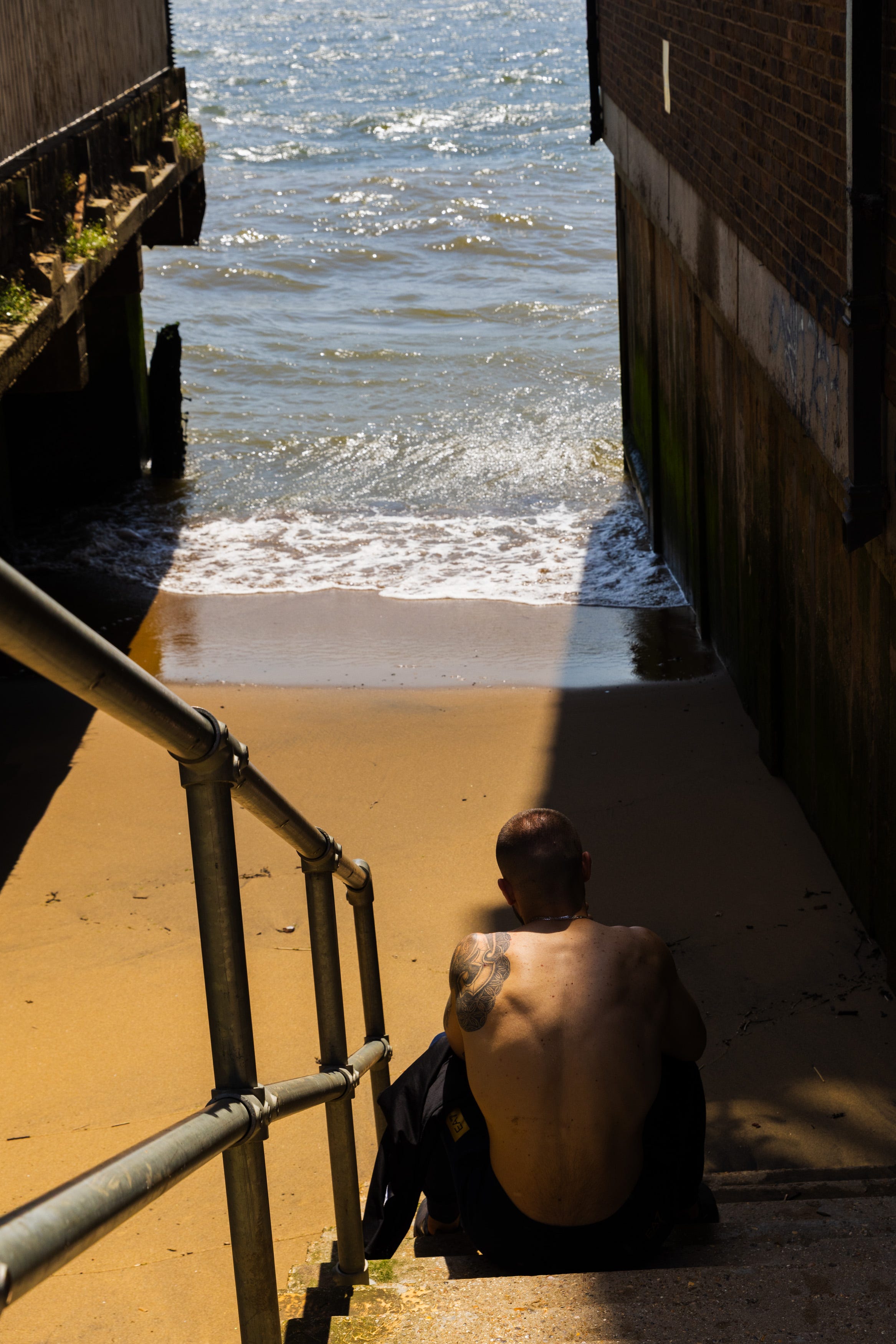
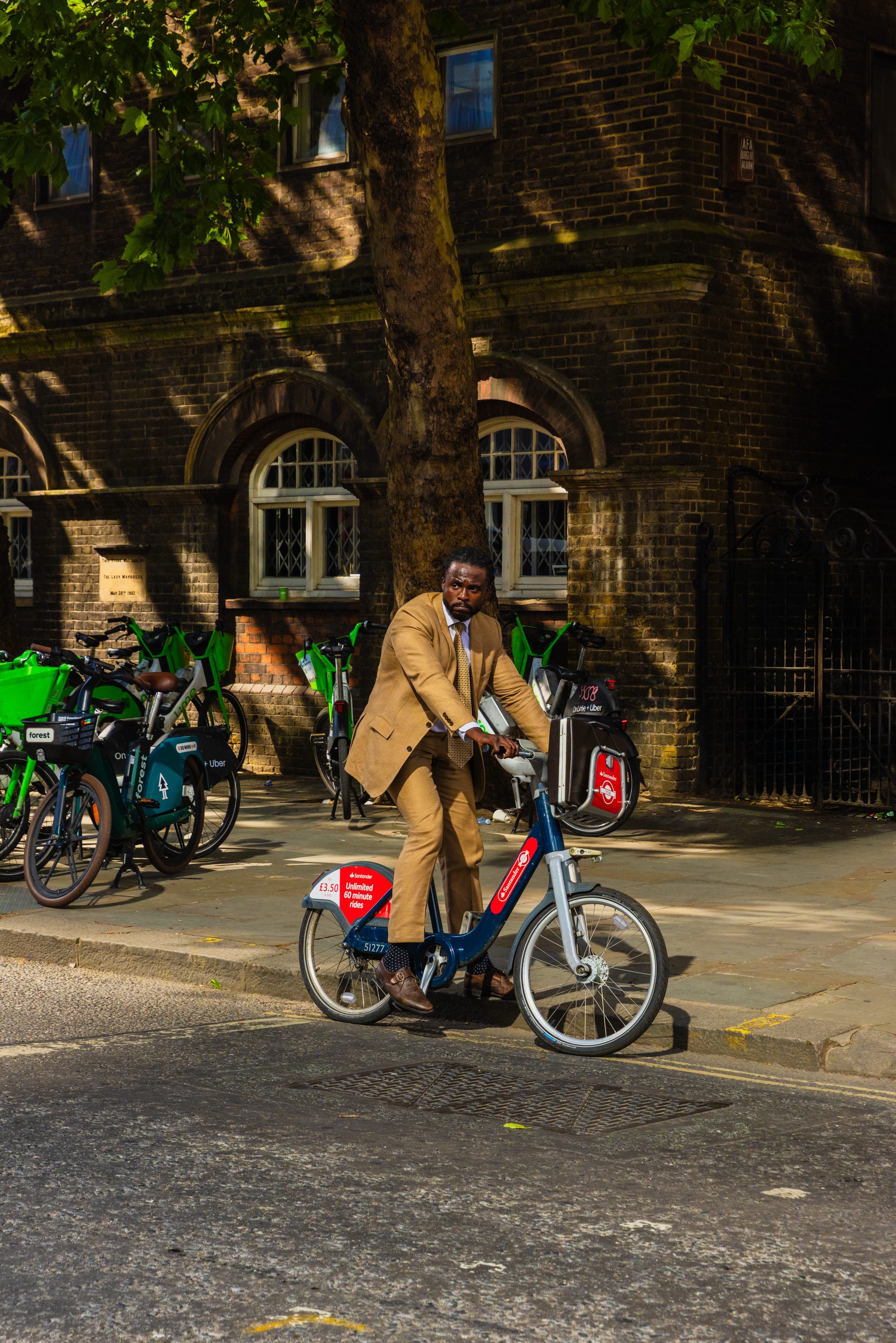
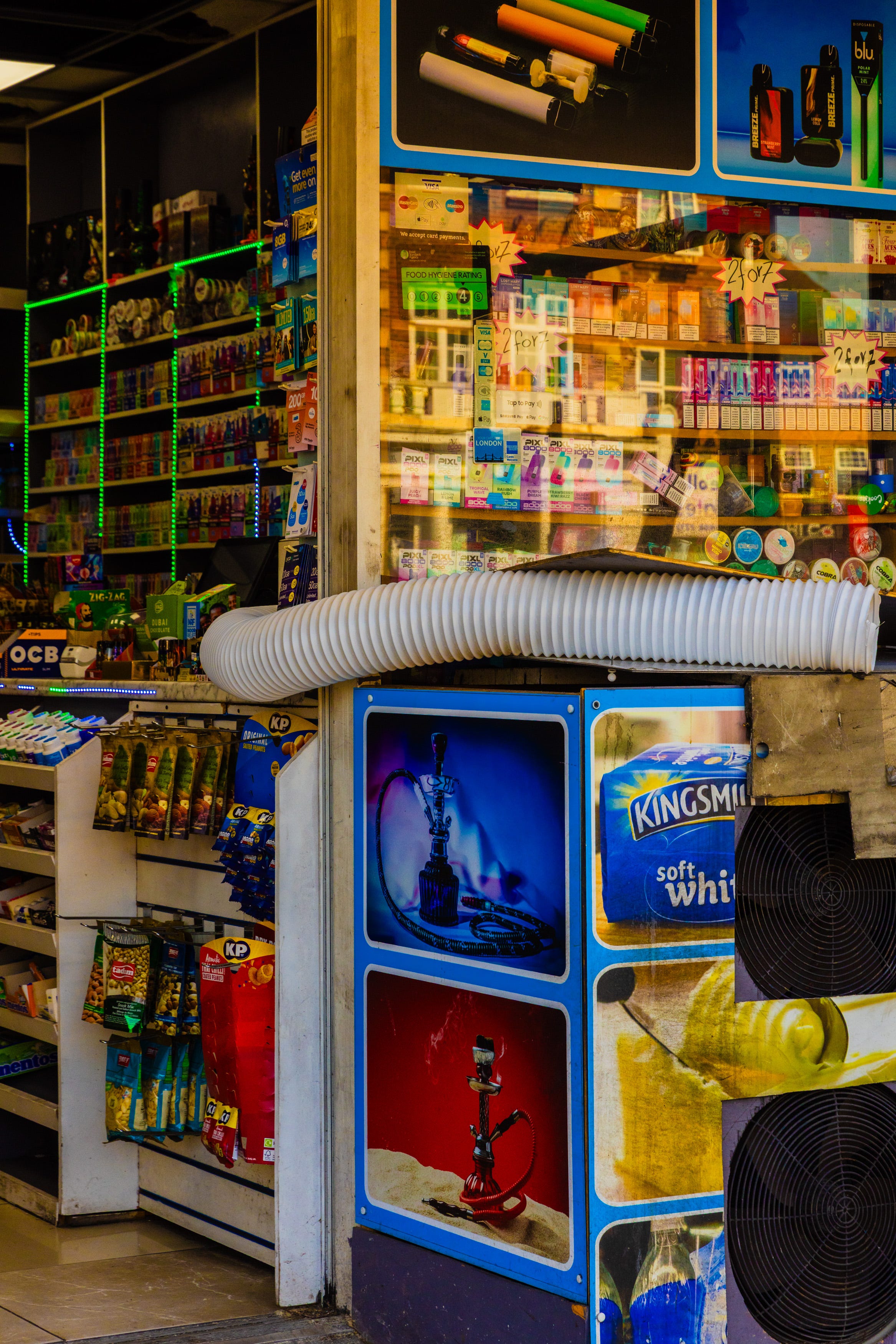
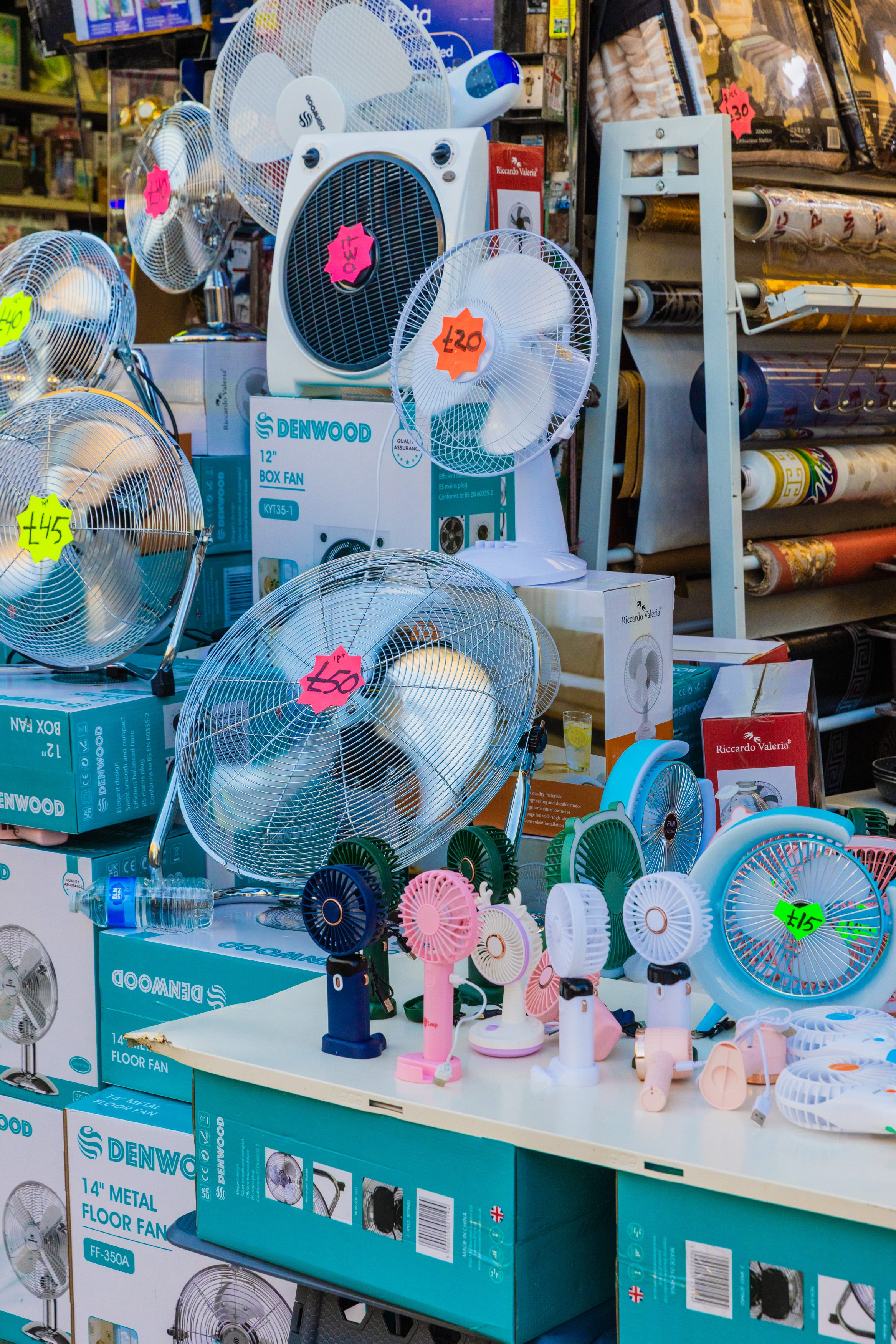
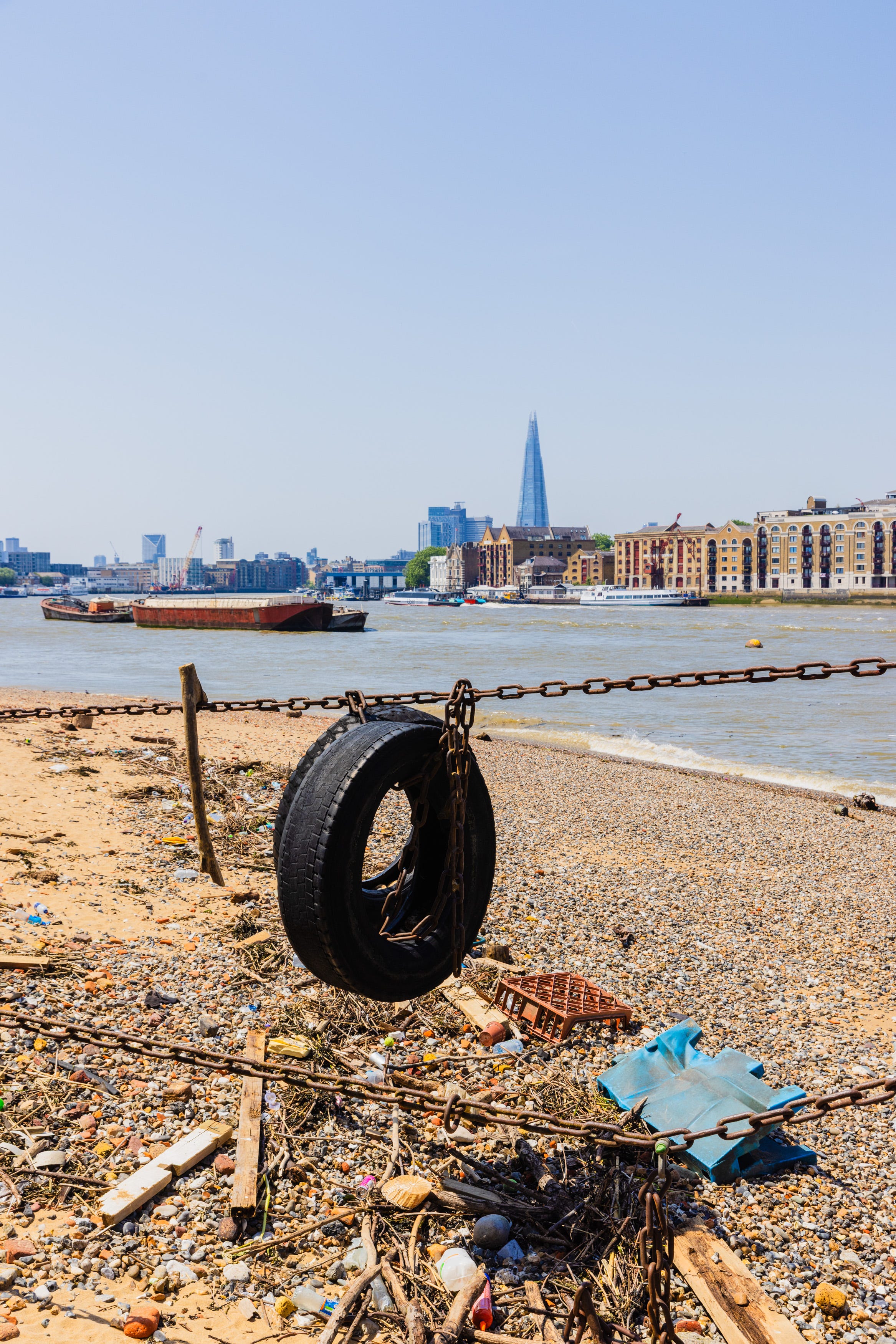
We also commissioned photographer Jennifer Forward-Hayter to try to capture the city as our brains and bodies fried. Her photos of this week are scattered between today’s stories.
Normal service has been disrupted after the editor’s children were sent home from school, so we’re in the trenches with lots of the rest of you. We’re working away on some more big investigations that we will be publishing soon.
We won an award!
On Thursday night London Centric won the Orwell Prize for Reporting Homelessness. It was for our work on the “mass evictions” carried out by Asif Aziz’s property business. The judges said it was the work on the topic of homelessness that “best met George Orwell’s ambition to ‘make political writing into art’”. (This is the second award we’ve won in recent weeks for our investigations into Asif Aziz’s business activities and it’s fantastic to see multiple sets of judges agree that our journalism is clearly in the public interest.)
Our separate investigation into fake TikToks stirring up anti-London sentiment for cheap views was also runner-up in Orwell Prize’s Exposing Britain’s Social Evils category.
All of which… isn’t bad for a tiny start-up newsletter funded by readers! Thanks to all the subscribers who made these stories possible.
Will the rest of the UK pay to cool down London?
London is the worst affected part of the UK for the extreme heat that is becoming our new normal. Billions of pounds will need to be spent to make the city liveable in the coming decades, or else school closures and hospitals sweltering with failed aircon will become an annual blight. So who’s going to pay for it? And for once, should the capital be receiving a bailout from central government to cope with its unique heat island situation, rather than cross subsidising the rest of the country?
Sadiq Khan’s long-awaited London Heat Plan launched on Thursday. It concludes that London’s economy is set to take a major hit if action doesn’t come soon. Yet making the city compatible with a hotter climate is “a public benefit with low financial returns”. The costs of coping with climate change are eye-watering: “Retrofitting the most heat-exposed homes in London could require upfront investment of between £9 billion and £45 billion, depending on the interventions and level of overheating reduced.”
Will central government cough up? Former Herne Hill resident Andy Burnham has spent part of this week experiencing the London heatwave as he returned to parliament as Labour heir-presumptive, but he has repeatedly promised to rebalance government spending away from the capital.
There are also signs that air conditioning is going to become a politically contentious topic. The report suggests it should be retrofitted to hospitals and other public buildings but is less enthusiastic about it for domestic properties. City Hall guidance strongly discourages its use in new residential buildings, but people are voting with their feet. Walk around the capital and you’ll find a vast number of flats with mobile air conditioning hoses poking out of their windows.
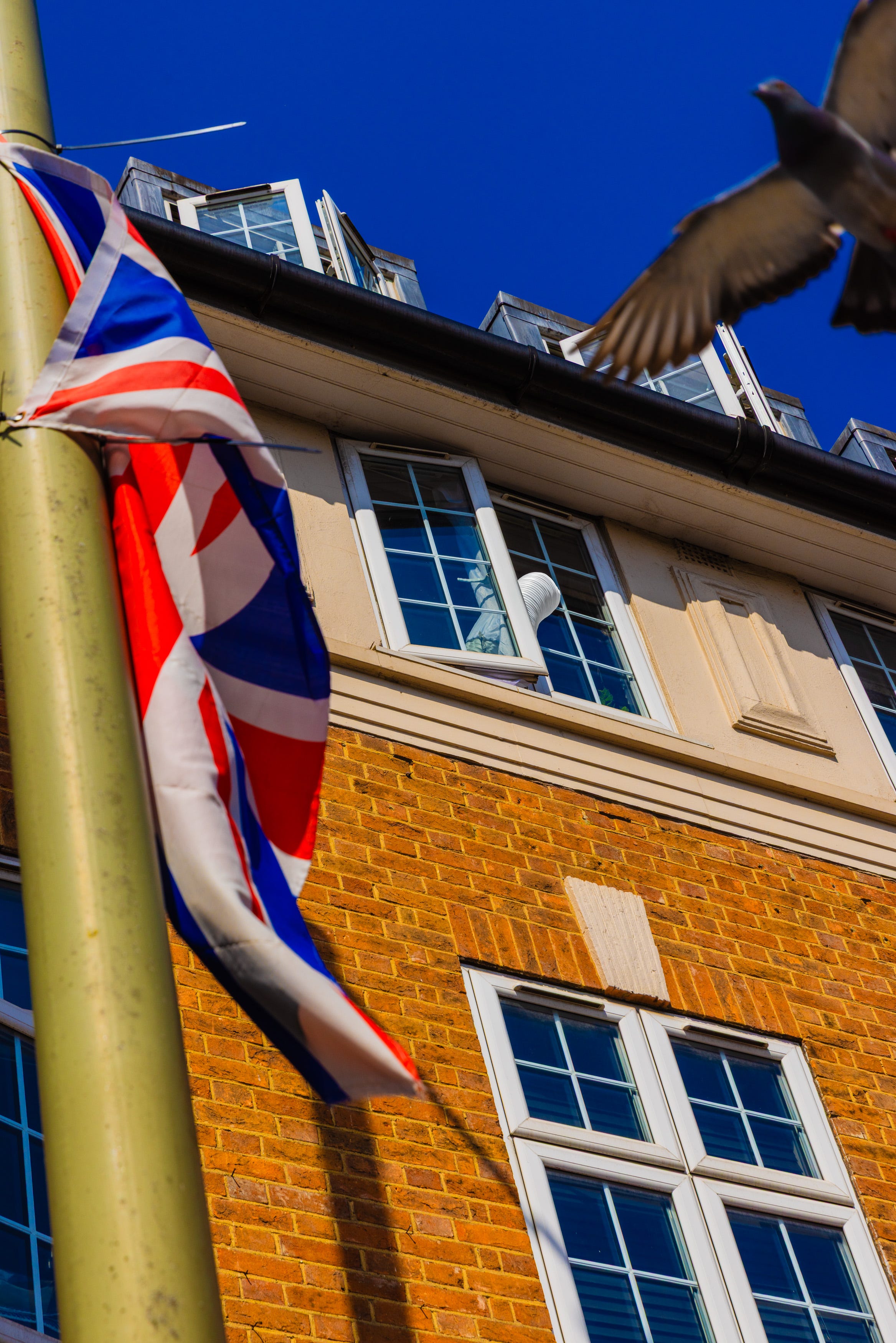
The City Hall report accepts residential air conditioning might be necessary but only as a last resort when other methods, such as increased shade and ventilation, fail. The stated concerns are a combination of technical and moral reasons. One issue is it could overwhelm the capital’s electricity network. The other is that richer Londoners might be able to afford air con but their poorer neighbours could be left unable to afford the costs.
Kentish Town City Farm has paused handling of its goats, guinea pigs, and donkeys “to allow our animals to rest.”
The farm told London Centric: “We have frozen treats for the animals, such as carrots, watermelon, apples, peas etc, frozen water bottles for the small animals.” Staff will be “hosing down” larger animals.
Similar techniques are likely to work on humans.
Deliveroo offers heat bonuses to riders
Many Londoners have been avoiding the heat by using food delivery. But what about the couriers paid to deliver those orders?
As riders are classified as self-employed and not as workers, gig economy platforms can’t control when they choose to log on, or how long they stay logged on for. Extreme heat causes a spike in demand from customers looking to stay indoors, and these platforms worry that couriers will opt not to work.
One way to ensure enough riders are available is by offering temporary pay boosts. This week Deliveroo did just that. Branded as a World Cup-style “hydration break boost,” the company sent a message to riders earlier this week promising them £2.20 extra if they completed two deliveries between 11am and 3pm on Wednesday or Thursday: “Just like players get a hydration break at 22’, riders can take a hydration break whenever they need one.”
The email informed riders that they could put this extra income towards “the cost of water, electrolytes, or a drink and snack in a comfortable place out of the heat.”
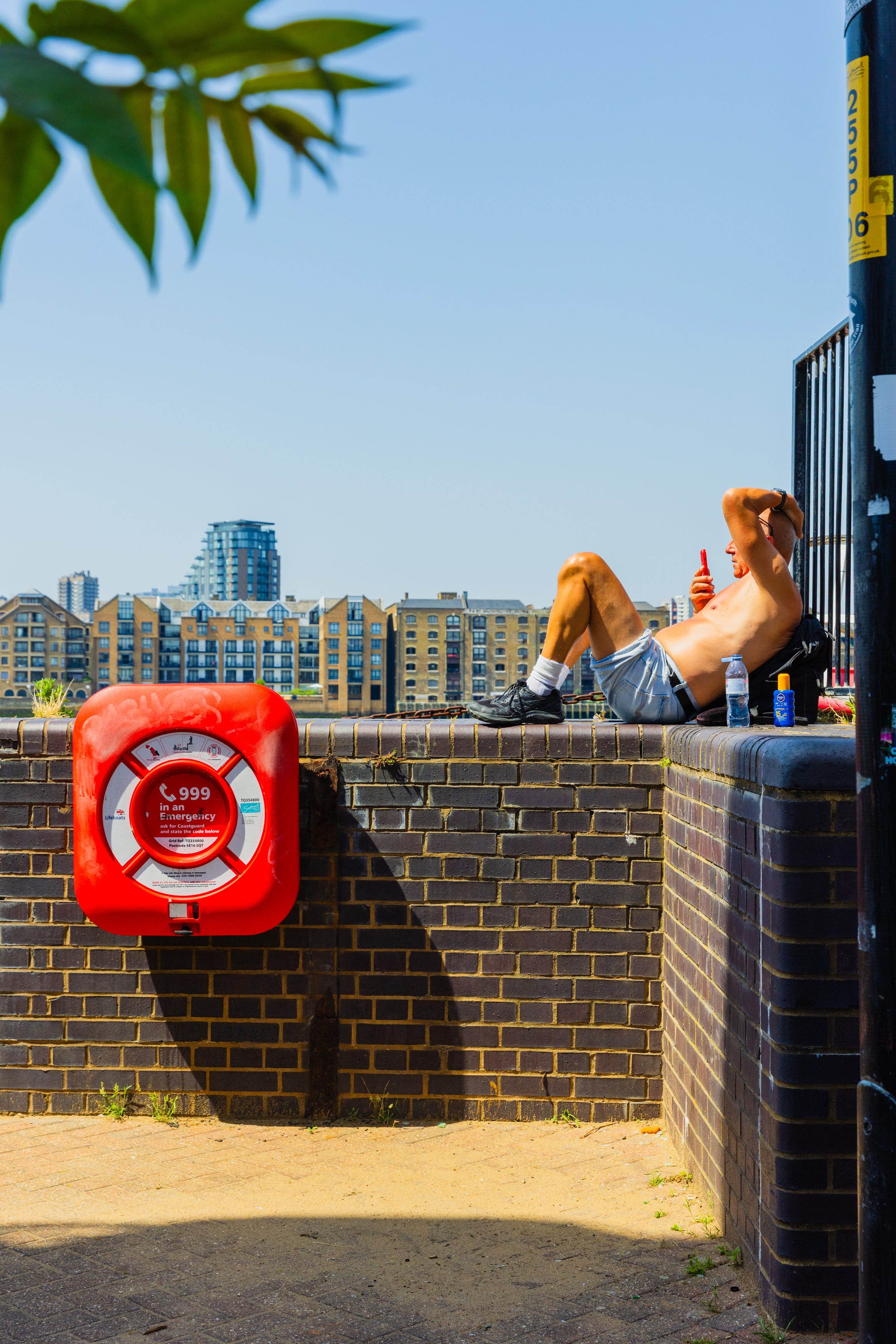
Official NHS guidelines for coping in a heatwave recommended, “If you have to go outside, stay in the shade especially between 11am and 3pm, wear sunscreen, a hat and light clothes, and avoid exercise or activity that makes you hotter.”
Deliveroo said the additional payment was not a pay incentive to encourage people to log onto the app, but instead was meant to encourage couriers to go at a “slower pace and take a hydration break between any orders they choose to accept.”
Deliveroo also stopped offering orders to riders using traditional bicycles, not e-bikes, between 11am and 3pm in areas covered by the red weather warning.
One food delivery courier told London Centric that riders would take the offer of extra pay but not slow down: “Riders will work more in a heat wave to earn more incentives. An incentive doesn’t work to make riders stop and get hydrated. Instead, they’ll think, ‘I need to work to earn.’ So they don’t stop. If there’s an order, they’ll accept it, even now it’s summer.”
A Deliveroo spokesperson said that they had temporarily reduced order distances, made sure water is readily available and that “no rider is under any obligation to go online.”
But the courier said that while they might not be under a formal obligation, if they choose not to work they’re not paid: “They don’t say ‘don’t work today, and we’ll pay you to stay at home.’ They want couriers working for them in a heat wave, or whatever the weather.”
Got a story? Tell us about it over email or WhatsApp. Our best stories come from our readers.
Exclusive: Après poo, le déluge
The new giant Tideway super sewer has dramatically reduced the amount of untreated sewage floating down the River Thames through central London over the last year.
Yet it seemed unable to cope with the giant two-hour thunderstorm in the early hours of Tuesday morning, which marked an all-too-brief respite before the heatwave really got going, leaving vast amounts of untreated human waste entering the river through overflows, just like in the bad old days.
London Centric was contacted by rowers who reported a toxic combination of extreme temperatures and floating effluent creating a stinking river earlier in the week.
What went wrong? Have we already overwhelmed the new giant pipe?
Not quite, says the company that operates the tunnel. Instead, it blamed the unpredictable side effects of climate change, where tropical-style storms can come out of nowhere.
Thames Water had scheduled maintenance on part of its sewer network this week, timed to take advantage of the hot, dry weather. This involved disconnecting overflow pipes from the Tideway and temporarily pointing them back into the River Thames.
All of this would have been totally fine… as long as it didn’t rain heavily.
At which point London was hit by a biblical downpour.
A Tideway spokesperson told London Centric:
Earlier this week, the London Tideway Tunnel was in the process of being taken offline to allow Thames Water to undertake some planned maintenance activity in the Lee Tunnel. This work was carefully scheduled with regard to weather forecasting. However, on Monday a ‘convective’ thunderstorm developed over London, and as a result, there were some discharges of storm sewage into the River Thames at CSO [combined sewer overflow] locations that had been taken offline.
They were confident the system would have coped… if it had actually been connected.
Beef(eater) dripping
While plenty of London’s offices have relaxed dress codes to stop staff sweltering, that’s not an option for those in the capital working in ceremonial garb.
While the army chose to suspend ceremonial guard changes on Tuesday, Wednesday, and Thursday of this week, the Beefeaters at the Tower of London are still being required to work in full uniform.
The Historic Royal Palaces told us that they’ve changed staff rotas for the Yeoman Warders to allow for more breaks, and that they’re wearing their summer uniforms.
Rental e-bikes are offering an alternative to getting on sweaty buses or tube trains without air conditioning. But it seems their inner tubes are struggling to cope with the heat, with vast numbers of them deflated after being left in the sun too long.
Bins out for summer
Climate change is coming for our councils, one wheelie bin at a time. As refuse collectors have no choice but to work outdoors, councils are temporarily asking residents to put their bins out earlier, so that crews can avoid the worst of the sun.
We counted Redbridge, Barking and Dagenham, Camden, Westminster, Barnet, Brent, Hounslow, and Havering as the councils that have brought collection times earlier.
But not everybody is on board with the new timetable. One refuse collector, who asked to remain anonymous, told London Centric: “This week, a lady came out of her house and said that we’d missed her bins. I kindly explained to her that because of the weather, we were working earlier so we could finish before the heat gets to its peak. She said ‘That’s a poor excuse.’”
Even with early collection times, the cab of his refuse lorry reached 39°C earlier this week: “It was cooking and because of the age of the lorries, the air-con just can’t handle it.” And whether he starts early or not, there’s the smell of rubbish in the heat to deal with. “And maggots. Lots and lots of maggots.”
London empties
People really are staying away from central London due to the heat, according to analysis of people’s mobile phone data. (Not that they’d have got a signal anyway.)
O2’s Motion division, which examines anonymised aggregate usage data, shows there was a spike in people heading into central London on Monday as they went into the office or got their shopping done before the heatwave hit.
But by Thursday morning the number of people heading into central London dropped by 13%. Numbers in the King’s Cross area were down even more, suggesting regular commuters are staying at home.

Breaking bread
If you feel hot, spare a thought for London’s bakers, toiling away next to 250°C ovens. As spots across the city struggle to keep both their staff and their dough chilled, the heatwave is creating a shortage of baked goods in the capital.
Camberwell’s Toad Bakery has reduced its hours and its menu, with fewer pastries and no bread or sandwiches for much of the week … Dusty Knuckle has changed opening hours and reduced orders … Banook Bagels, a newly opened spot in Peckham, reduced bagel quantities and stopped offering toasted bagels as the toaster “acts like a furnace next to the sandwich line”… and Hackney’s E5 Bakehouse is offering a smaller selection of bread and pastries than usual.
London’s food wholesalers are also struggling to adapt. Chocolate Trading Co, a key supplier to London’s patisseries, has paused deliveries this week to ensure chocolates are “delivered in good condition”, hitting supplies of high end chocolate pastries.
From our “London, it’s getting hotter” archives: Why London flats are really hot, Why London doesn’t have air con, the growing wildfire risk to London’s parks.
The Londoners who can’t turn off the heat
While most of us are busy lamenting the lack of air con, some of London’s residents are stuck with the heating permanently switched on.
Heat networks supply heat to flats from a central source, often a communal boiler, through pipes that carry hot water. But in many London blocks this is impossible to switch off.
A resident of the mid-century Gilesmead estate in Camberwell told London Centric that Southwark Council fitted a new heating system back in 2014.
But he said that the system installed was designed for a five-bedroom house, not a one or two-bed flat. “We have a 220 litre hot water tank in every flat. And that is kept at a temperature of about 80°C, 24/7.
“At any time, there’s about 8,000 litres of hot water in the building. And that emanates an enormous amount of heat, which needs to be there at all times, because otherwise we don’t have our water.”
His heating unit sits in a cupboard that once housed a wardrobe: “I open that door, it's hot like a sauna.”
Can it really only be 35°C?
While the weather app might be showing you 35°C, we can collectively agree that it feels much, much hotter. But is that scientifically true?
In May’s heatwave and the last time the 40°C barrier was broken in 2022 the air was dry. This time it is very moist. The more humid the weather is, the harder it is for our sweat to evaporate and cool us.
Kirsty McCabe, meteorologist at the Royal Meteorological Society and editor of MetMatters told London Centric that this means that “even if the number on the thermometer isn’t as high, it will feel much worse. Especially at night. If we can’t cool down overnight, the risk of dehydration, heatstroke and death rises, especially in the elderly and very young.”
What makes this worse is the urban heat island effect. McCabe says that “all that concrete, tarmac and brick absorb heat and only slowly release it – that’s really noticeable at night when cities can be 10 degrees warmer than the countryside.” This effect means that Londoners get little respite from the heat.
And with more industry, cars and trains adding to the heat the general busyness of the capital is to blame too. Couple that with less greenery and large buildings blocking the chance of a cool breeze giving you relief and there’s no wonder you’re hoping to work from home all week.
McCabe explained that when meteorologists talk numbers they use shade temperatures. “So we can compare like for like around the world, we take air temperature measurements in the shade. In direct sunlight those numbers can be much much higher. And even worse on an underground train without air conditioning!
“Add in moisture and it puts extra stress on your body as you can’t cool down by sweating. If the air is already saturated your sweat won’t evaporate. That will send your core temperature soaring.”
To understand how hot it’s going to feel she suggests looking at the humidity, ideally the dewpoint temperature or the wet bulb temperature. She says “These measurements give an indication of how much moisture is in the air, and can be used to calculate the heat stress – such as the one used during Wimbledon.”
But what’s the answer to a boiling, moist London? For McCabe it’s long term steps rethinking the way our homes are designed as well as adding more green spaces and shade to our streets. She also says that schools need heatwave measures in place and exams should be moved to earlier in the year.
For now she recommends keeping your curtains closed and try to limit going out at the peak of the heat during the mid to late afternoon.
Someone messaged to say they thought the headline was weird and I realised not everyone thinks in ancient political viral memes so here’s the reference: https://m.youtube.com/watch?v=79KzZ0YqLvo
Amazing photos in this article!