

The Pret cornichon crisis
Plus: Sadiq Khan vs TikTok, Whole Foods vs Queensway Market, and the curious row over a Labour mayoral candidate's purchase of an ex-council flat.


London Centric is an attempt to break news stories that others aren’t covering. Most days this involves sending reporters around the capital knocking on doors until people tell us things.
This week, for the first time, one of those door knocks resulted in a smiling elderly lady waving a (hopefully fake) vintage shotgun, warning me to behave myself, before inviting me in for a cup of tea and telling me her life story. London truly is a city where you’re always rewarded for persevering with people.
Today, we’ve got stories on Pret A Manger’s pickle crisis, an investigation into a confusing property transaction involving the Labour candidate for mayor of Newham, a leaked report on a councillor who breached rules by parking his Lamborghini in a disabled spot, how Amazon’s Whole Foods is behind the eviction of dozens of independent traders in Westminster, and why Sadiq Khan is reading out chunks of London Centric’s reporting at a Cambridge college.
Any of these could have been this edition’s top story. Some of them are more important to the functioning of a democratic society than others. But there’s only one place to start...
Pret’s in a little pickle
We received a tip from a member of the public that a crisis is brewing in London commuter sandwich favourite Pret A Manger. Their buttery ham and pickle sandwich – or, to adopt its official name, the Jambon Beurre – has vanished from chilled cabinets across the city.
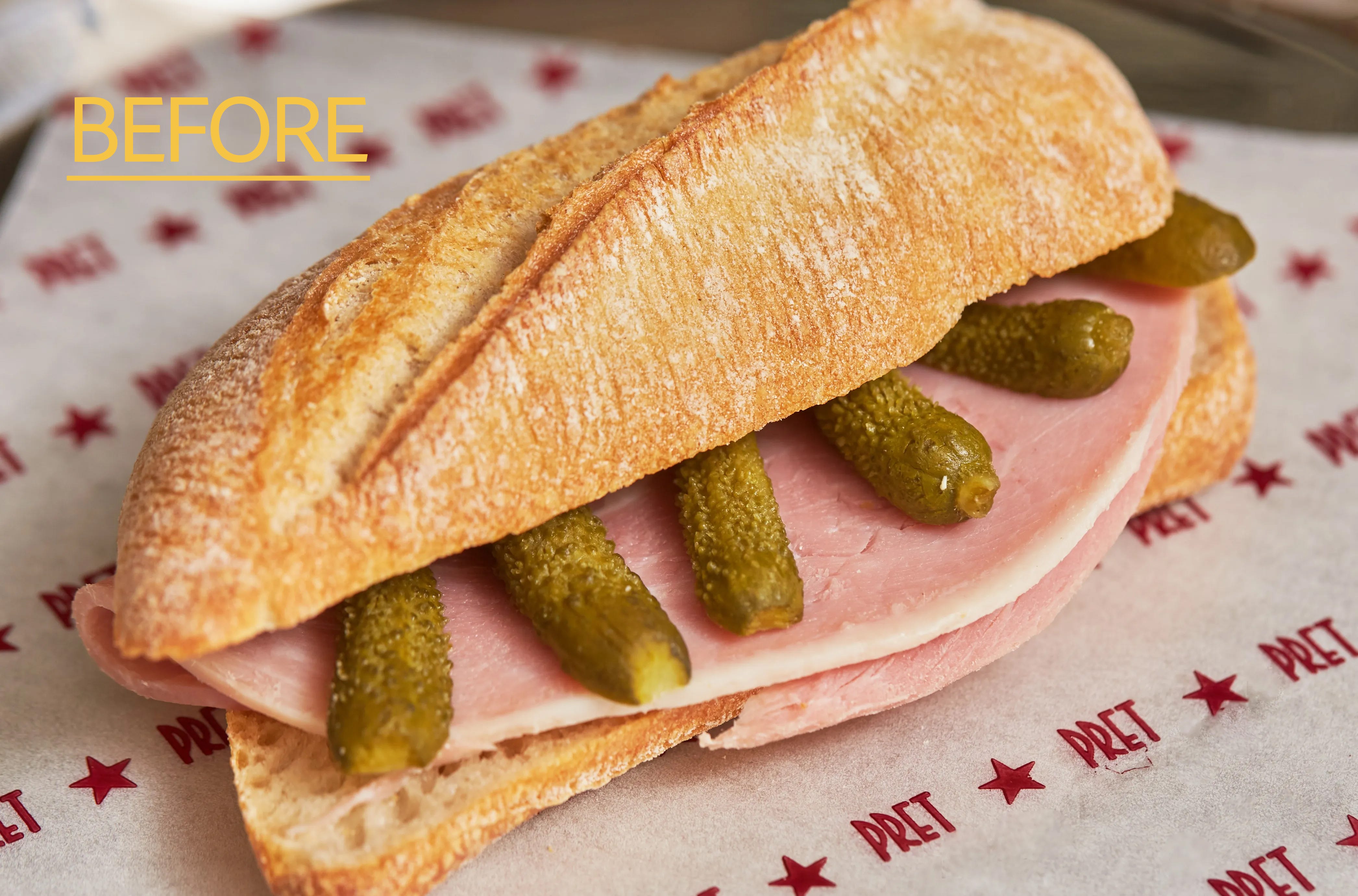
After visiting eleven of their branches across London, we were met with apologies and various bizarre excuses.
Now, we’ve been able to get the truth: a previously unreported pickle shortage has hit the capital’s leading sandwich chain.

A Pret spokesperson confirmed to London Centric that they’d had to stop producing the sandwich until further notice due to the ongoing supply issue: “Customers may have noticed that our Jambon Beurre is currently missing from shelves. This is due to a temporary shortage of cornichons. We’re sorry for any disappointment caused and are working hard to get this Pret favourite back in shops as soon as possible.”
Pret did not elaborate any further on what has caused this ongoing crisis. If any readers in the pickled vegetable industry have any insight, get in touch. In the name of campaigning journalism, we’ll stay on the case.
Whole Foods gobbles up Queensway Market
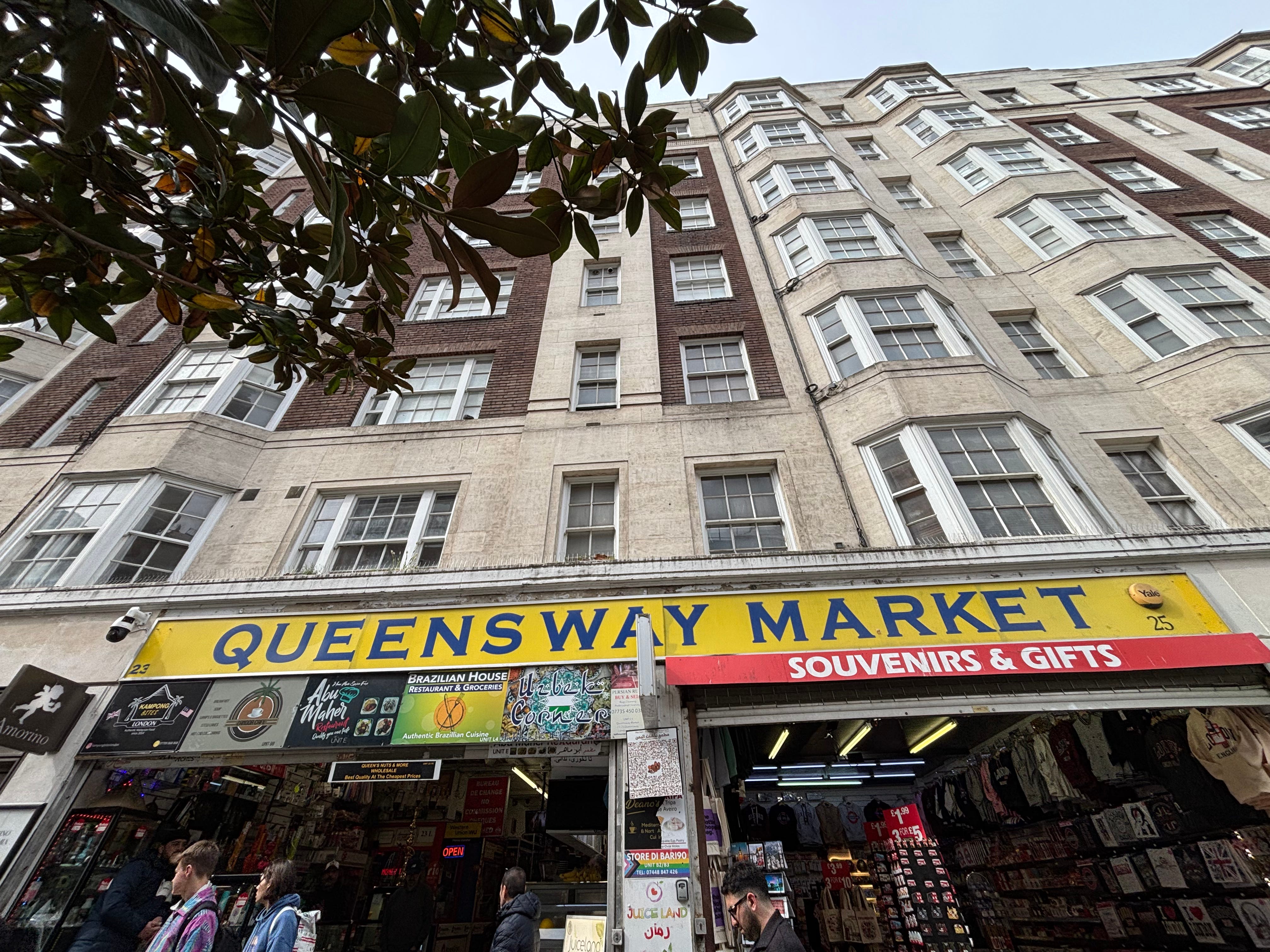
Traders in west London’s Queensway Market, next to Bayswater tube station on the northern edge of Hyde Park, learned in recent weeks that they are being evicted to make way for a new branch of Whole Foods.
The sprawling market consists of small stalls inside a large unit on the ground floor of a 1930s residential block. Walk around its narrow corridors, and you’ll find Uzbek, Brazilian, and Russian cuisine, iPhone fixers, barber shops, palm readers, as well as the critic-favourite Malaysian restaurant Normah’s.
The building was bought in 2007 by a company controlled by property investor Bourne Capital for £38m. A planning application was made by the landlord to Westminster council in July 2025 to remove planning restrictions so that a large new branch of Whole Foods could replace the existing collection of small units.
The independent traders were only made aware that they were being evicted in recent weeks, giving them four weeks to find new locations, prompting them to launch a petition to save their businesses.
Even though the planning documents have been public for anyone to read for almost a year, none of the shop owners were made aware of the proposals. The decline of local journalism in the capital also means that no journalist appears to have read the planning register and noticed this was going on until, like many other outlets, London Centric was alerted to it by an online petition this week.
Queensway Market is the latest in a string of evictions hitting London’s independent and often immigrant-run indoor markets hard, with traders at Brixton Plaza, Dalston’s Ridley Road, and Elephant and Castle battling to keep operating.
Mohamed Sultan, 58, has run a fresh juice stall in the market for 17 years: “I built this business from nothing. But small businesses are always vulnerable when rich companies come.”
He gestured at the rest of the street, lined with coffee shops and restaurants: “They don’t want something like this in the area. Money always speaks first.”
Vito De Barra, 35, who has run a shop catering to the LGBT community for seven years, said: “This is not my shop. This is my home. I love London for giving me the opportunity to open my shop. But I don’t have money to open another shop. I’d need about £80,000.”
He said: “I am gay. It’s difficult to open a sex shop. I had to do a lot of work on Instagram. Look at my face? Stress. You have a sex shop in Oxford Street. But that’s for men. Not a sex shop for women, lady boy. This is for all people, women, beautiful women and ladies. I am so sad.”
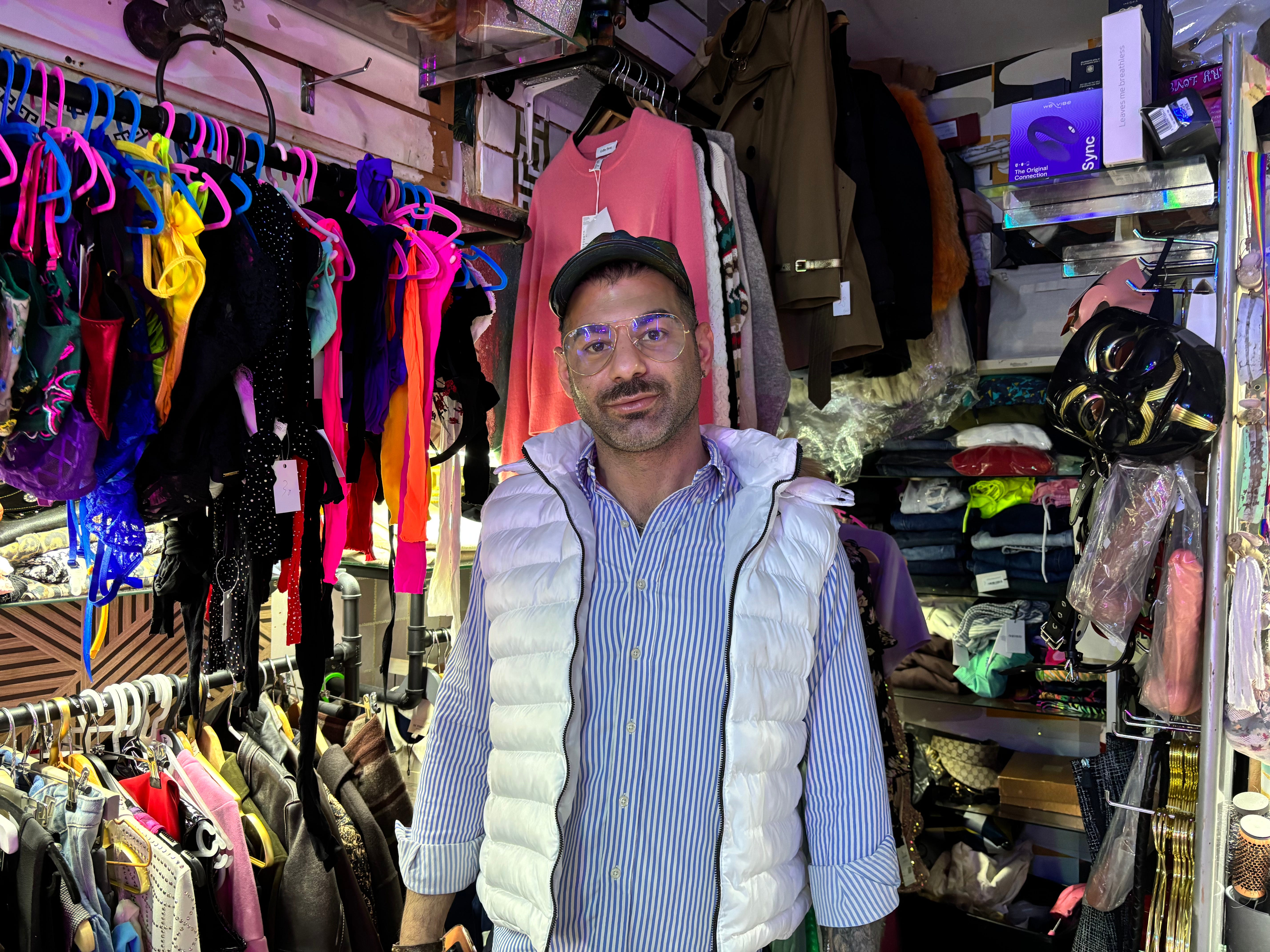
Jassar Mohamed, who manages the day-to-day running of the market, said that some of the traders were now trying to negotiate a longer notice period. “We are like a family, a community. I see the traders more than my son, or my mum and my dad. We’ve been here twenty years.”
A spokesperson for Whole Foods said: “We can confirm we have signed a lease as a tenant with Bourne Capital, but we don’t have any additional updates at this time.”
Traders at Brixton Plaza, a similar development that has previously appeared in London Centric, this week stopped a similar eviction with a high court injunction against offshore landlord Governside, who wanted to replace their units with a branch of Aldi. Their legal team at Leigh Day argued that rather than being temporary “at will” tenants, the stallholders were effectively operating under full commercial leases and could not be easily evicted at short notice.
Can’t park there, mate

A Labour councillor in Hounslow criticised for parking his Lamborghini in a disabled parking bay has been selected to stand again despite being found in breach of the council’s code of conduct.
An investigation was launched into Farhaan Rehman after the council received complaints over his conduct on four counts. Rehman was found to have breached the code for parking in a disabled bay, as well as for failing to declare his interest in three companies. He was cleared on two other matters.
The council did not intend to publish a copy of the internal report but we’ve seen it anyway. A spokesperson for Hounslow Council said they would not normally make the findings of such an investigation public in situations “where the monitoring officer has concluded that there has been no breach, that no further action is needed, or the matter has been resolved in some other way”.
This means voters would be going into next month’s election, where Rehman is standing again, without knowing the outcome.
The report acknowledged that Rehman had already resigned from his role as chair of the licensing committee and made a £160 donation to charity following previous publicity about parking the luxury car in a disabled parking bay.
Rehman was cleared on another parking allegation, for which the officer failed to find sufficient evidence. The officer also cleared him over the failure to declare his interest regarding a trip to Pakistan with real estate company Adam Mercer Group, given that no personal financial interest could be found.
Rehman told London Centric: “The matters you have raised are not new and were widely reported on in November. The report you are quoting from acknowledges that I have already accepted the breaches and sought to remedy them. You will know that there is nothing unknown in the public domain here.”
It’s just the latest in a series of scandals that have hit Hounslow’s Labour Party recently, amid disputed selection procedures. Last year, Labour councillor Hina Mir was fined over £43,000 for employing an illegal worker as a nanny in her home. Mir, a qualified solicitor, was also caught parking in a disabled parking bay without a blue badge.
The mayor takes on “London has fallen” viral videos
Sadiq Khan gave a speech at King's College, Cambridge on Thursday night about the challenge posed to the capital by negative online viral videos, saying there is “a growing gap between the reality of life in London and how our city is being portrayed online”.
The mayor started by telling the audience about London Centric’s investigation into the TikToker who was secretly filming fake anti-immigrant content inside Londoners’ homes. He held it up as an example of the falsehoods that proliferate online about the capital city – and how it’s left to journalists and researchers to pick up the pieces.
Even with the setback of globally viral footage of teenagers running through Clapham, Khan has decided to make taking on the tech platforms one of his priorities this year.
As London Centric sees it, there are three different issues at play here, some of which overlap:
Coordinated disinformation campaigns spread by organised groups, such as foreign states or extremist groups, conducted for ideological reasons.
Real footage of genuine disorder and theft in London. Sometimes this gets more attention than it deserves and sometimes it highlights real problems and shames the authorities into action.
Bad faith or fake videos made by individuals responding to the financial incentives of video platforms, who know that talking London down is a fast way to increase view counts and up ad revenue.
Khan seems to be using old-fashioned politics to fight this very modern challenge to the economic health of the capital: putting public pressure on institutions and media companies and asking them to explain themselves. He’s already got the Foreign Office and UK ambassadors on board as officials fret about the economic damage caused by viral videos shaping perceptions of the capital around the world.
The real question is how much of the “London has fallen” content can be solved by changes from the viral video platforms – or whether action to reduce petty theft and disorder, cutting off the raw source of some of the material, is the real solution.
The Easter holiday “link-ups” have continued, with teenagers filming themselves running around screaming in public places, giving the impression of wild disorder. But while the content may look chaotic and threatening, how many serious criminal offences are actually being committed? We checked back in with the Met.
Despite the footage of two nights of disorder in Clapham going around the world, only seven people have been arrested. After the first night, a 17-year-old boy was arrested on suspicion of causing a public nuisance, while three girls – two aged 16 and one 15-year-old – were arrested on suspicion of theft and assault.
After the second night of chaos, three girls – two aged 13, and one 17-year-old – were arrested on suspicion of assaulting emergency workers.
Why this ex-council flat is shaping the mayoral election in Newham
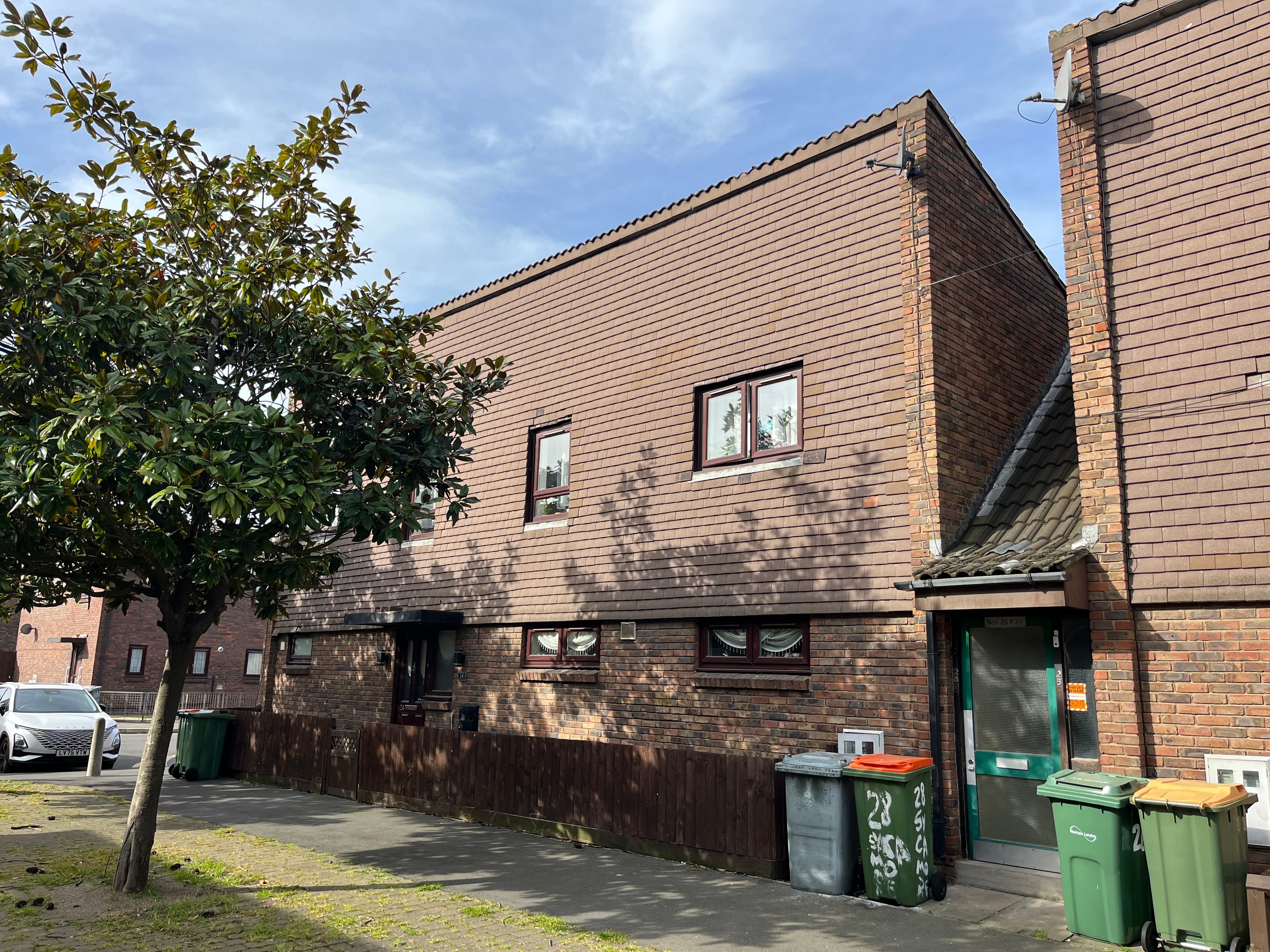
On a small housing estate in east London is an ex-council flat that could shape next month’s local election in Newham.
That’s because the flat’s previous owner was Forhad Hussain, Labour’s candidate to be mayor of the borough. He purchased the property in 2016 with financial help from the same council he was then helping to lead.
Now, a knotty series of questions over that property transaction, which saw a council-owned property taken out of public ownership by the future Labour candidate, have become a live political issue. The messy row, which Labour says is libellous misinformation, could decide whether Labour can retain control of a borough in the face of challenges from both a local pro-Gaza independent group and the Greens.
After two weeks of looking into it, these are the facts that London Centric has been able to establish around this very confused story.
Back in 2016, Hussain was one of the first people approved to buy an empty Newham council house through the council’s in-house ‘NewShare’ scheme. This was a form of shared ownership which saw Newham council help with the cost of a deposit in order to enable local people to take out a mortgage and become homeowners.
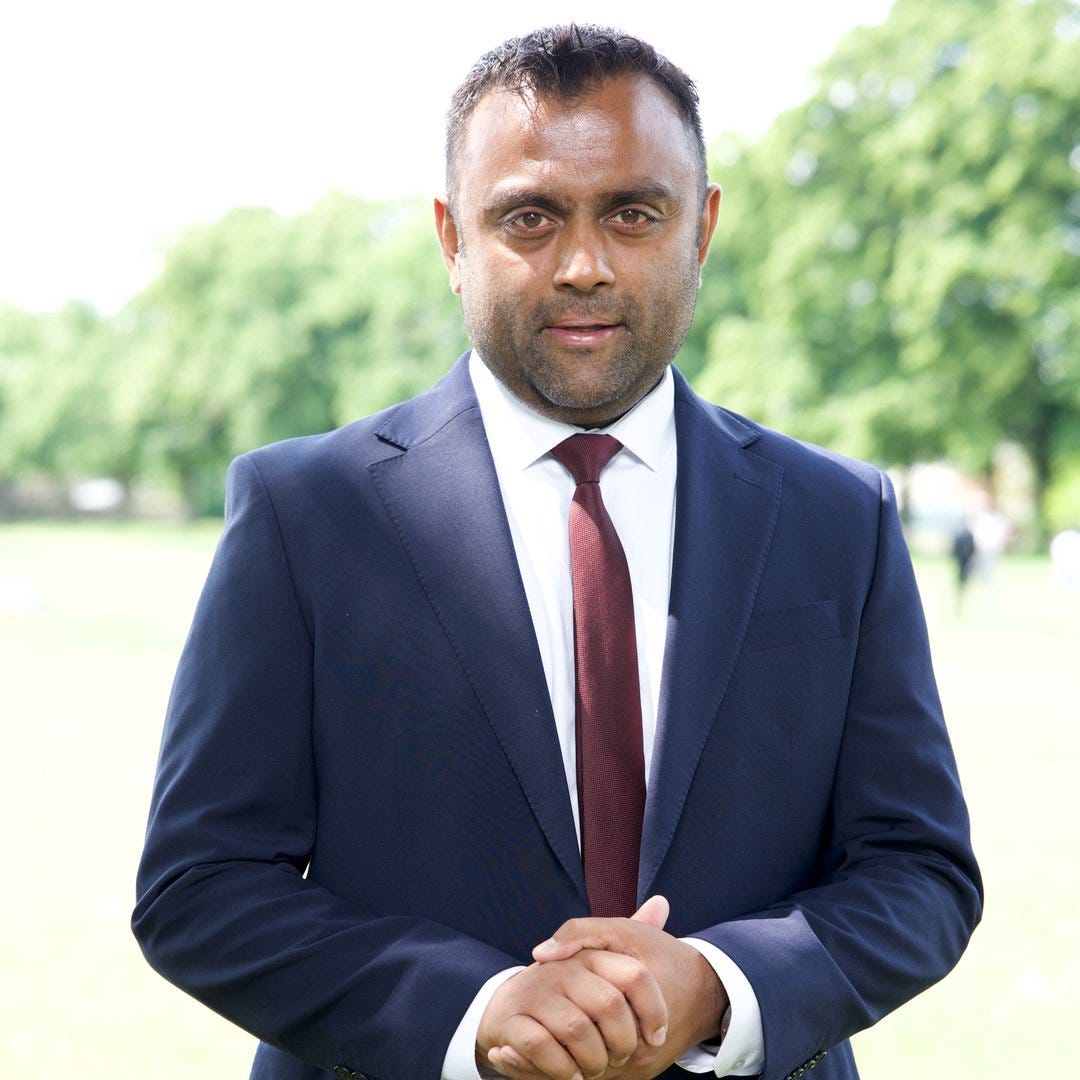
According to contemporary council documents, the NewShare scheme was meant to prioritise “lower income residents” buying their first home who “cannot afford a large deposit or the costs of buying a home on the open market”.
Newham stated the priority for the scheme would be given to people “already on our waiting list for a council home”, “renting from a social housing provider”, or “a member of the armed forces”.
The key condition of NewShare was that any council housing being sold off had to be both empty and priced at the full market rate. This is different to the nationwide Right to Buy scheme, which enables council tenants to buy their own rental properties at a discount.
It’s unclear how Hussain was selected as one of the first successful applicants for the NewShare deposit scheme. It certainly raised eyebrows at the time that a very senior councillor was one of the early beneficiaries of the scheme, although there was nothing explicitly banning senior councillors from using it.
This might have been the end of the story.
But there is a curious detail that London Centric has been looking into over the last fortnight.
The lease on the council flat that was sold to Hussain by his own council wasn’t issued in the same manner as some other council properties offloaded in the NewShare scheme.
Instead, records filed at the Land Registry show that the property appears to have been sold by the council through a legal process normally used for Right to Buy transactions.
This is unusual. It also means the sum Hussain paid his own council to buy the publicly-owned flat in 2016 was never made public at the Land Registry.
This matters because after living there for three years he sold the flat he bought with council assistance for £255,000. Although there’s no way to know if he made a profit on the deal, both transactions occurred during a time of still-rising property prices and he would be unlucky to have been left out of pocket.
Labour, for its part, told us that the “matter was investigated, and no further action was taken”. They wouldn’t clarify who investigated and when.
On Thursday, things got even messier. While we were writing this story, elements of it were passed to the website Novara Media, complete with a quote from the local Green party. Novara published an article on some aspects of Hussain’s property transactions and made a series of definitive statements about what Labour’s mayoral candidate had supposedly done, some of which we do not believe to be accurate based on our reporting.
Within hours, Novara Media wiped its story from the internet following a legal threat from Labour which described the report as “categorically untrue, baseless and libellous smears from the Greens”.
Labour has cited the story’s deletion as evidence that there is nothing to see here: “The 2016 property was a shared ownership purchase, not Right to Buy, with full transparency… This is gutter politics at its worst – deliberate misinformation to damage a local candidate. The Greens should withdraw these claims and apologise immediately. We are exploring legal options to put an end to this outright disinformation.”
London Centric has no interest in pursuing a party political agenda. This story is not making any definitive claims. It is not based on statements by the Greens.
Instead, we have repeatedly asked a simple question of Labour and Forhad Hussain based on our reading of publicly-accessible legal documents: If it’s true that you didn’t buy the council flat through Right to Buy, will you be urgently asking Newham council to investigate why it appears to have wrongly issued you a lease using its Right to Buy powers?
It is entirely possible there is a straightforward explanation for this. But Labour has yet to reply.
If the council did make a major legal mistake on the paperwork selling a council property to a serving councillor, how come Hussain’s solicitor didn’t spot it during the purchase?
When London Centric visited the flat earlier this week, we talked to neighbours who recalled Hussain living in the flat, talked of him with affection, and said they intended to vote for him. But they were also interested to discuss the circumstances in which he’d ended up owning the property and what it says about an area of the city with an acute housing crisis.
We’ll let you know if Hussain can provide any further clarification on his past purchase of a council house from the council he hopes to run.
London Centric has got lots of original stories coming next week. Thanks to all the paying subscribers who make it possible. You can get in touch with us here if there’s something you think we should be looking into.
PS… A couple of years ago London Centric subscriber Alex Wilson told us that one of the cheapest and most pleasant co-working spaces in London, with a ready supply of coffee and strong WiFi, is the Oval cricket ground on a match day. We took this to heart, extolling the potential of “work from cricket” when we were interviewed about London Centric on Surrey’s YouTube livestream last summer. The powers that be at the Oval seem to have been listening and this week announced a marketing promotion to get homeworkers to the ground on quiet days over the summer months. Just please don’t take our spot.
The amount of dodgy dealings going on in local authorities is insane. Thank god we have London Centric reporting on cases like this. The tragedy though is that this sort of journalism is so absent from the vast majority of the country. The government needs to establish some sort of local journalism endowment fund, managed by an independent board of trustees, to fund local journalism across the country in perpetuity. Locals would then have a better chance of holding corrupt politicians to account.
I lived in Bayswater for nigh on 40 years and Queensway Market gradually became a favourite place to explore for me. I have had haircuts from Belarusian barbers, Malaysian too, had my watch batteries changed cheaply and swiftly by the old Greek guy in his cluttered corner stall, made sundry food and sex aid purchases at the extraordinary range of outlets, had a reading done on the Street of Prediction, heard more languages spoken than anywhere nearby. Not to mention Taza, the terrific kebab stall on the street outside.Now Wholefoods will destroy a vibrant and unique part of what made Queensway so alluring and louche. Good luck with retaining any street credentials.