

What actually happened in Clapham last week?
Teenagers running riot in an M&S food hall, disorder as a form of content creation, and a global focus on 'petty' crime in London just when the mayor least wants it.


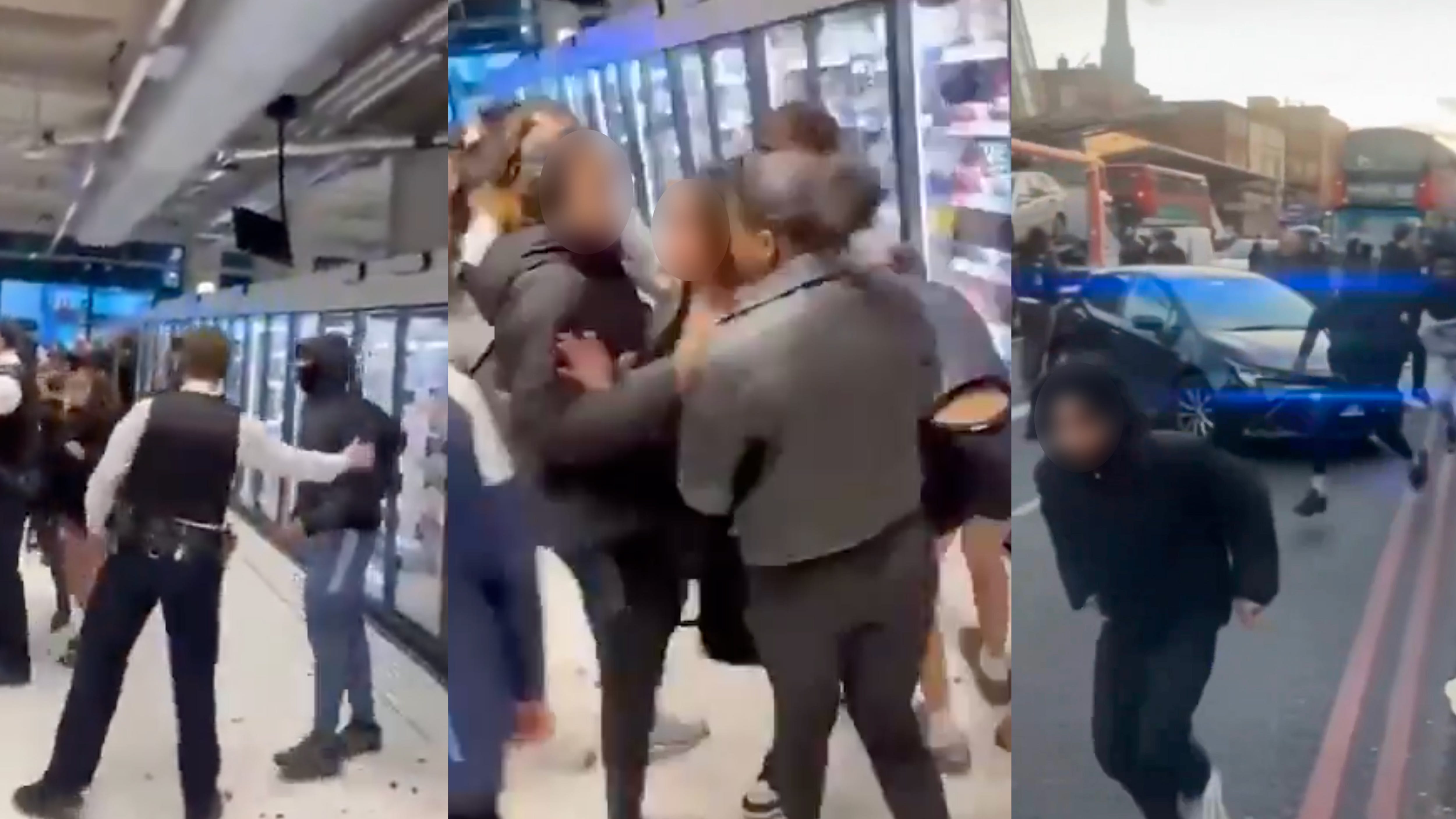
Sadiq Khan began the week telling British ambassadors to go out and debunk viral videos that portrayed London as being in the midst of a chaotic crime wave. He ended it by announcing police crackdowns in a bid to limit the global impact of viral footage showing children rampaging through the Clapham branch of Marks & Spencer.
The young teenagers who filmed themselves running through shops on Clapham High Street over two nights last week have unwittingly created one of London’s most potent political talking points of the year. The events have filled social video feeds, hit the homepages of major news outlets, and attracted tens of millions of views just ahead of May’s local elections. By Friday afternoon one chicken shop owner in Clapham had spoken to 12 different journalists, with French and German media outlets among those arriving to cover the topic. The Clapham chaos has become a truly global story, shaping how the world sees London.
But what really happened last Saturday and Tuesday in Clapham High Street? How much damage was actually done? And why have these particular videos taken hold in a way that others haven’t?
London Centric spent this week in south-west London talking to local teenagers, shop staff and restaurant owners. What we found was a perfect storm of retailers fed up with police inaction on so-called ‘low-level’ crimes such as shoplifting, bored teenagers blurring the lines between filming crimes and participating in them, and viral videos spreading awareness of what people can get away with in the face of security guards trained not to confront teenagers.
The Clapham disorder wasn’t the most serious incident to have been filmed happening in London this week, let alone this year. But it has become symbolic of a wider sense that, while London’s authorities may have brought the murder rate down, they’ve taken their eyes off day-to-day crime.
The incident has also left Khan facing personal criticism from the bosses of Marks & Spencer, who singled out the mayor and the Met Police for failing to back retail workers on shoplifting.
“I keep hearing crime is falling, especially in London - something none of us believe and very few people working in retail would see,” said M&S’s retail chief Thinus Keeve on Thursday.
Crucially, what happened last week was a very different beast to the pan-London riots and looting of 2011 that affected nearby streets, which caused millions of pounds in damage and leaving buildings burned to the ground. While a small number of teenagers have been arrested this week, with the Met promising more arrests coming, the main theft seems to have been of small food items rather than the electrical goods or expensive trainers that looters made off with fifteen years ago..
Instead, there seemed to be a new purpose – filming yourself engaging in a public display of disorder, to be uploaded to the internet in real time. The footage is no longer just the record of the behaviour, but the point of it. Rather than damaging property and stealing goods, the lasting damage seems to have been to trust in the Met’s ability to keep order.
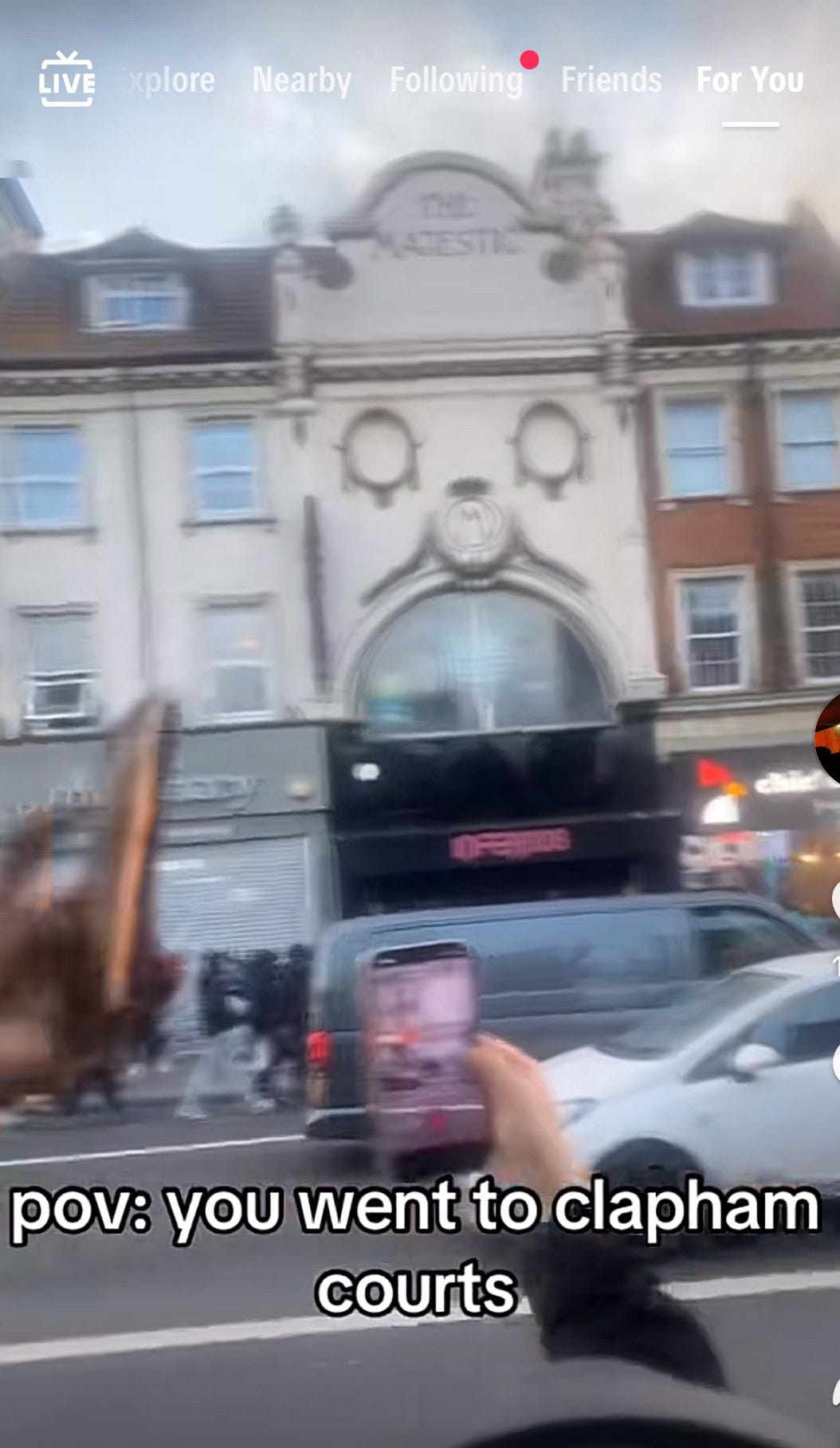
“They’re trying to make a statement that they can do whatever they want,” said one 15-year-old we talked to at one of Clapham Common’s basketball courts, reflecting on the events of last week.
What follows is the story of what really happened in Clapham last week – including the motives of the young people involved, the rapid politicisation of the events, and why local teens are baffled that the media keeps calling these gatherings “steaming”.
Keep reading with a 7-day free trial
Subscribe to London Centric to keep reading this post and get 7 days of free access to the full post archives.