

On the trail of a London gift shop owner
Plus: The politics of "vertical drinking" • Robocop comes to Greggs • Robotaxis sort-of come to London • London's park festivals are in a mess


This week Andy Burnham will be talking about the plague of dodgy shops on high streets. London Centric has spent almost two years reporting on this trend across the capital. We’ve repeatedly set out how they operate, taken MPs on walking tours of the capital’s more dubious retail enterprises, and proposed solutions to politicians.
Our reporting, funded by our paying subscribers, has been praised by Treasury ministers and led to raids on central London’s Harry Potter shops. We’ve previously shown how high street businesses can unilaterally opt out of paying taxes, confident in the knowledge they are unlikely to face any effective punishment. This, in turn, means they can afford to pay higher rents than legitimate businesses.
Ultimately this leads to an endless downward cycle, as tax-evading shops crowd out legitimate enterprises.
Today, in collaboration with the Edinburgh Minute, we’ve been trying to track down a Londoner who was operating a series of gift shops in one of Scotland’s most prominent buildings when it burned down last month. In the process we uncovered her connection to a Leicester Square gift shop, rented from the same landlord, which went bust and left a London council out of pocket.
Scroll down to read that, or first enjoy the rest of today’s edition.
The “vertical drinking” vanguard
Westminster Council has found itself at the centre of a national row over its draft alcohol licensing policy.
What happened? On Thursday, the Guardian picked up on lines in a technical policy document that suggested the central London council would put limits on “vertical drinking” in Soho, suggesting there could be a future ban on people standing up for a pint.
London mayor Sadiq Khan quickly weighed in, tweeting that “you can’t run a world-famous nightlife district with a village-hall mindset.” Before long, Downing Street also piped up, with the prime minister’s spokesperson saying that “busy pubs full of people talking to each other” is just “British life.”
Westminster Council hit back, issuing a ‘mythbuster’ press response. Tim Barnes, Conservative council deputy leader, said the Guardian story was “utterly ludicrous” and it is a “wilful misreading of the policy proposals” to suggest there was any plan to ban people standing up in Soho pubs. The guidance, he said, was not new and in any case is aimed at new openings, not existing pubs.
Probably the most telling part of the whole debate is not whether the impact of a technical document has been overstated. It’s that Sadiq Khan and Downing Street have been delighted to have a very public fight over the story, signalling their support for more drinking in Soho and a more permissive approach to the hospitality trade.
Very soon, Khan will gain the power to overrule London’s local councils on licensing decisions as part of a two-year pilot scheme. He has a big incentive to show that he’s willing to use these powers. Picking battles with the Conservative-run Westminster council on specific issues would be a good way to flex them.
As the mayor indicated in his statement, the direction of travel is clear: “London's hospitality and nightlife support jobs, culture and growth. New powers for City Hall will help ensure decisions consider the wider benefits for our city.”
In Gunnersbury Park, nothing changes…
A vote on whether or not to grant blanket five-year planning permission for festivals in west London’s Gunnersbury Park was deferred on Thursday, following an almost four-hour debate by Hounslow Council. This summer’s planned series of gigs by the likes of Lenny Kravitz and Jimmy Eat World has already been cancelled.
Gunnersbury Estate CIC put in an application to run up to 22 live event days a year – 115 days total once you include build-up and breakdown – across the park. The debate is all part of the legacy of the battle over south London’s Brockwell Park, as a result of the legal precedent set by last year’s legal challenge to events there.
We’ll be keeping a close eye on what Hounslow Council decides. Reform councillor Adrian Page questioned what “cultural benefit” a festival held by private members’ club Soho House “had to the residents of Hounslow, being that most of us aren’t members of Soho House.”
In the meantime, London Centric is looking into the state of London’s park festivals and whether the biggest threat to London’s day festivals is locals objecting to planning permission — or increasingly apathetic music fans put off by the cost.
Do you have intel on ticket sales for the capital’s festivals? Are you involved in the capital’s live music industry? We’d love to talk, please get in touch by email or WhatsApp.
Remember our piece where we spent a day watching prolific shoplifters in the Brixton branch of Greggs? One London Centric reader sent in this picture from the same branch, where a remotely monitored security pod is now guarding the sandwich fridge.
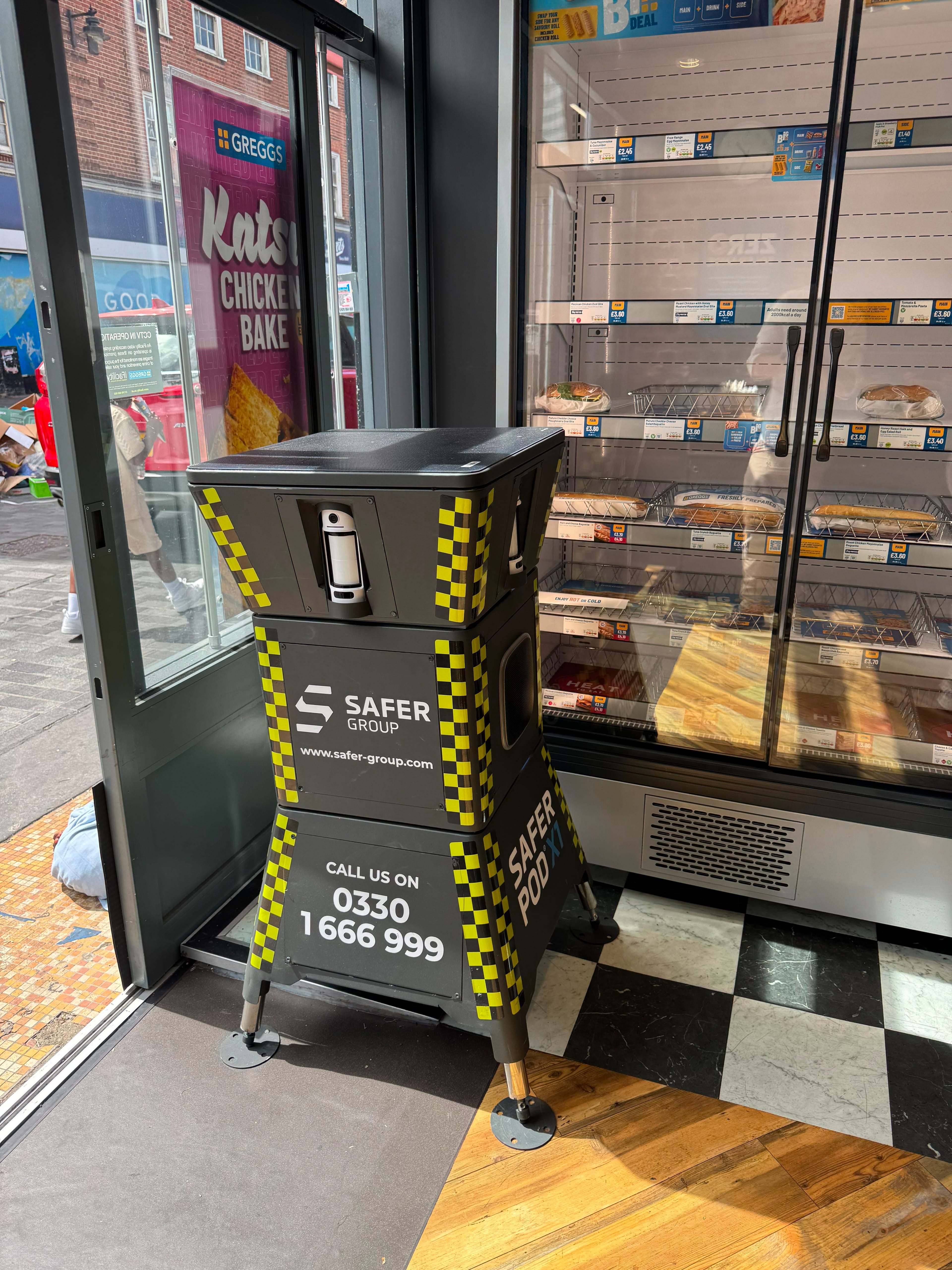
Its introduction comes as the Met police’s new shoplifting reporting mechanism is expanded to cover more of London. It’s designed to streamline the process of high street shops sending CCTV and evidence directly to the authorities.
What will local newsrooms look like in the future? That’s a question we tried to answer on last week’s episode of the BBC’s Media Show. The whole thing is worth a listen but if you just want to hear our thoughts on the changing news landscape, as well as speculation about how many reporters can fit round a kitchen table, aka the very glamorous London Centric office, listen from 27 minutes.
Wayve hello, say “private hire”
You might have seen the news that self-driving car operator Wayve has won a minicab licence from Transport for London and will offer self-driving taxi rides to customers “later this summer”.
(For those struggling to keep up… Wayve is a British company which has partnered with Uber in London. It is competing with both Google-owned Waymo and Chinese firm Baidu’s Apollo Go. All three companies want to be the first to roll out self-driving robotaxis to paying customers on central London’s narrow roads this year.)
So what’s really going on?
Given that a big part of this competition is about winning the PR battle, it’s important to unpick what TfL has actually granted Wayve here.
Wayve now has permission to operate its cars on the condition that a human is in the driver’s seat during all trips. This human will be legally responsible for the vehicle, even if it is in self-driving mode. By placing the legal burden on the driver and gaining a private hire vehicle licence from TfL for 15 of its vehicles, Wayve can launch earlier than its rivals using the existing rules that govern all minicabs. The company is understandably keen to chalk this up as a victory in the step-by-step battle to carve out control of the market.
But rival Waymo has cried foul. It is still waiting for full approval from both TfL and the Department for Transport under the specific legislation governing self-driving vehicles. Waymo told London Centric that it won’t be applying for a private hire vehicle licence as a stopgap and “intends to welcome public riders into our service with nobody behind the wheel”.
Londoners, get ready to hear about plenty of self-driving “firsts”.
Get in touch if you’ve got a story you’d like us to look into. Send a WhatsApp or send an email. No tip is too small.
“Fundamentally unfair”: On the trail of a London gift shop owner with a curious Edinburgh connection
Our award-winning investigation into London’s dodgy gift shops began with an attempt in December 2024 to find the owner of the knock-off Harry Potter shop near Leicester Square. It’s now become a global investigation trying to trace millions of pounds lost to flagrant tax evasion by retailers operating in plain sight in the heart of London.
What starts in London is felt around the world. So far it’s taken us to India, Dubai, and Oxford. And now Scotland is getting in on the act.

If you visit Edinburgh this summer you will find the centre of the Scottish capital has been brought to a standstill, with no trams running and the main shopping street by Waverley railway station cordoned off.
That’s because of a fire that swept through a historic building on Princes Street while it was awaiting development. The former Debenhams, owned by London landlord Criterion Capital, burned down last month. It had been due to be converted into one of Criterion’s windowless Zedwell hotels. Police and firefighters are continuing to investigate the cause of the fire, which gutted a historic building on the Scottish equivalent of London’s Oxford Street that may now have to be demolished.

Prior to the fire, London Centric and the Edinburgh Minute had already revealed how this building was being occupied by a series of tax-evading gift shops run by a rotating cast of Londoners living in squalid shared accommodation, from Hoxton to Uxbridge.
We showed the businesses genuinely did sell a substantial amount of real souvenirs. They just didn’t pay their taxes.
Every few months a new company would pop up and the shop would “phoenix” overnight to a new legal owner, while looking largely identical to the passer-by.
We now know, thanks to the Herald’s Josh Pizzuto-Pomaco, that our reporting may have encouraged the Scottish authorities to raid the Edinburgh building earlier this summer, just before it burned down.
One detail caught our eye about the raids. After spending years staring at the web of business owners involved in the gift shop networks, we spotted a clear London connection.

The raided Edinburgh gift shops were run by a company called Bwn Beverage Ltd. This firm is legally controlled by a 28-year-old Bangladeshi national from Wood Green in north London called Rumi Chowdhury.
We checked our records of dubious shop operators and found that Chowdhury had a history in the London gift shop trade, as she also runs a company called Fort Traders Ltd. It operated a prominent gift shop in Leicester Square next to the Empire Cinema, until it was wound up by the high court this summer for failing to pay its taxes to Westminster Council.
In both London and Edinburgh, Chowdhury’s gift shops rented units from landlord Criterion Capital.
How had Chowdhury ended up in the retail trade and where did she find the money to rent all these gift shop units? Did this young Londoner notice anything notable about the state of the Edinburgh building prior to the fire? How did someone with no clear business record repeatedly secure leases on some of the UK’s most prominent retail units? And why does she keep failing to pay her taxes?
We got on our bike and travelled around London to ask her.
Step one: the house in Wood Green that Chowdhury gave as her personal address.
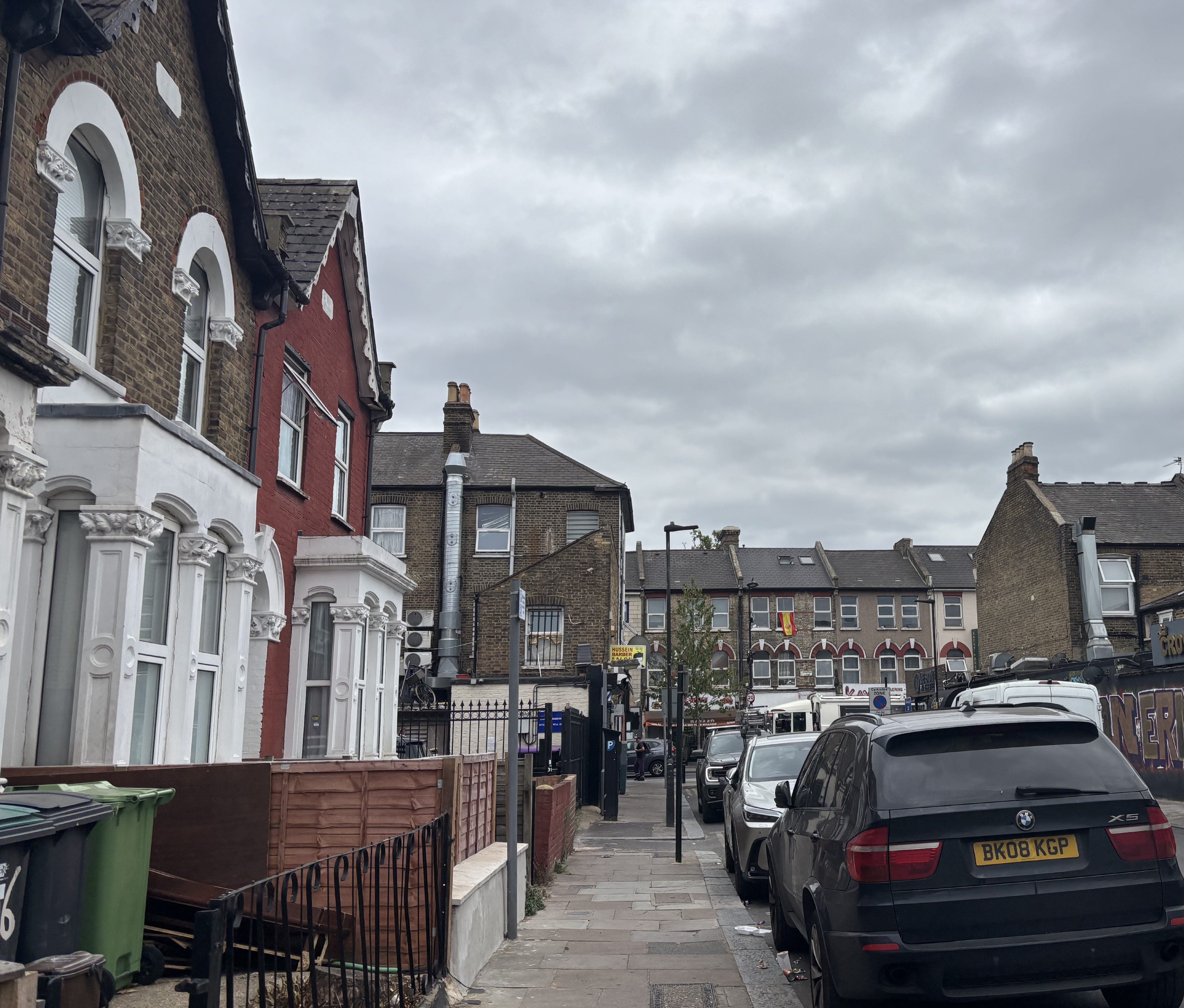
When we visited Chowdhury’s registered home address in Wood Green, London Centric discovered it was occupied by an unrelated family who said they had never heard of the woman or received any post addressed to her.
Step two: the block in Dagenham where Chowdhury registered her gift shop company headquarters.

When we visited her company’s registered headquarters, in a one-bed council flat in Dagenham, we found nobody was at home in the run-down block.
The same flat had previously been used by other young, unrelated Bangladeshi nationals as the headquarters for a separate tax-evading American Candy Shop called ‘Kingdom of Treats’ based in the Trocadero building at Piccadilly Circus, another Criterion-owned property.
Step three: a house in Leyton previously connected to Chowdhury’s gift shop business.
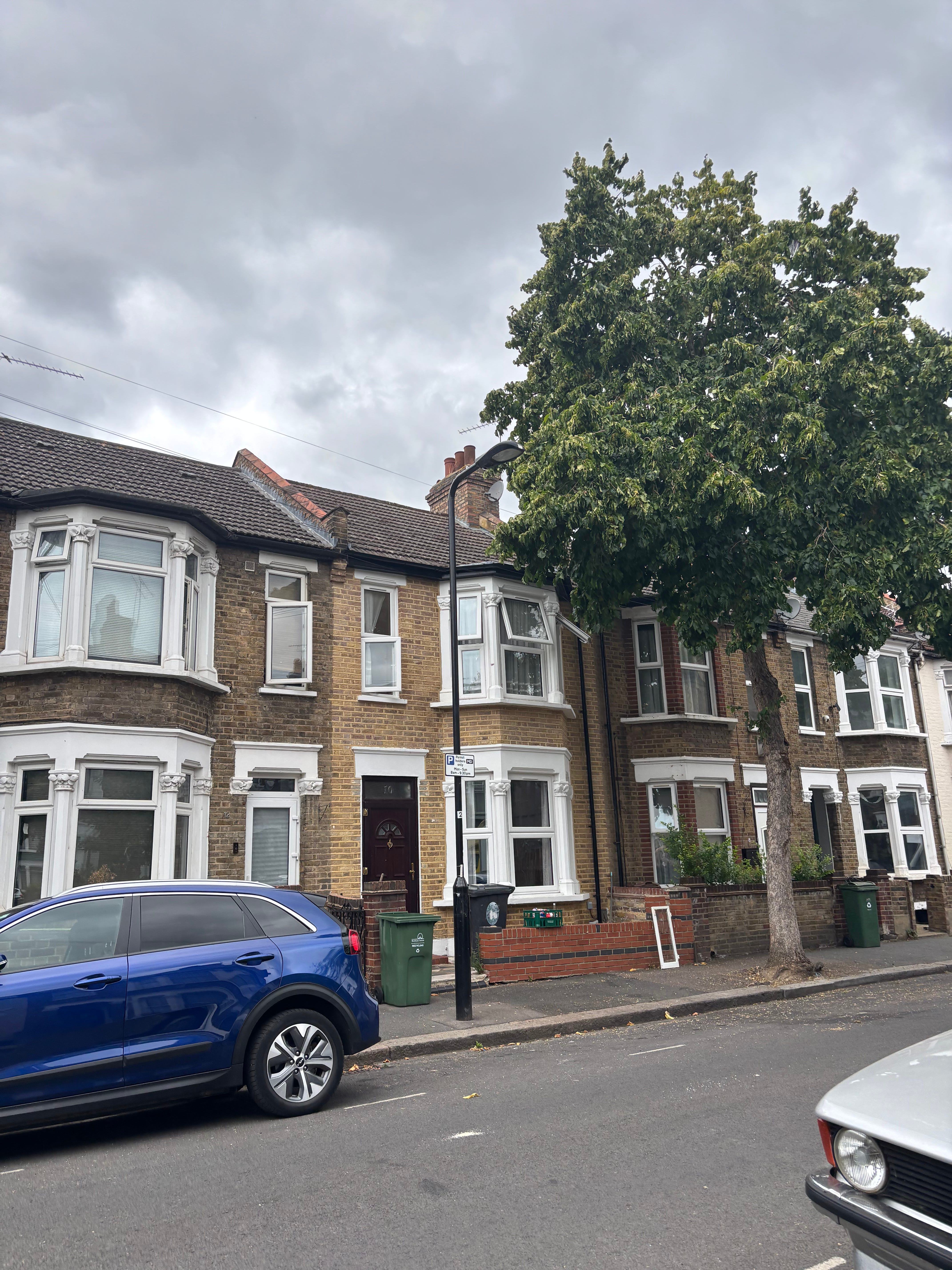
When we visited a third and final address in Leyton that was previously connected to Chowdhury’s gift shop business, we found a temporary accommodation unit on a quiet residential street used by the council to house vulnerable tenants. The current occupants had never heard of a retail operation that might have been run from their property. We asked if it was possible that anyone came to pick up the post for a gift shop business. They said the only regular visitor was a Polish woman who came to the house every day, as her family had been temporarily housed there and they moved without telling her where they’d gone.
None of the addresses we visited gave the impression of being the base for a major retail business running some gift shops in some of the most prominent locations in the UK.
In previous cases London Centric has repeatedly found that people with limited financial means, often international students who don’t plan to stay in the UK long term, are paid small sums to sign legal paperwork and claim to operate the shops. They then vanish when things go south, leaving behind a load of unenforceable debts. Britain’s wafer-thin checks on the people running companies, which is turning London into a scammer’s paradise due to lack of basic enforcement activity, mean the real operators are never chased down. We don’t know if that’s the case here.

There is also zero suggestion that Criterion Capital has any responsibility for the tax affairs of its tenants. When a landlord leases a shop unit to a company, paying property taxes becomes the tenant’s problem. The landlord’s responsibilities are limited to collecting rent and maintaining the building.
Out of interest and without any implication of wrongdoing, we wanted to know why Criterion Capital had decided to rent prominent retail units in both London and Edinburgh to companies run by a woman with no clear source of funds, who didn’t seem to exist at any of the addresses she provided, and who had a track record of running companies that failed to pay their taxes.
We asked:
What checks Criterion carried out on Chowdhury before letting shops to her newly-formed companies? Did it verify she existed at the addresses provided?
Why it rented the Edinburgh shops to her new company, given Criterion had previously had to deal with her Leicester Square gift shop going bust over unpaid taxes?
Whether Criterion received rent on the shop units, even if the tenant was not paying its taxes?
Whether Criterion is concerned it is being targeted by an organised group leasing its properties to run tax-evading gift shops, given we have now identified more than twenty such businesses that have operated out of Criterion-owned buildings in the last four years?
The company declined to respond on the record.
That said, Criterion’s lawyers have previously told London Centric they’d be more than happy to help HMRC with any inquiries into the tax affairs of gift shops that occupy any of their buildings.
Echoing the complaints of her London counterparts, Edinburgh council leader Jane Meagher said deliberate tax evasion is “fundamentally unfair on the thousands of honest Edinburgh businesses who play by the rules”.
She told London Centric her council needed support from all levels of government: “These rogue businesses are not welcome in our city, and we’ll continue to target and disrupt them using all the enforcement powers at our disposal, alongside working with our partners in government and the police. Clearly though, this is an issue that stretches far beyond Edinburgh, and I raised this with the Deputy First Minister during our meeting yesterday. A concerted effort across local authorities, devolved governments, and the UK Government is needed to properly tackle this.”
We left notes at Chowdhury’s registered addresses, but she did not respond to requests for comment.
Today’s main story was produced in collaboration with the Edinburgh Minute, your best news source for updates about the Scottish capital, especially if you’re heading up for any festival events this summer.
Your gift shop tax scam reporting is brilliant. It is so apparent that the landlord knows much more. Have you considered asking Dan Neidle whether he has suggestions how to amend enforcement options so that the landlords can no longer profit from apparently enabling (if not orchestrating) these tax evasions?
Great reporting re. dodgy shops. Feels like one of those issues where each shop its own probably doesn’t dodge that much tax in the grand scheme of things, but the cumulative impact is huge (and very negative).
Glad the government seems to be onboard with stepping up enforcement