

No more Lambeth Country Show: Battle for Brockwell Park returns
Plus: Why are London's buses getting slower, the 81-year-old running to be the YIMBY mayor of London, We R Blighty turn to body cams, and would you buy this basement for £500?


As I was putting this edition to bed, there was some late breaking news from south London. The Battle for Brockwell Park — which we covered at great length in the spring and sparked a wider debate about festivals taking over London parks — has seen another a victory for the residents who feel there were too many events in their local green space.
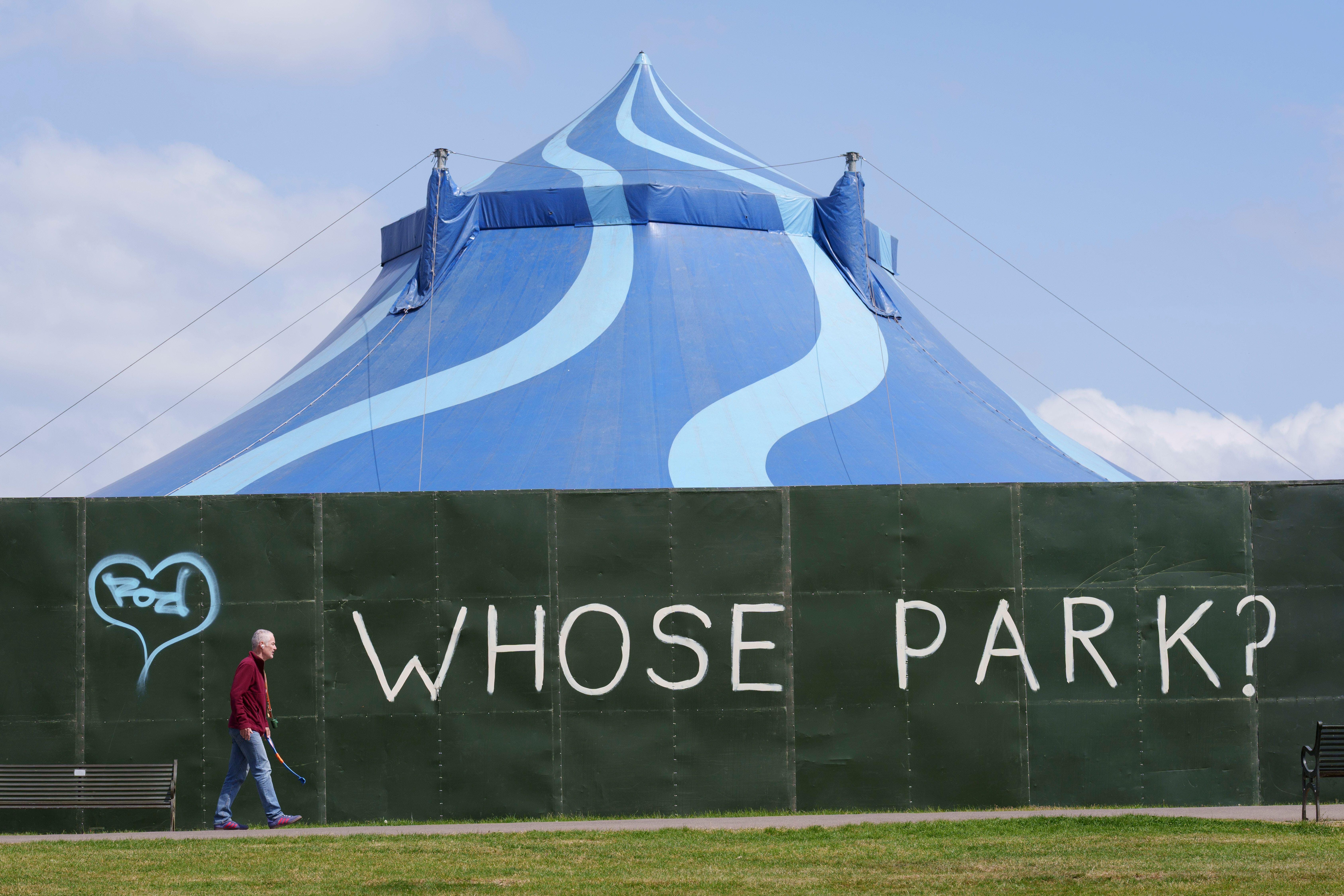
In a statement, Lambeth Council has largely thrown in the towel and accepted that the private promoters that organise events such as Field Day will in future have to go through a full planning process. The local authority has agreed to pay the legal fees of the residents who took their own council to court. Lily Allen might think she’s playing Mighty Hoopla in May but that’s now very much subject to approval. That doesn’t mean the events won’t go ahead. But it could lead to more restrictions and set precedents for other London councils that rent out public parks for major events in the summer months.
Labour-run Lambeth council said it now plans to hold fewer events held in Brockwell Park. The first one to get the chop is the Lambeth Country Show, a free event which was subsidised by the council and used the private festivals’ infrastructure. The council’s press release said they’d need to pay £1m to fund the show and this is “not justifiable” when the local authority is facing a financial crisis. Lambeth’s decision ends an event that has run in various forms for more than 50 years. It also means no more topical vegetable sculpture competitions, a much-loved feature that delighted news outlets across the capital and hipster Instagram accounts in equal measure.

The council’s decision might have been influenced by the fact that had they faced another public legal battle, it would have come to a head in the middle of next year’s local elections, with the Greens and Lib Dems breathing down their neck. While not all locals were on the same page, it shows how one woman who actually read the law around planning in parks may have permanently changed London’s festival scene.
Editor’s note: When not writing London Centric, I volunteer with a south London youth club that does incredible work on a tiny budget. This week we’re running a fundraiser where every pound donated by members of the public will be doubled by a generous donor.
It’s one of the most efficient ways to get your money straight to the frontline of helping the capital’s young people. If you can afford to give any donation of any size then drop me an email and I’ll give you a free month’s London Centric membership as a thank you.
Why London’s buses are getting slower
By Polly Smythe
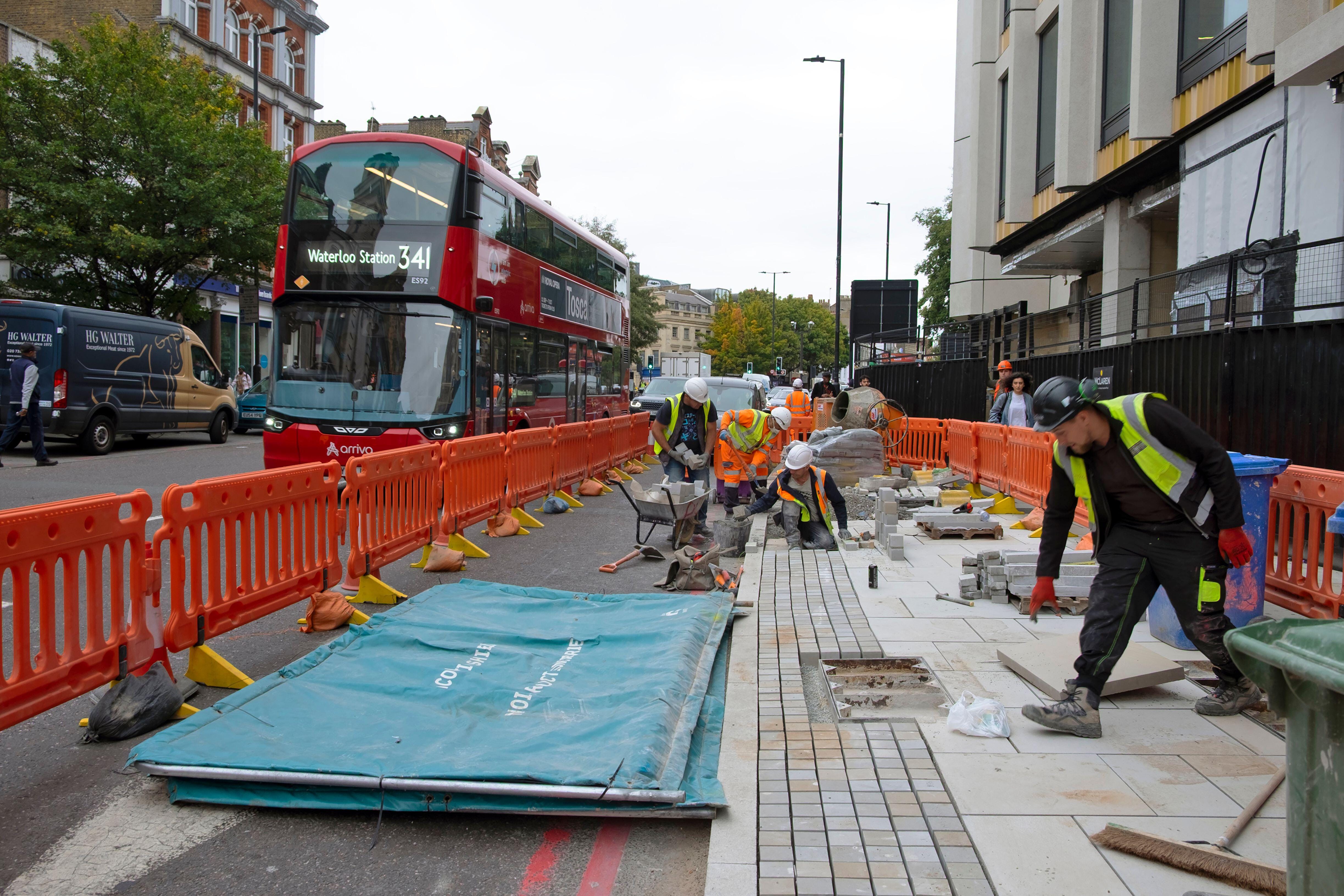
Last month London Centric took a deep dive into the transport trends shaping the capital. One of things we reported was how, despite efforts to improve things, the capital’s buses are slowing down and now have an average speed of just 9.2mph.
A lot of readers got in touch to ask why London’s buses are so slow. So we gave Geoff Hobbs, the Transport for London official responsible, a ring to find out.
Hobbs, who is TfL’s director of public transport service planning, said the general rule is that bus speeds broadly reflect the capital’s traffic levels. When the pandemic lockdown pushed private vehicles off the road, bus speeds rose dramatically. As traffic continues to return towards its pre-pandemic levels, buses are slowing down again.
Speed is directly related to the decline in the number of people using London buses, he said: “For every 10% worsement in journey time, which is a function of how quick you are on the bus and how long you have to wait for it, you lose 6% of users.”
Other issues that cause bus delays include the time it takes people to get on board at stops; bus breakdowns that result in trips taking longer than expected; and the scale of road repairs and utilities work being undertaken by the likes of Thames Water and British Gas.
Even if there has been a slight decline in car ownership in London, the vehicles that do remain – private hire vehicles like Uber, or Amazon and DPD delivery vans – have the potential to be highly disruptive.
“It’s not just where they drive to and from,” said Hobbs. He said that just one delivery van pulling in for a couple of minutes to drop off a package can have a major effect on the bus network. He highlighted Putney in southwest London as an example: “You’ve got one southbound lane, one northbound lane. Any traffic that comes to a halt will soon back up over the bridge in one direction.”
In addition, bus drivers can only work for a certain amount of time before they’re legally required to take a break to prevent fatigue. When trips are slow, drivers can fail to arrive at their appointed break destination, leading to more cancellations, early terminations of services, and uneven intervals between buses.
“Hence the fabled ‘no buses turn up, then three do at once’,” said Hobbs.
Hobbs said Putney, Wembley, and Wood Green are particularly problematic areas for London’s bus network, where everything can go wrong very quickly due to narrow roads. TfL can help on the small number of roads it manages by painting double-yellow lines or building bus lanes. But private drivers don’t always abide by these and it requires active enforcement to ensure there’s space for buses.
What can TfL do? There are two broad options available. The first is to introduce drastic measures to force cars off London’s roads, which would require a high degree of political support. This is not currently on offer. Hobbs said that, while road pricing could achieve a reduction in the number of cars and speed up buses, it isn’t on the cards.
The second option is to give buses a leg up against general traffic by giving them more space. A TfL target of creating 25km of new bus lanes by the end of this year is expected to be met, with only one kilometre left to be added. There are also smaller tactical interventions, such as altering more traffic lights so that they turn green as the bus approaches, giving buses the exclusive ability to make certain manoeuvres at junctions, and doing more to coordinate roadworks between boroughs.
“Exhorting people not to drive will only get you so far,” said Hobbs. “If you give bus drivers and their passengers priority, that’s another way.”
Preposterous property of the week
Do you fancy buying a 94 year lease on the basement of a subdivided Victorian house in Lewisham, south east London? For just £500 you could own what is optimistically described by the estate agent as a potential home: “The basement currently has limited head height but there may be potential for excavation.”
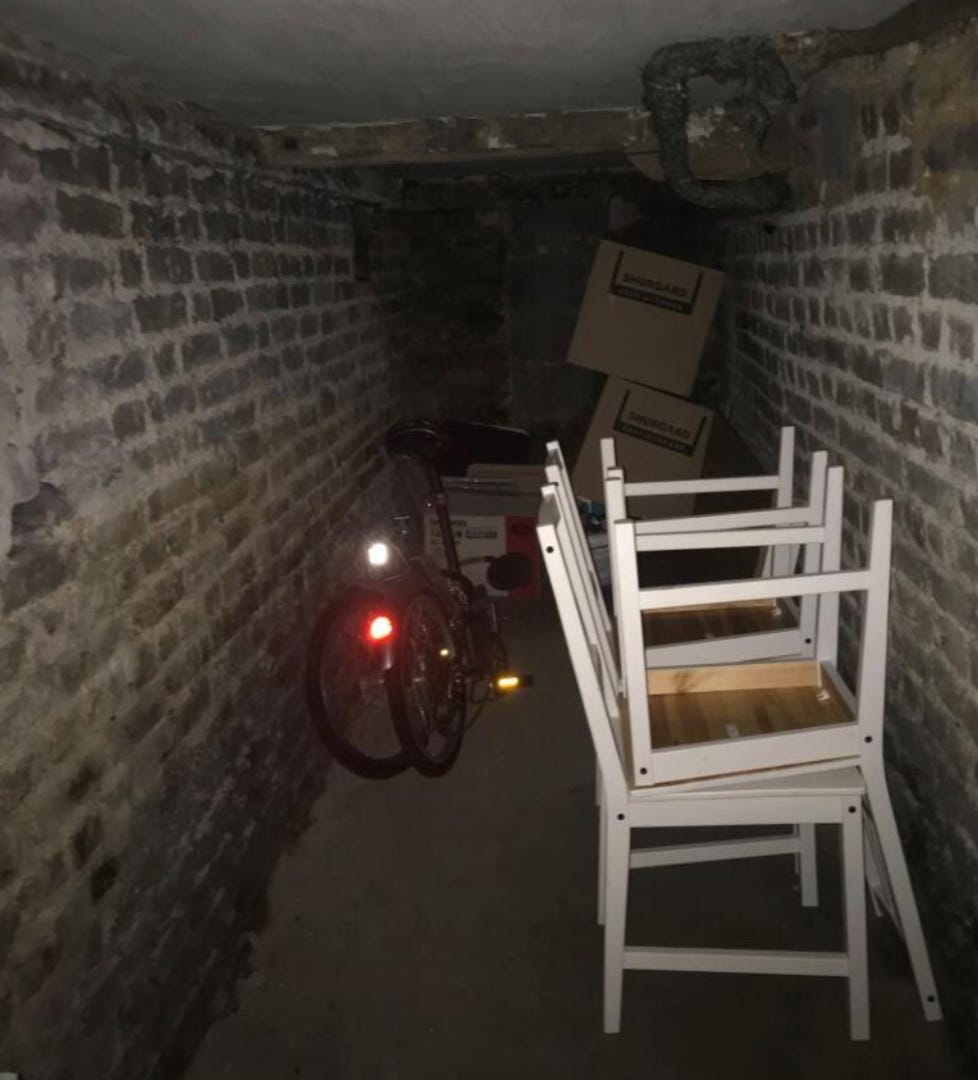
There’s one minor issue — access to the basement is via an internal staircase from a ground floor flat owned by someone else. You’ll have to negotiate a separate agreement with them to enter their property if you want to make the most of your newly-bought basement.
When we phoned the estate agent they described it to us as a “development opportunity for an incoming buyer to create a new flat subject to getting all the relevant consents”. They said it wasn’t the first such London basement they’d listed: “Old houses will have a small cellar unit in them, and those would just be sold off and people can create a flat.”
Isn’t there a risk that you might end up owning a very tiny inaccessible basement underneath someone’s flat?
“Yeah,” said the estate agent, after a pause.
Sadly, within minutes of our phone call, the property was taken off RightMove. But it might still be worth a call to see if you can put in a bid.
Give the gift of London Centric this Christmas!

Thanks to everyone who has already been buying gift subscriptions, the first gift cards are being labelled up at the moment.
Click this link to buy a gift subscription for your nearest and dearest. Just make sure to click the button to schedule it to start after Christmas Day. Then drop us an email or WhatsApp and we’ll also post you a physical festive gift card to hand over!
Peter Murray: The architecture campaigner who wants to be the next mayor of London
In two years’ time the next mayoral election will be in full swing and it’s likely to be the most open contest in the job’s history.
Sadiq Khan is still playing a will-he-won’t-he game regarding whether he’ll stand again, with potential Labour candidates quietly positioning themselves to succeed him. Leading Conservatives are trying to work out whether the mayoral role or the 2029 parliamentary election is their best bet for career advancement. The Greens (will party leader Zack Polanski consider running?) and Lib Dems will be more competitive than in the past, while Your Party will be in the mix.
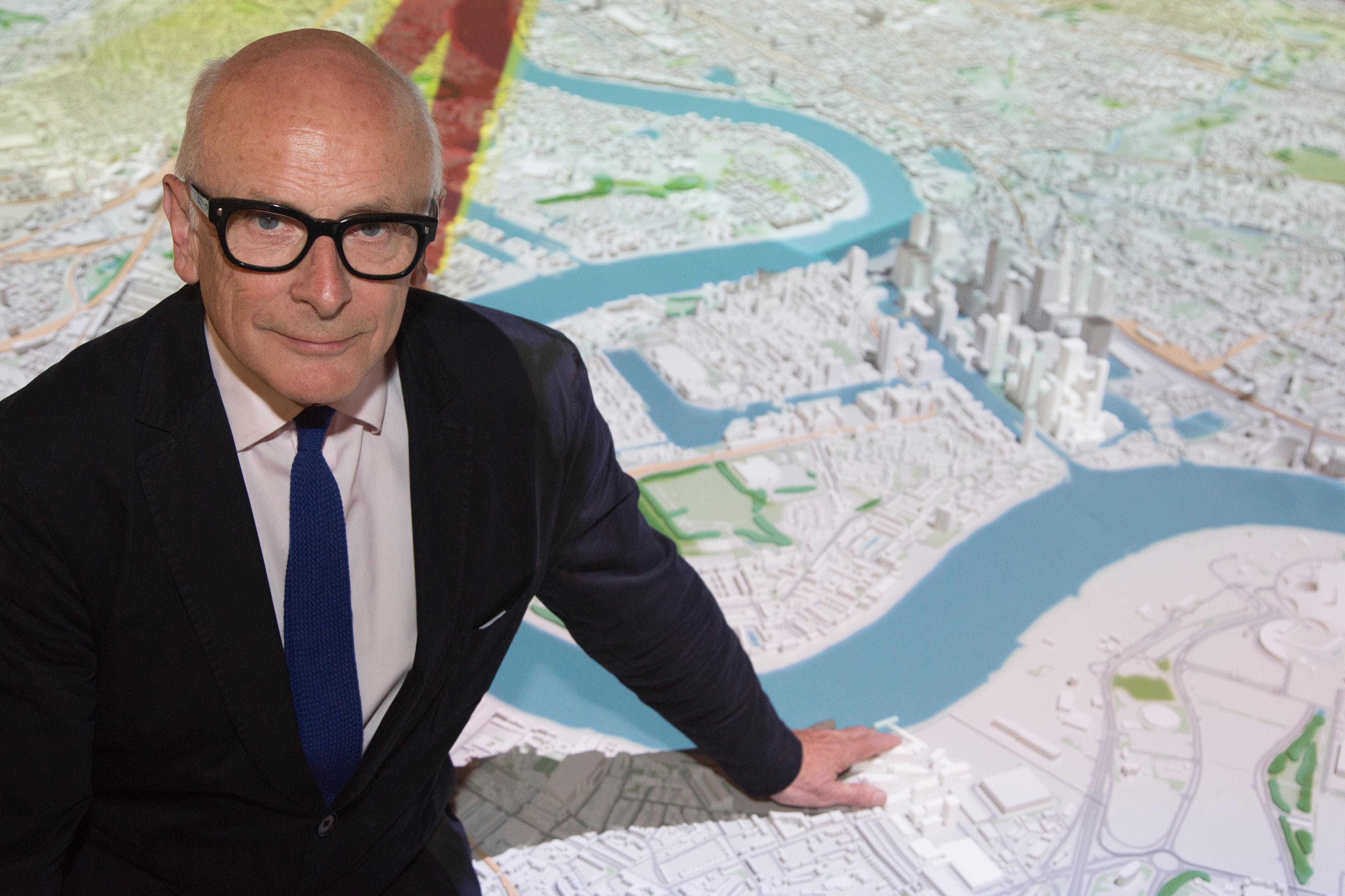
To that list you can add Peter Murray, the 81-year-old architecture writer and activist, who has announced he intends to run for election on a pro-construction, pro-social housing platform. His pitch is that he will bring a single-minded focus on building the homes Londoners need.
A founder of both the London Festival of Architecture and New London Architecture, Murray describes his hobbies as “looking at buildings, cycling, sketching and wood turning”.
“The biggest job the mayor has got is to deliver housing,” he told London Centric. “How can we have an equitable city when 200,000 people are in temporary accommodation — and a successful city when young people can’t afford to live in it?”
New construction is slowing to a halt in the capital amid rising costs and Murray argues he’s the person who can make construction happen.
So he would be the YIMBY mayor of London, helping to push through planning applications?
“I have never described myself as that but I would be very happy with that description.”
Murray’s policies include appointing a City Architect to coordinate construction and design across London, similar to the teams that worked for the old Greater London Council to design public projects and housing. He said: “Social housing helps people get back into work, it improves their health, they become contributors to the economy. It doesn’t impact on house prices.”
It’s fair to say that the lack of party campaign infrastructure and campaign funds might be a little bit of hindrance to his chances of success. Murray, who first announced his run on the podcast Superurbanism, says he intends to make a virtue of running as an independent. He says his lack of political party affiliation means he can work with all of London’s boroughs.
“Having a mayor who is focussed on delivery rather than politics, you can get people together to work in a coordinated way rather than the tensions between different parties,” he said.
So far the only other declared mayoral candidate is independent Ant Middleton, a former presenter of SAS: Who Dares Wins who was barred from being a company director earlier this year over a failure to pay a million pounds in taxes. In addition to the major parties, there will also be a vast number of YouTubers and influencers who will run for the job as an opportunity to make high-profile content.
With the field split, Murray believes conditions favour an independent run and he’s ready to raise the £10,000 deposit.
“I’m serious about it,” he said.
Updates on previous stories…
Zipcar’s closure continues to cause issues. Croydon council has confirmed to us that staff rely on the vehicles for “business-based travel”. The local authority doesn’t expect the closure to impact essential services but many staff may find it harder to get around on specific projects in the new year. We’ve also been flooded with messages from small businesses who rely on the service for deliveries and are now facing up to the cost of buying a van that they will barely use. As we pointed out earlier this week, it seems no one was taking London-wide responsibility for this service.
The relocation of the Smithfield and Billingsgate meat and fish markets to Albert Island in Docklands has been confirmed. It’s long been a stalled development site because, as the ever-wonderful Diamond Geezer writes, it’s a “godforsaken wasteland” at the end of the City Airport that makes it completely unsuitable for housing.
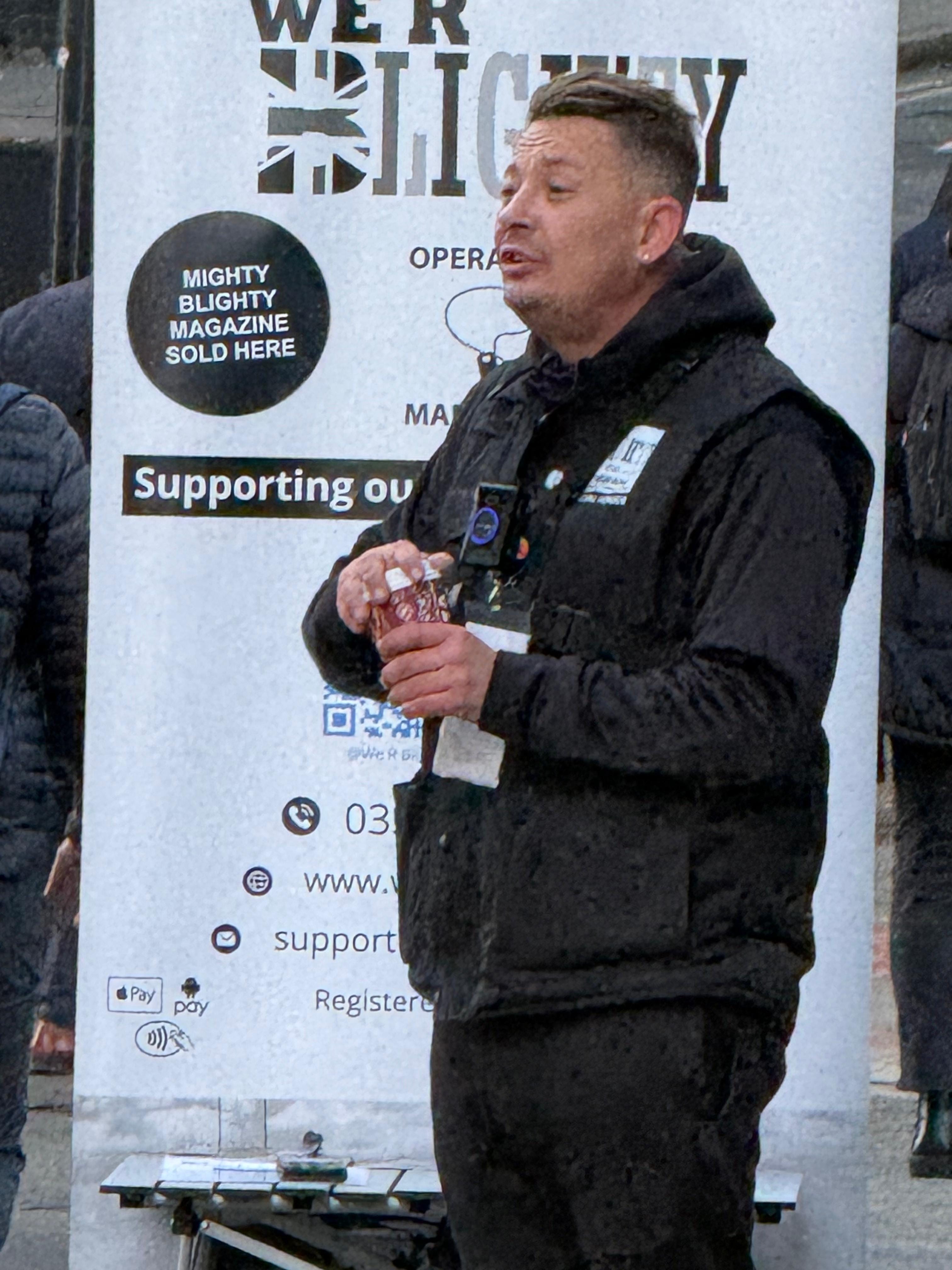
The lawbreaking We R Blighty group have started sending out their staff onto the streets of London wearing body cameras, more associated with public officials who receive threats from members of the public. As they confirmed to us, they’re now sidestepping fundraising law by selling a magazine called Mighty Blighty.
Are people systematically letting down the tyres on Lime bikes? And why? Over the last week we’ve had reports from readers in north, east, and south London that they’ve tried to rent a bicycle only to find a whole row of Lime bikes with no air in their wheels. Is this just a case of ‘we can’t have nice things’ caused by people opening the valves out of spite? Or is something else going on? Get in touch if you know more.
That official comment & explanation from TfL is excellent, detailed and informed. Credit where it's due.
In that photo, the We R Blighty man looks like he’s not wearing a body cam but a … *ring doorbell*?