


Happy New Year, especially to everyone who got a subscription to London Centric as a Christmas present. I ended up covering a new record of 48 miles on Christmas Eve delivering the final gift cards to new subscribers and even saying hello to some of you in the process. Particular thanks to the two couples who, unwittingly, bought each other gift subscriptions.
We’ve got a run of exclusive members-only investigations coming up over the next few weeks but for now, with the cold snap still underway, here are a few quick things to intrigue and delight you.
Late breaking news: Reform UK confirm London mayoral candidate
Just as I was pressing publish, Reform UK confirmed that Westminster councillor Laila Cunningham will be the party’s candidate in the 2028 London mayoral election.
In a press conference with party leader Nigel Farage, she said her campaign will:
Focus on fighting knife crime by instituting an automatic stop-and-search policy for anyone wearing a mask.
Revive high streets and end the “war on motorists” through scrapping the ULEZ clean air zone.
Make housing more affordable by reallocating properties from refugees to other Londoners.
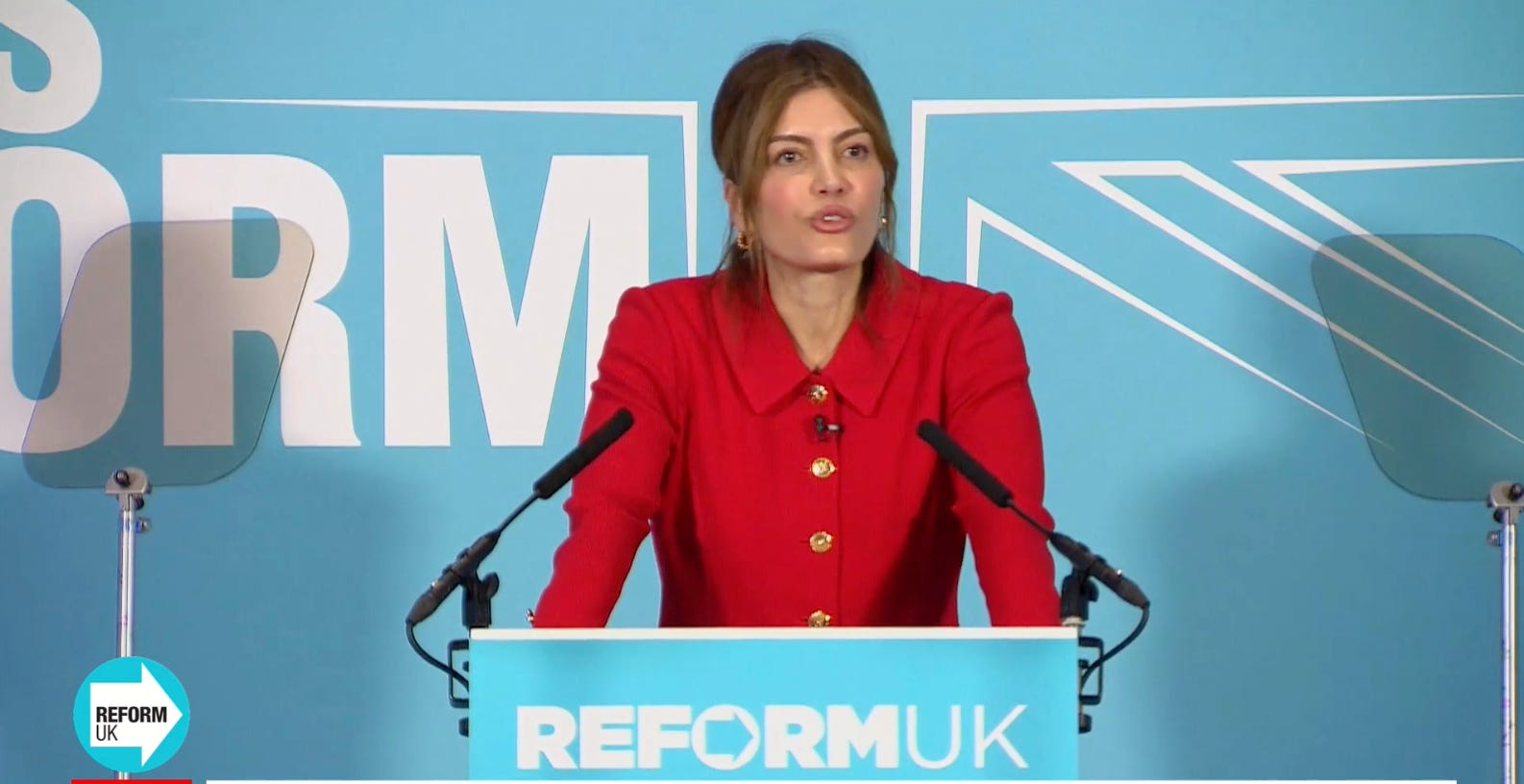
In her initial address she talked up the threat of sexual violence and gang war in the capital, describing London as a city where criminals “operate freely”.
“Londoners are scared because most of us have been victims of crime,” she said, saying that most of the people who don’t live here “pity” those who live in London.
The 48-year-old mother-of-seven is an ex-Conservative who defected to Farage’s party last year. A former criminal prosecutor, born in London to Egyptian parents, Cunningham fell out with the Tories after a bodged selection process for a parliamentary seat in Rotherham.
The announcement is timed to give Reform UK a boost ahead of May’s local council elections, with Cunningham expected to be sent out to perform media duties and calling for the vote to be a “referendum on Sadiq Khan”. Reform UK hopes to make big gains in London’s outer boroughs.
As for the other parties, Sadiq Khan is still engaged in a public will-he-won’t-he game around standing for a fourth term as mayor, even as other internal Labour candidates are not-so-quietly getting ready to succeed him.
Nicolas Cage vs The London Borough of Waltham Forest
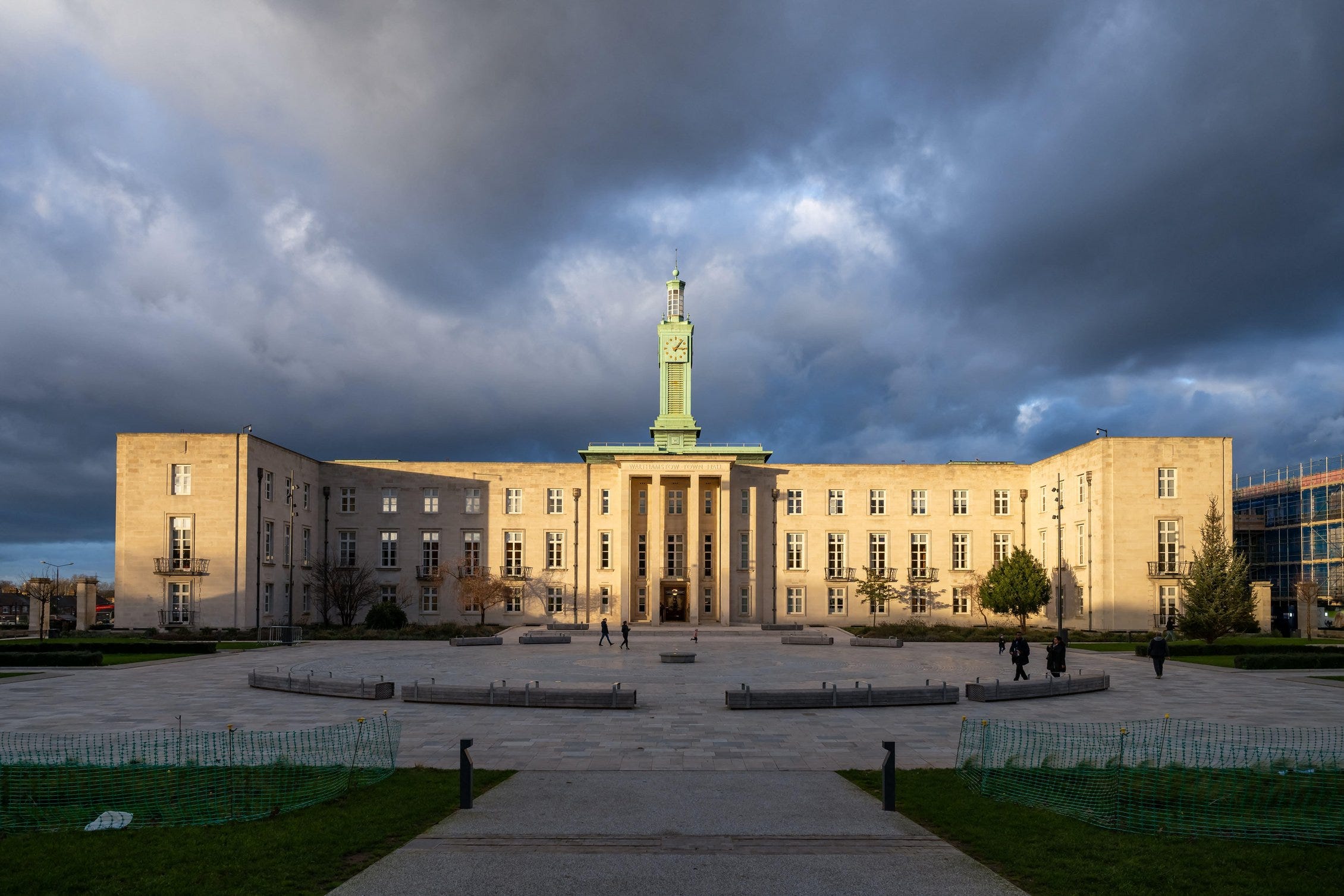
When the makers of a forthcoming big budget British World War 2 film needed a building that could double as a Nazi intelligence headquarters, they knew exactly where to turn: Waltham Forest Town Hall.
Instead, London Centric has learned, the filming plan turned into a mess as council officials pulled the plug at the last minute over concerns about how nearby residents would react if they saw swastikas on the local authority headquarters.
Operation Fortitude, a film featuring Nicolas Cage, Ben Kingsley, Alice Eve and Matthew Goode, had booked Waltham Forest’s Albert Speer-esque base with the intention of covering it in Nazi symbols and having actors run around it in fascist paraphernalia.
Just days before filming was due to begin the council backed out of the deal, resulting in attempted intervention by central government officials concerned about potential damage to the UK film industry. A stranded Nicolas Cage was left wondering whether he would ever be heading to E17 to deliver his lines. The decision to pull the filming was taken in early September, at a time when flags were being hung from lampposts and anti-migrant marches were taking place across Britain.
“I’m sure residents could tell the difference between real Nazis and fake Nazis at the town hall,” bemoaned one person with knowledge of the situation, who wanted the shoot to go ahead.
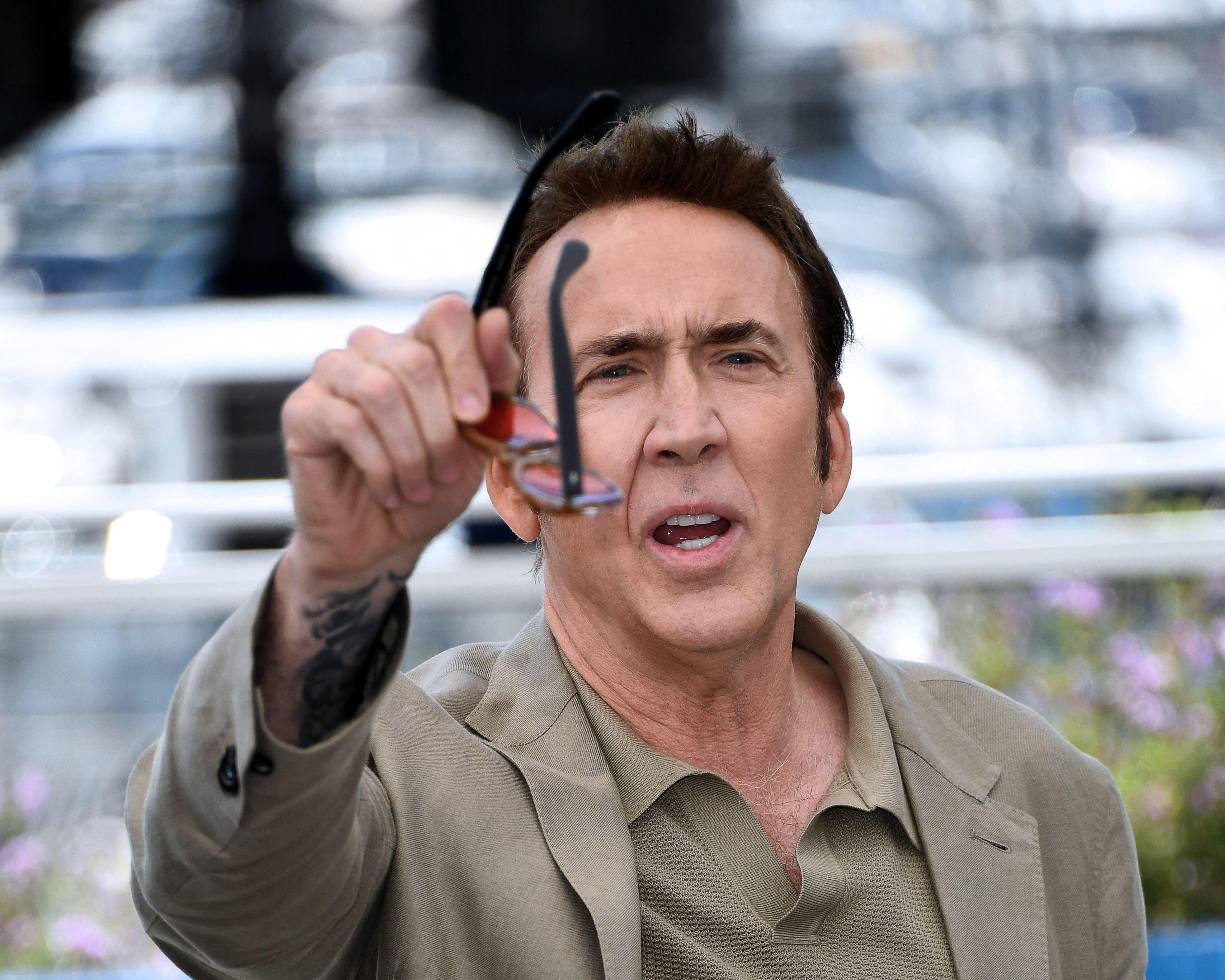
Operation Fortitude is being made by Simon West, who previously directed Cage in the iconic blockbuster Con Air. The forthcoming film tells the story of British military ingenuity in the run-up to D-Day, when fake armies were created in a bid to convince the German military leadership that an invasion would take place elsewhere. Cage stars as Serbian double agent Duško Popov, one of the supposed inspirations for James Bond.
The film has had a long and tortuous route to screen, including a $500,000 legal claim against Martin Scorsese for not providing enough input to the script. But the argument with Scorsese seems to have been equalled by the dispute with Waltham Forest Council.
The major concern at the London council was that there was not enough time to consult nearby residents on their tolerance for swastika banners after a change in filming date.
A council spokesperson said: “In August we were approached by the Fortitude production team to use the Town Hall as a shooting location, depicting a WWII German Intelligence HQ. The proposal was agreed with several conditions, including that they consulted with nearby residents and that Nazi-era flags and symbols were not publicly visible.
“We were very disappointed when the shoot was abruptly brought forward from October to 15 September, preventing the level of consultation previously discussed, and that letters had been sent to the community by the location team stating explicitly that Nazi symbols would be highly visible during the shoot. Because of these significant changes that did not honour our agreed conditions, and given the high level of sensitivity to far-right iconography, we felt we had no other choice than to refuse permission.”
As a result the council missed out on a healthy fee for use of its building, while other local businesses also missed out on thousands of pounds of planned spending by the film crew.
The transformation of public buildings into locations for films about the Nazi regime has previously caused issues elsewhere in the UK, such as when fans of York City FC unexpectedly found their stadium coated in swastikas for a Bollywood production about the 1936 Olympics.
Operation Fortitude filming ultimately went ahead in Greenwich, where locals were simply met with notices warning them that any Nazi symbols were part of a historically accurate film shoot. Production then moved to Luton, where Cage was spotted placing bulk orders of sausage rolls from the local branch of Greggs — an experience that the residents of east London missed out on.
Preposterous property of the week
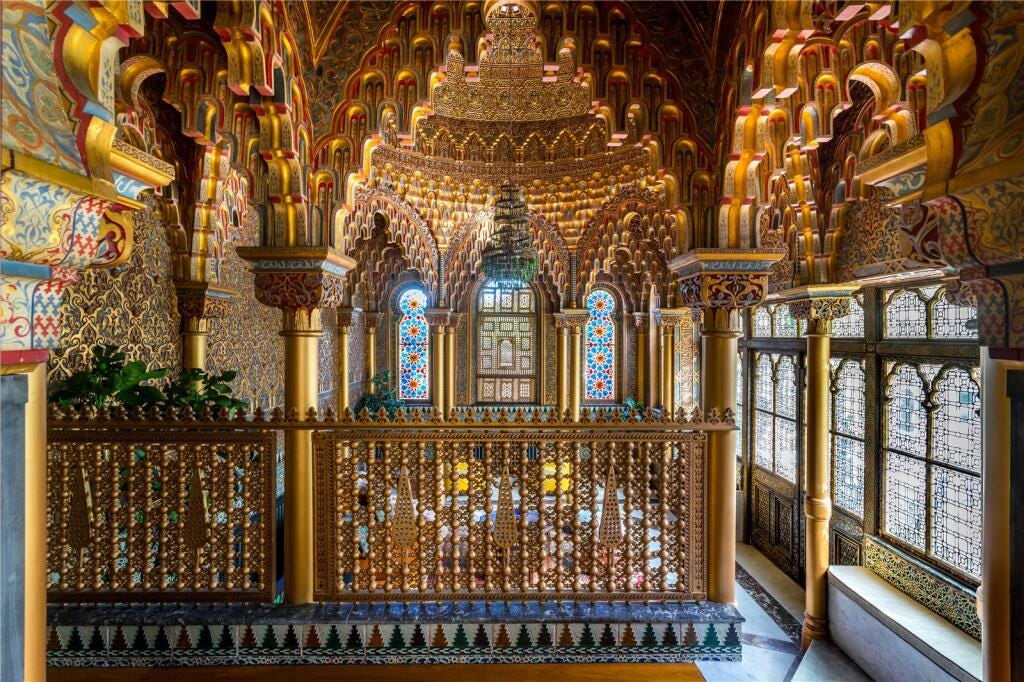
For just £4.995m* you can live in this five-bedroom mansion in Hampton, south west London. It features easy access to the River Thames and Bushy Park, an hour’s commute to central London and… an elaborate and ornate recreation of Granada's Alhambra palace which frankly looks like a nightmare to keep clean.
*If you’re wondering about the curious pricing, that £5,000 discount should, at least until a revaluation takes place, cut £2,500/year off the building’s forthcoming mansion tax bill.
The 20% “Lime tax” on stopping at red lights
Software engineer Matt Taylor was watching a stream of Lime e-bikes speeding through a red light when he decided to test his hunch that the company’s charging model is encouraging dangerous behaviour. So he developed an app that simulates the cost of riding a bike across London.
“My idea was to let someone put in their commute and see how much Lime is taxing them for doing the right thing,” he told London Centric.
His conclusion: There is effectively a surcharge on good behaviour, with Lime journeys becoming between 10% and 25% more expensive if you bother to stop at the red lights.
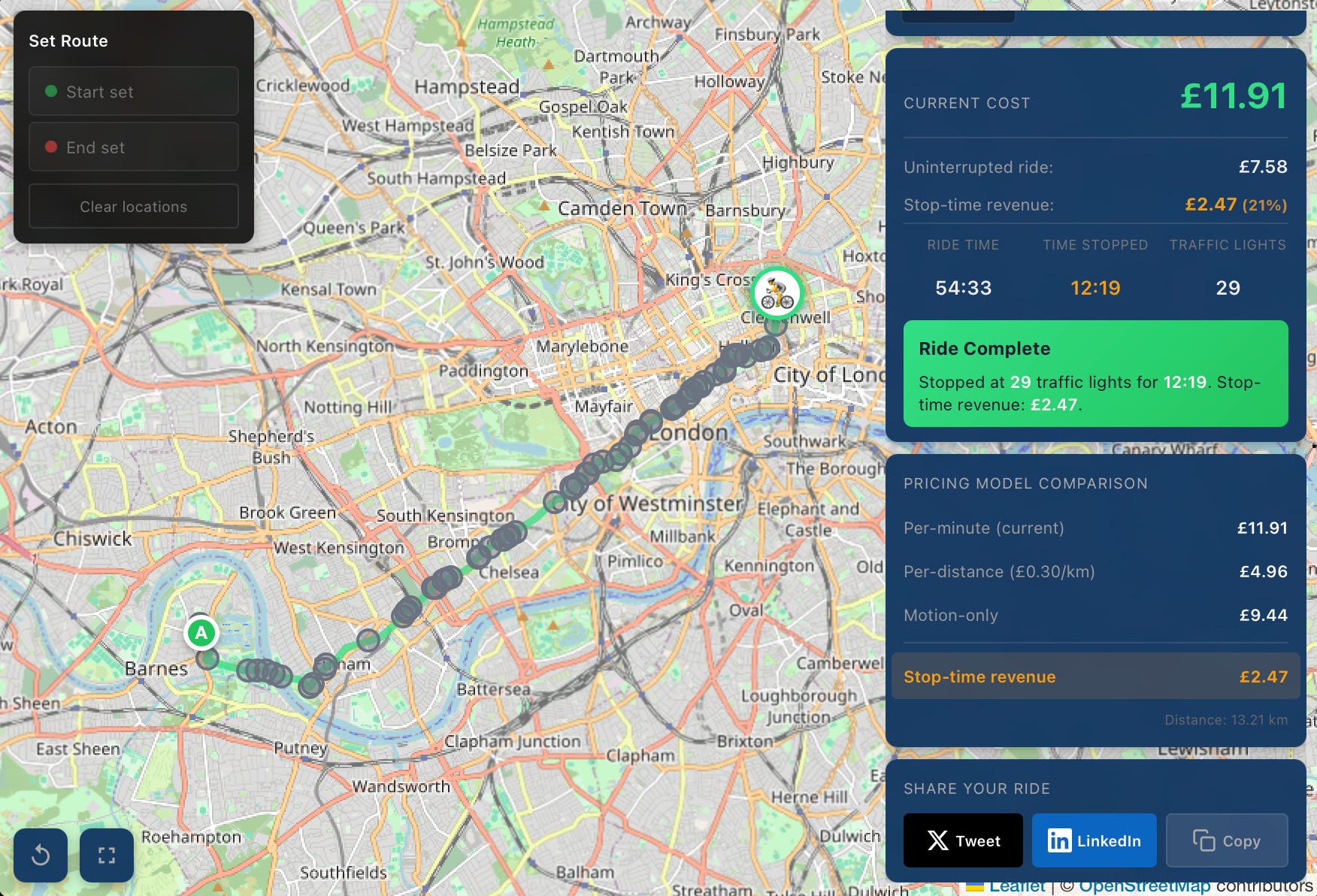
An hour-long pay-as-you-go journey from Lewisham in south east London to King’s Cross would cost £14.32 — of which £3.02 would be spent while waiting at red lights. An equivalent route from Barnes in south west London to Clerkenwell would be 21% cheaper if the Lime bike rider didn’t stop.
Many users buy minutes in bundles but the overall proportionate saving is roughly the same.
“That feels to me like an incentive for skipping reds,” said Taylor. “The thing that frustrates me is that it’s so much more dangerous for someone on a Forest or Lime to skip a red light at 15mph because they’re likely to be less experienced, they may not know the junction, and they’re carrying 30kg of front-heavy bicycle that can do serious damage to a pedestrian and to themselves.”
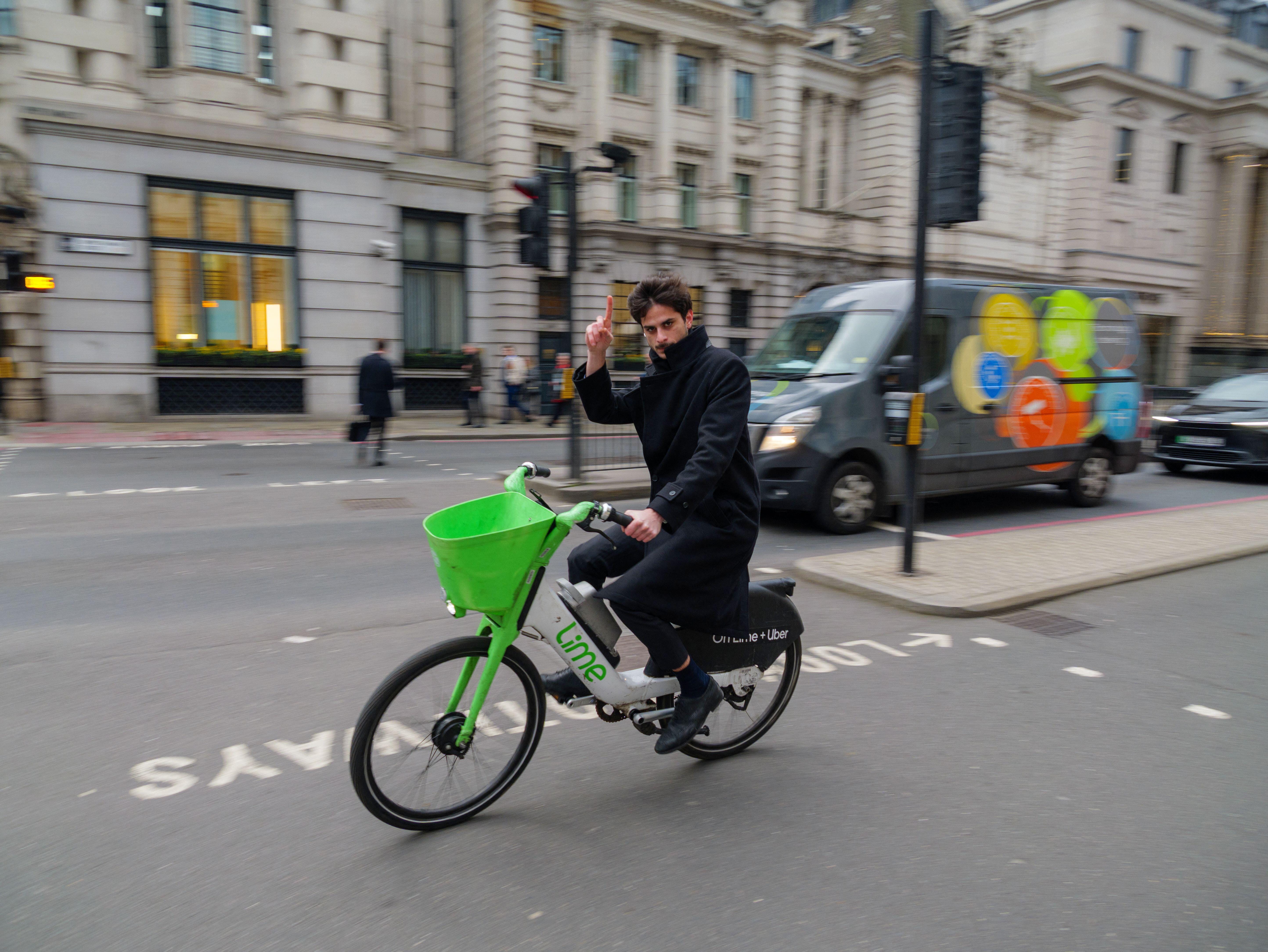
Taylor suggested London’s councils — or Transport for London, when it is potentially given the power to regulate rental e-bikes — should require Lime and the other e-bike operators to develop a new pricing model that doesn’t incentivise people to go as fast as possible and ignore the rules of the road.
He has proposed three alternatives:
Charge by distance between start point and destination, with a penalty for people who ride in circles.
Charge by battery usage, although this would penalise people going up steep hills.
Give people an amount of free stopping time proportionate to the overall distance they travel — or use Lime’s built-in bike tracking technology to judge when they have waited at lights.
“Because Lime are a transport company that gets you from A to B, they should be charging you for getting you from A to B, unless you take an unreasonable time,” argued Taylor, a regular user of Lime bikes. Flat fares based on distance could also mean people aren’t incentivised to dump e-bikes on pavements rather than spend extra money cycling to designated parking bays: “Time is the killer here. It is not the way that they should be charging.”
Brockwell Park’s back, back again
There are two easy ways to know that spring is on the way in London. One is the first emergence of snowdrops. Another is the first legal fight over whether for-profit festivals should be allowed to take place in public parks.
The Battle of Brockwell Park, the ongoing saga over whether Lambeth council should let promoters take over the large south London open space for private ticketed events, is once again on the agenda. The saga, which last year put the likes of Mighty Hoopla and Field Day at risk, concluded with an expensive legal defeat for Lambeth council and a judge ruling that full planning permission is required given the length of time that the park is out of action. What happens in south London could set a precedent for events across the capital.
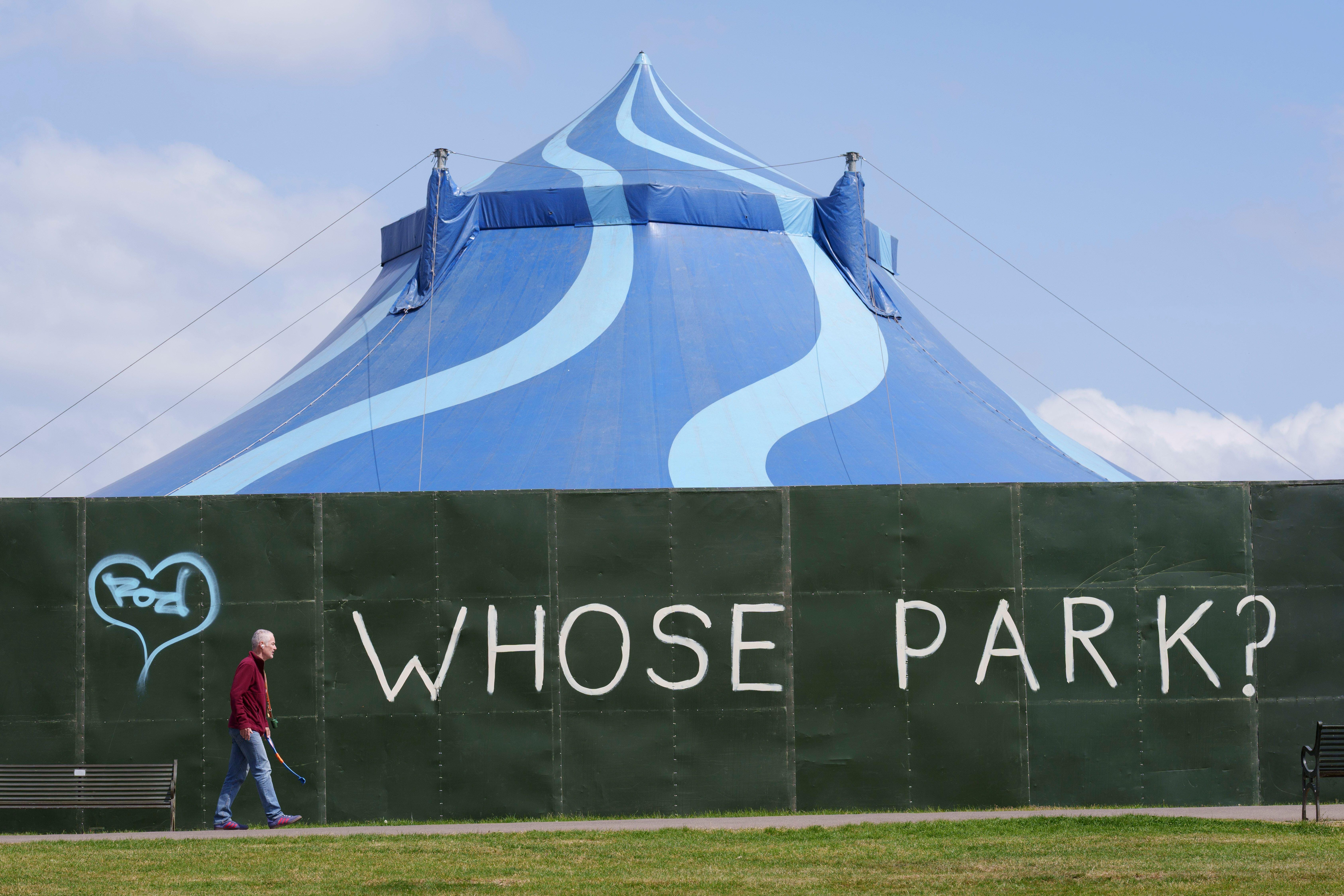
Lambeth council, which has an enormous hole in its finances, has responded by cancelling the free Country Show — one of the main justifications for allowing the private festivals — after fifty years, saying it’s no longer affordable. At the same time the festival promoters have cut some events, such as Wide Awake, from their calendar.
Hundreds of thousands of words have now been submitted to Lambeth’s planning portal, the vast majority of them wanting to stop or reduce the proposed 32 days of events. Almost 300 people wrote in to object to this year’s festival proposals on the basis of damage to land, loss of open space, and environmental concerns such as threats to the local bat population. Noise concerns also feature in many of the complaints.
(Last summer London Centric employed an independent data scientist to spend a day taking noise readings during the festival. He concluded that the festival consistently stayed within legal limits but the noise could still be annoying to nearby residents.)
Campaign group Protect Brockwell Park’s objection, which has already been well-summarised by Brixton Blog, argues the festivals are “inappropriate and unacceptable in this sensitive location” and do not meet the “very special circumstances” required to hold events on this land.
The council still received 127 letters of support for the festival, with many from people nearby claiming the damage is sufficiently mitigated and the events are enjoyed by local people. As one local resident wrote: “We live in a Zone 2 borough of London, if we can’t host a handful of music festivals here every year it feels like a[n] indictment about the vitality of our borough and the city at large.”
The topic is also a nightmare for Lambeth’s Labour administration, with the festivals due to take place around the time of May’s local elections, with the Greens and Lib Dems planning to make an issue of it.
How London are you?
Reader James Darling gets in touch: “I’ve lived in London my whole life, from Zone 4 to Zone 1, and always found it funny that everyone always thinks that they live on the edge of London and that anyone further outside than them is in the sticks.”
“As a software developer I wondered if I could merge lots of data sources together to create a ‘Londometer’ that takes a postcode and gives you a % of how much in London that is. I’m sure this will put the debate to rest and not enrage anyone.”
He’s built a deeply scientific tool to calculate your house’s London-ness, depending on your postcode. Frankly, it’s purpose-built to annoy absolutely everyone in the capital, so we include it as a way of enlivening your WhatsApp group.
“Lies that take her places she's never seen”
Back in December, as the rest of us were putting up our Christmas decorations, the residents of Stratford’s Halo development were being asked to leave their building after it was deemed no longer “safe to occupy.”
While hundreds of residents have since decamped from the structurally unsound building, a small group of residents are still refusing to move out. One resident, whose application for alternative accommodation was approved in December by building owner Notting Hill Genesis, has since been told that “due to budget cuts and further review by management” their accommodation request “cannot be met”.
It’s just the latest example of relatively new housing blocks in the capital having major structural faults and management companies that struggle to fix them. This week readers living at Chobham Manor in the Olympic Park have been in touch after their communal heating system failed during the recent sub-zero temperatures.
“We haven’t had heating or hot water since Saturday,” said Monica Majed, who lives on the development with her small child. “They haven’t given us a clear explanation of what’s going on.”
Instead, in the encapsulation of the Olympic legacy, residents are being advised to walk 20 minutes away and use the showers at the Aquatics Centre.
This year we’re going to be spending more time looking into the poor quality homes thrown up during London’s 2010s housing boom.
Got a story we should be looking into? Get in touch via email or WhatsApp.
PS The reader with a small claim on an Elizabethan Londoner’s fortune
Six months ago London Centric set out to revisit a series of disputed evictions at the hands of a property developer called Henry Smith. It got a bit out of control.
On New Year’s Day we ended up publishing a sprawling historical tale about two men who shared the same name, taking in 450 years of London property deals, the ethics of money lending, Tommy Robinson, Barbary pirates, Jacobean earls, and wealth in the capital — plus a curious charitable bequest left by a Tudor London businessman that benefits thousands of his “kindred” descendants.
Brilliantly, one of those descendants is a London Centric reader, who popped up in the comments to describe how the charity paid for her father to go to university in the 1940s. If you’re looking for a leisurely London read, do have a look.
One of the flaws/brilliant things about a newsletter publishing model that tries to mix the light, the serious, the breaking, and the curious in a single mailout is…. it creates a truly deranged comment section. This is a perfect example and I love it.
"most of the people who don’t live here “pity” those who live in London." - why do mayoral candidates think this kind of line is a vote winner? I don't think too much of Khan, but he does a good job praising London and showing genuine pride for the city. Why should any Londoner vote for someone who talks the city down?