

"Bring swords": The viral riot that didn't happen
Plus: Why hasn't the Putney Pusher suspect been named? • Wooden sleep boxes for bus drivers • Who wants our stories taken off Google?


Welcome to this week’s London Centric. For the first time, we sent reporters to cover an event we were almost certain would not take place.
Scroll to the end to read the story of how Stratford in east London was sent into panic by an AI-generated viral post and how London can deal with this in the future.
Need a last-minute Father’s Day present for this Sunday? Why not consider a London Centric gift subscription.
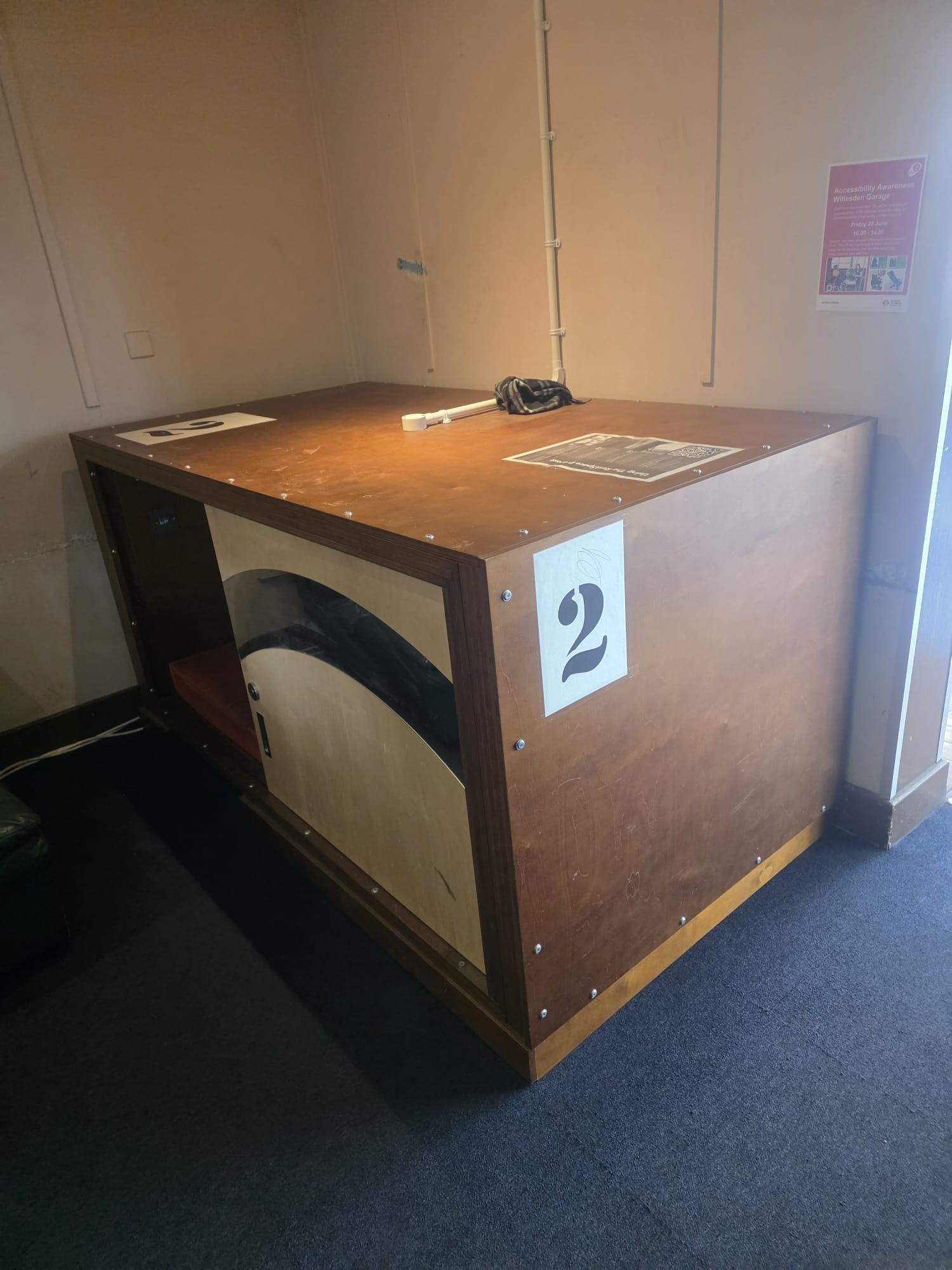
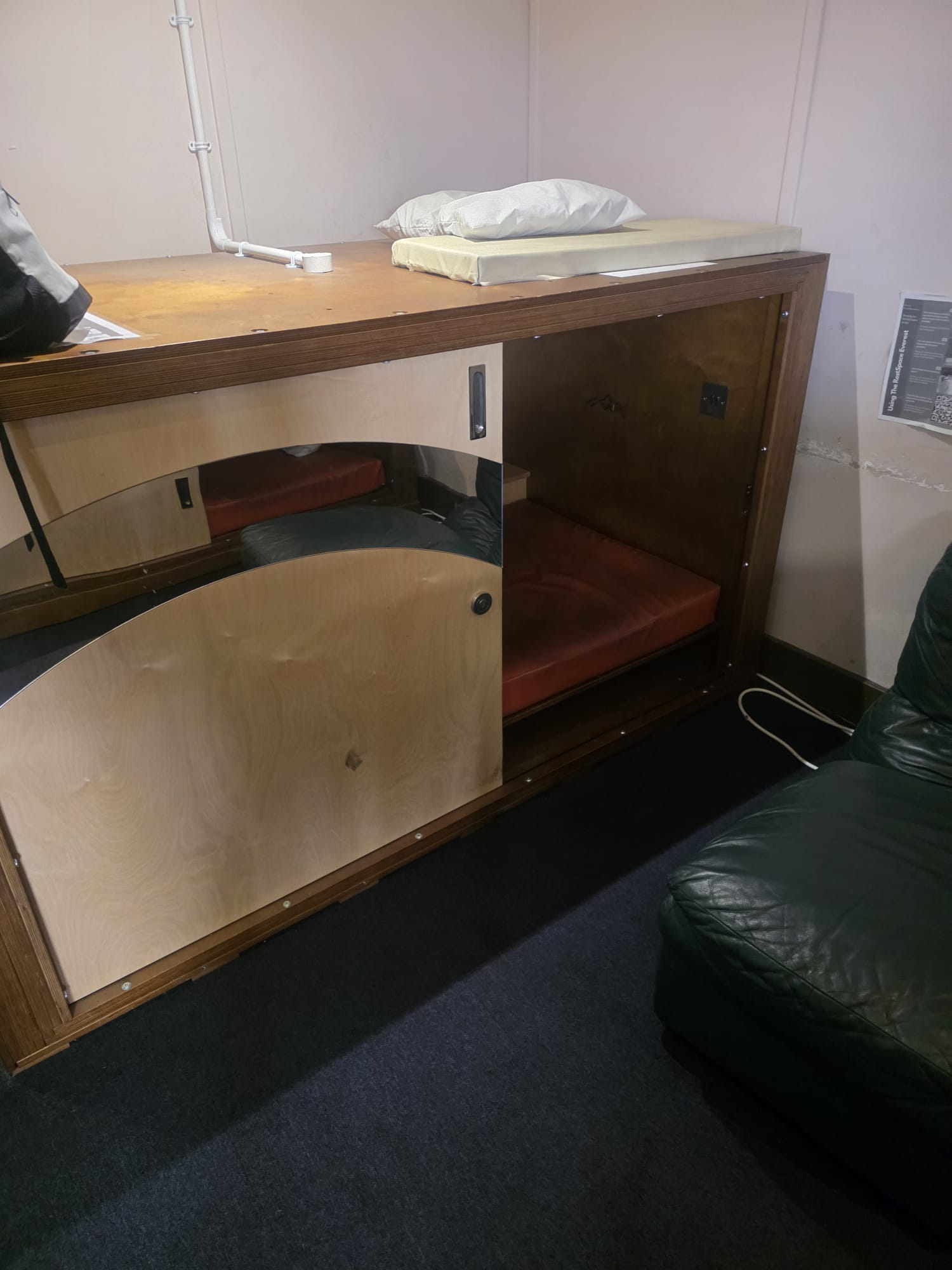
Exclusive: Would you want your bus driver sleeping in this box?
Late nights, irregular scheduling, long unbroken periods driving, and the need to pick up extra shifts and overtime due to low wages have contributed to a crisis of bus driver fatigue, according to Unite the union. They found nearly half of drivers had experienced a ‘close call’ as a result of exhaustion in the past 12 months.
In 2019, when the union first raised the issue, Transport for London allocated £500,000 in funding for bus companies to find innovative ways to reduce driver exhaustion and protect passengers.
Where did that money go? Bus operator Metroline, owned by the Singapore-based ComfortDelGro, used it to buy two “Rest Space” sleep pods at Willesden bus garage in north west London. The box beds – which lock from the outside and retailed for £10,000 – are now being used for storage after drivers refused to enter them, although the pillows remain in place for those wanting to nap at work.
The union’s general secretary Sharon Graham told London Centric that making drivers “take a nap in a cupboard in their depot won’t cure the problem” and “bus drivers are being overworked to the point of extreme fatigue by the bus companies”. She said “long hours, terrible shift patterns and the poor workplace conditions” pose safety risks. Metroline did not respond to a request for comment.
Other experiments with the money have also struggled to take hold. One of them involved installing experimental eye-scanning fatigue detection technology in buses, which would vibrate a seat if it found drivers to be fatigued. The kit was removed after the provider stopped supporting the technology during the pandemic.
Why hasn’t the man arrested on suspicion of being the Putney Pusher been named by the media?
On Monday it was confirmed that a 44-year-old man had been arrested on suspicion of being the ‘Putney Pusher’, the jogger who shoved a woman into the path of a bus on Putney Bridge back in 2017. No one was ever charged and it became one of the most notorious cold cases in the capital.
News of the man’s arrest, for potential attempted grievous bodily harm, was broken by the Daily Mail, which described the arrested man as being a “banker” who previously served in the army and has “ties to the royal family”.
On Tuesday morning, a Met spokesperson confirmed a man had been “bailed pending further investigation”.
Several London Centric readers have been in touch asking why the man hasn’t been named.
A decade ago it’s almost certain the suspect’s identity would have been published in the media. But following a legal case brought by the singer Cliff Richard, news outlets rarely name people who are subject to an official investigation but have not been charged with any offence. In this case, the arrested man’s identity is known to newsrooms but his right to privacy is considered to outweigh the public interest case for naming him.
Ironically, it was the Putney Pusher case that showed one of the problems with the old system that prioritised the media’s right to publish. The last person arrested in relation to the case had his name all over the newspapers, despite having a solid alibi. That man was later released without charge.
X marks the spot
Sadiq Khan has committed £7m to an international tourism and investment campaign to promote London and fight back against what he terms “false narratives” caused by viral videos.
City Hall said its in-house analysis concluded one of the biggest threats to London’s global reputation was Elon Musk’s X, formerly known as Twitter. Research by the mayor’s office found that the financial incentives introduced by Musk, where accounts with blue ticks can get paid small sums of cash for going viral, have substantially exacerbated the problem in recent years.
“Verified X accounts can be a particular challenge as they pose as news outlets and spread false posts that will create high levels of engagement to make money,” the mayor’s office said.
They said these posts on X then seep into other languages, with Japanese and Chinese-language accounts “mirroring and amplifying narratives originating from the UK’s extreme right-wing” about London and undermining the capital’s tourist market.
Despite this, a City Hall source told London Centric that, after weighing up the options, there are no plans for Khan to stop posting on X or boycott Musk’s site: “It’s where thousands of Londoners get their information and news, whether from media or politicians. We continue to communicate with Londoners wherever they are, across multiple platforms.”
OK, London’s getting self-driving cars. But what about self-driving buses?
London’s self-driving taxi battle is heating up, with paying members of the public set to get in the vehicles by the end of the year. But could other vehicles be next?
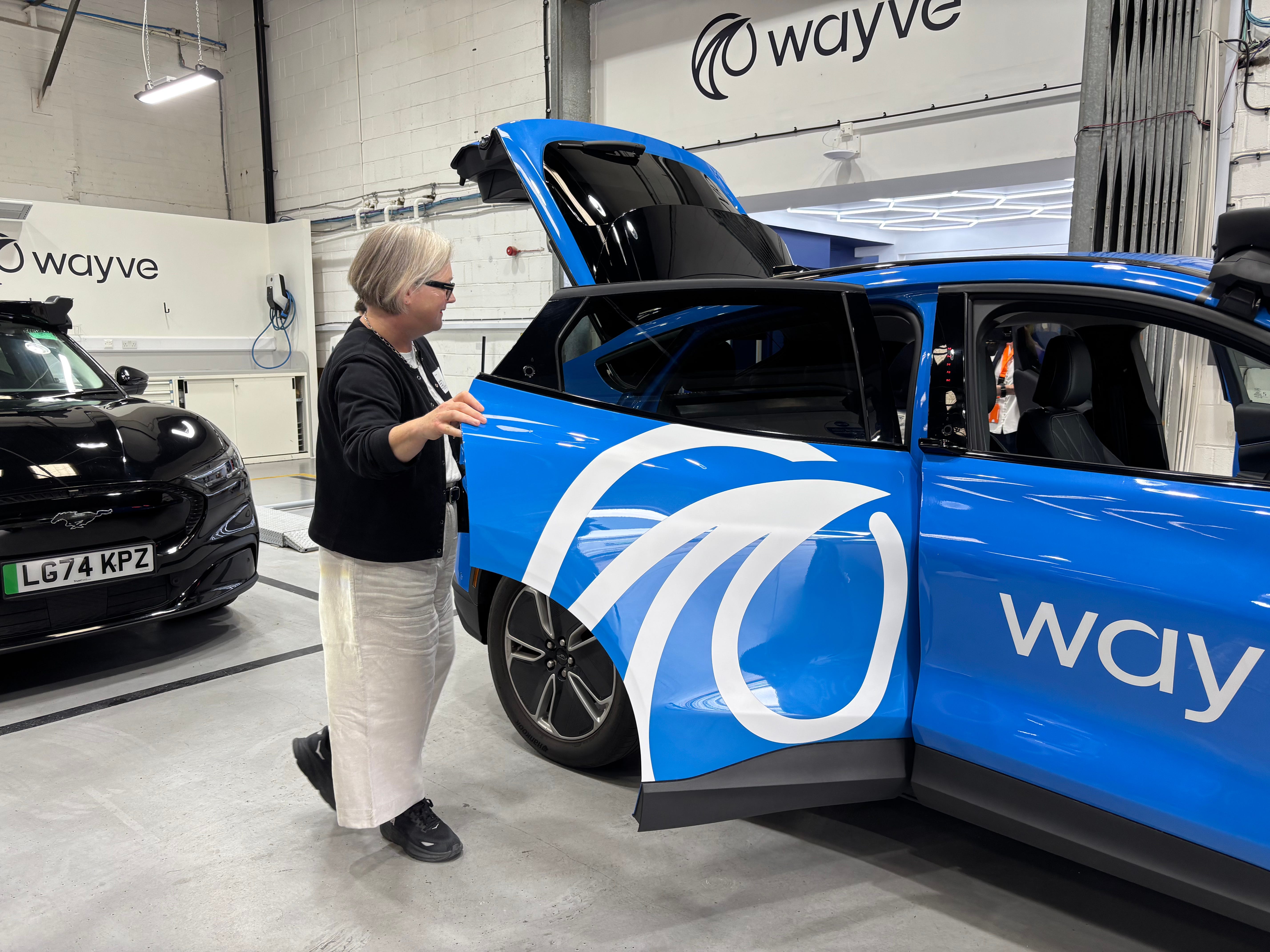
On Monday morning, London Assembly members gathered at the King’s Cross headquarters of Wayve, just behind Egg nightclub, to take a test run in the company’s self-driving cars.
Not to be confused with Google-backed Waymo, Wayve is a British startup that’s been testing self-driving cars in the capital since 2018. Unlike Waymo, which operates its own fleet of cars, Wayve licenses AI software to other operators. It’s launching rides in collaboration with Uber in the coming months, albeit with a driver still behind the wheel.
Given Sadiq Khan’s stated goal of getting people out of their cars and onto public transport, there’s a real risk that new robotaxis flood the roads and add to the congestion on the capital’s streets. But what if the self-driving technology wasn’t reserved for taxis but opened up to bigger vehicles that aid the public transport system?
Caroline Russell, the leader of the Greens at City Hall, told London Centric: “Wayve are really interested in getting their technology used on buses, on public transport, on big lorries and delivery vehicles.”
She added: “At the moment, the autonomous passenger vehicle model is where the money is. Wayve are trying to get hold of a huge amount of money to keep developing this technology. The government needs to be thinking, why are we allowing the public purpose of this technology to go off to the private sector?”
Russell suggested minibuses in the capital’s “public transport deserts” could be fitted with the technology: “Why isn’t the government or TfL investing in this to make buses safer?”
Missed Saturday’s piece on the raids on Harry Potter gift shops? Read it here.
“Drinks and food will be provided”: Stratford Westfield and the AI-generated riot that didn’t happen
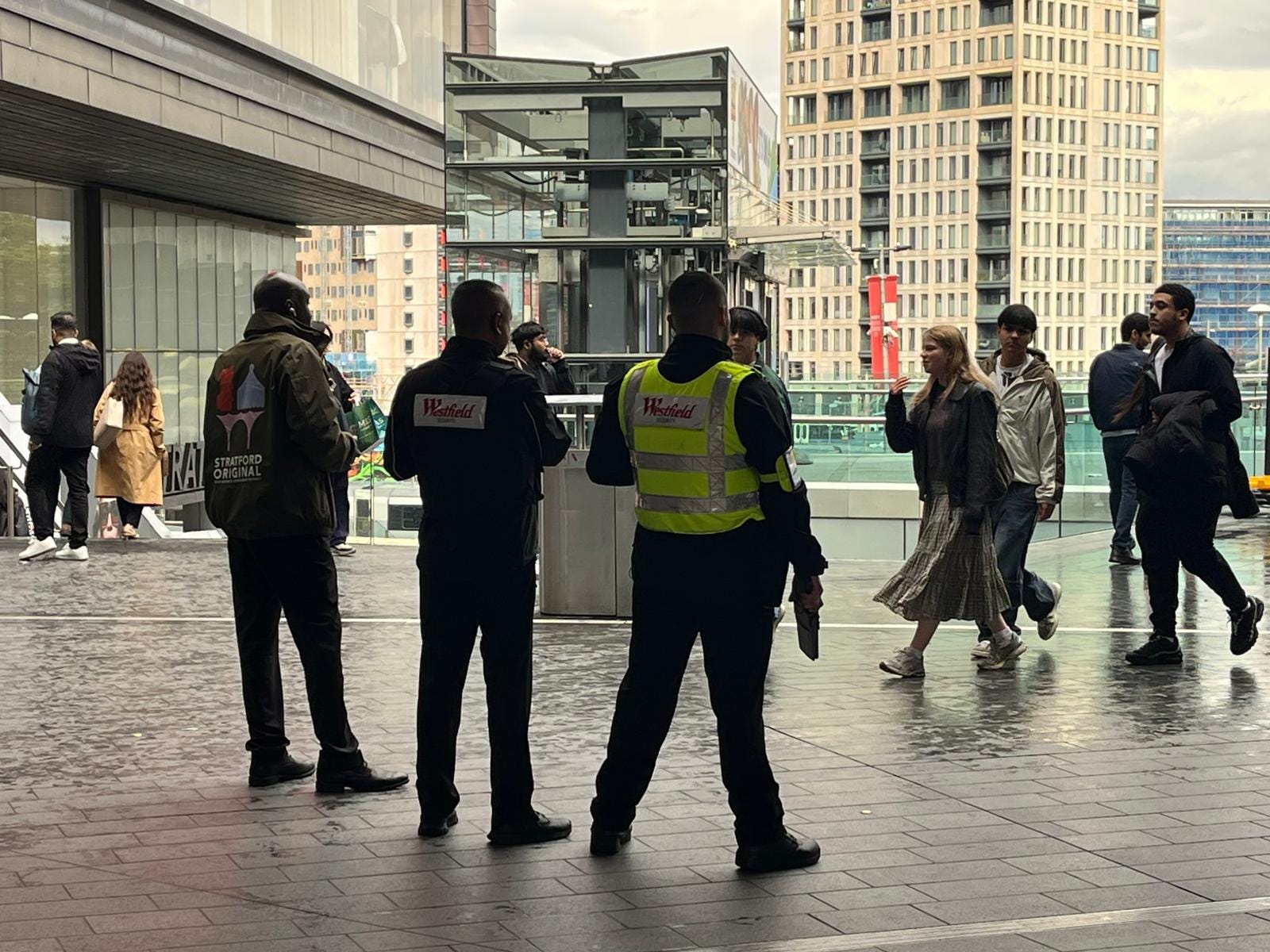
Last Wednesday afternoon, Stratford Westfield shopping centre in east London was set to be the scene of a bloody riot. Local offices in the venue, which was the scene last year of a viral video of a teenager narrowly missing shoppers as he threw a chair from an upper floor, let staff leave early to get home safely. Warnings were issued to nearby residents. Extra security was drafted in.
What prompted all this was an image that had been circulating rapidly across local WhatsApp groups for the previous 48 hours, declaring that an “East London War Link Up” would take place in the shopping centre at 5pm.
Over a dystopian illustration of motorbikes in an urban hell, it boldly instructed: “Bring machines. Bring ammunition. Bring swords.”
Somewhat improbably — and possibly added automatically by an overenthusiastic AI design package — the advert also promised riot attendees that “drinks and food will be provided”.
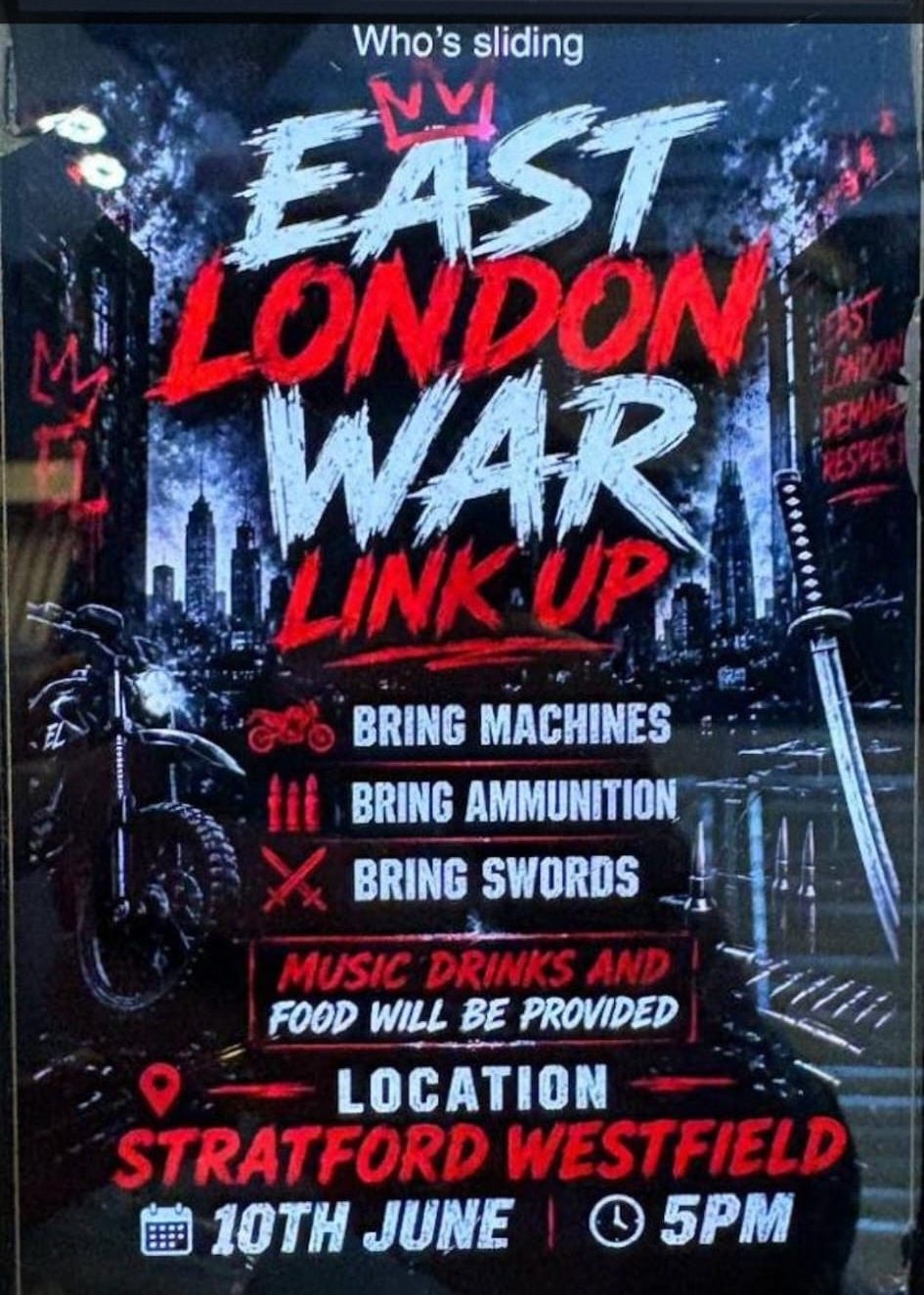
More than a dozen concerned members of the public forwarded it to the London Centric WhatsApp number as it pinged around the area’s group chats. Children were warned by their parents to stay away. Some versions we saw appeared to be the original image; others were photos of the poster printed out and stuck to a wall.
In the end, nothing happened.
When London Centric visited Westfield on Wednesday evening, there were extra security staff and dog teams, plus additional checks at the entrance, searching the bags of confused shoppers. A security guard told us, “Something was put on social media… we’re expecting it to be young boys, juveniles.” But perhaps due to parental anxiety, there appeared to be even fewer teenagers hanging around than usual. The Metropolitan police later confirmed there had been “no disorder and no arrests.”
Once again, a corner of London had briefly held its breath in fear of an imagined turf war, which appeared to be the concoction of someone with access to AI and WhatsApp. But where is the line between imagined and real disruption to the capital from bored teenagers’ social media networks? Which threats should be taken seriously and which ignored? And how do Londoners deal with all this?
“Forwarded many times”
Journalism, understandably, tends to focus on the things that might happen or did happen. It doesn’t spend much time analysing the things that didn’t happen.
Last week’s Stratford non-incident was what might once have been a schoolyard whisper campaign. Instead, it prompted a multi-agency response that diverted resources from elsewhere in the city. It’s impossible to say how many people saw the call-to-arms in the 24 hours it circulated, but based on the sheer number of messages, it could plausibly have reached hundreds of thousands of Londoners, or even millions. Many of them will have felt less safe in their city as a result.
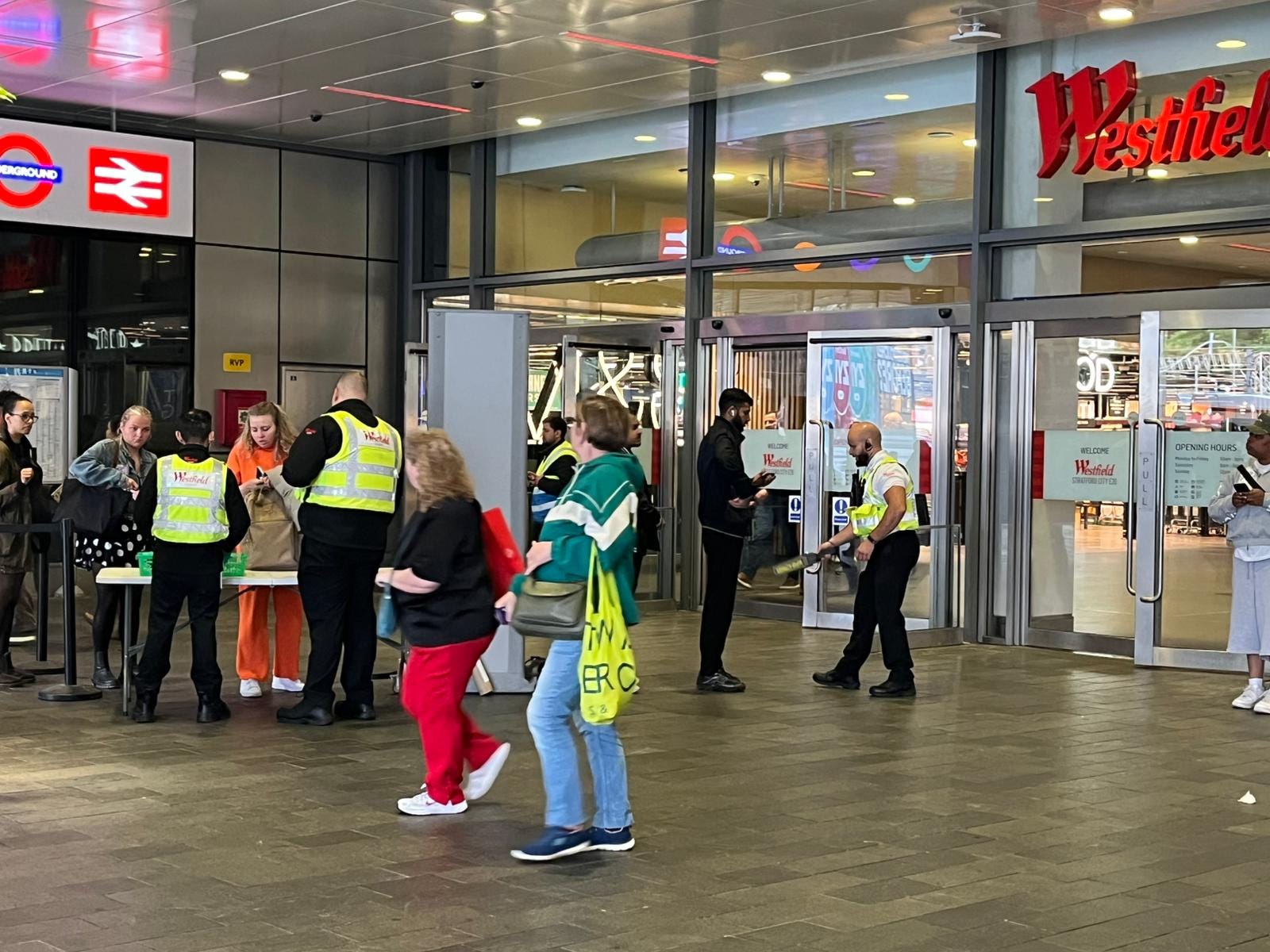
Despite the relatively low-key nature of the threat, even large businesses didn’t know how seriously to take it. Some of the big employers based in offices in nearby Endeavour Square, home to the likes of the Financial Conduct Authority and Transport for London, issued warnings to staff. And those warnings served to inadvertently lend credence to a threat that had previously remained unsourced.
Dive London, an aquatics club based in the former Olympic swimming pool in Stratford, sent an email to members saying Westfield staff, the Olympic Park security team and the Metropolitan police were all aware that “a violent disruption” involving weapons was being planned. The email said similar events had been mitigated by security in the past, but nonetheless advised people to avoid the Stratford area.
That Dive London email was then screengrabbed and went viral in local WhatsApp groups – with the “forwarded many times” tag that the app automatically adds to viral content. This second email was then held up as evidence that the original AI-generated posters had legitimacy.
Whether there was ever going to be a riot, or whether local teens were ever planning to turn up, is hard to judge. It could be that the drizzly weather and the substantial security presence made would-be attendees turn straight back around. It could be that they were never coming in the first place.
We have been here before. Earlier this year London Centric was the first news outlet to visit the location of a supposed “red vs blue” school war meeting. What we found was a group of younger teenagers milling around outside a McDonald’s, ready to film content in case anything happened. Nothing did. But this is a generation for whom recording online content can be the whole purpose of an activity, rather than simply applying a lens to it.
Within weeks, similar red vs blue posts had spread across the rest of London and then the nation, with coverage across mainstream media raising fears among both children and parents. In some cases the school wars became a self-fulfilling prophecy and scuffles broke out. Whispers of real fights and stabbings spread fear among teenagers. A few weeks later came the very public chaos in Clapham, which went viral around the world and disrupted Sadiq Khan’s work with the Foreign Office to convince the UK’s ambassadors to sing the praises of London as a safe place.
“Some skater kids”
It’s not easy to work out who is responsible for these viral calls-to-action — and whether anyone should, or could, be held to account for what is becoming a pattern of panic-stoking images. It’s relatively easy to arrest someone for shouting “fire” in a crowded theatre. It’s harder when the person shouting fire is an anonymous teenager with little risk of being caught – and when the message is spreading far beyond the place they first set it going.
On 1 March, the police arrested a man in his 20s and a 15-year-old boy on suspicion of encouraging or assisting a crime in connection with the red vs blue school wars trend. But the force has now told London Centric that both have been released pending further investigation, as there was not enough evidence to charge them.
Similar efforts to crack down on the young people involved in the more serious chaos in Clapham, which we covered at length, resulted in a handful of individuals being charged. The case of a 17-year-old girl charged with assault on a police constable, which we reported on recently, is due to return to court next month.
The skill required to work out what’s a real threat, what’s a joke and what’s AI slop is finely balanced. The Met has the task of distinguishing the bad pastiche of a bored 13-year-old, or a viral content-filming opportunity by an influencer, from a genuine safety risk.
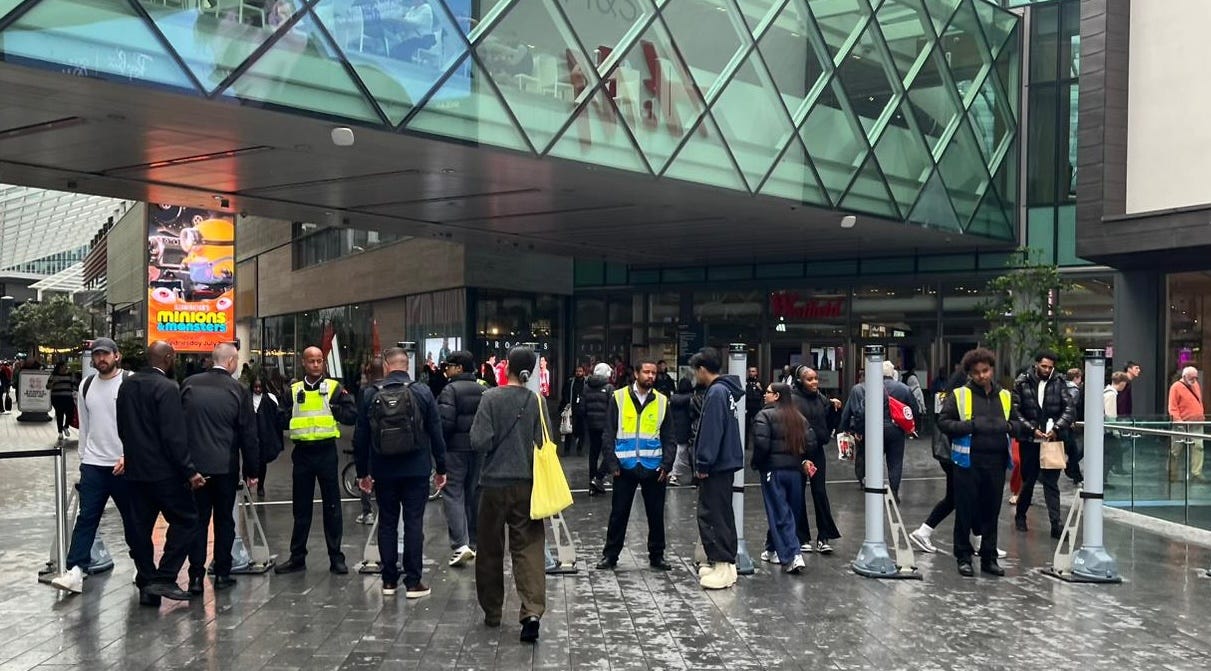
Back in Stratford on Wednesday night, the security guards earning overtime at Westfield were among the few people benefiting from this cautious new normal, in which a viral post can cause low-key chaos and paranoia.
As one security guard put it, as they looked at the sparsely attended shopping centre: “Some skater kids put on social media that they may come here in large groups. We’re just here for added safety.”
PS… Who doesn’t want London Centric’s reporting about them to appear on Google?
Over the last few weeks, something curious has been happening. An unknown person has been asking Google to remove London Centric’s reporting about them under “right to be forgotten” powers. Until relatively recently, Google would have told London Centric which pages were being blocked from search rankings.
But a 2024 court decision in Sweden means the only information we get is that someone, somewhere, isn’t a fan of our work appearing when you search their name. So we’re flying blind. If you’re Googling the subject of one of our stories and can’t find the link, do let us know.
Winning a £500K TFL bid to manufacture bus driver sleeping pods/coffins from charity shop fake g-plan sideboards at a cost of £10K a piece is insane. At this rate of extreme capital waste I might just hop the tube barriers too next time, FUCK a fare.
So curious about that last nib! For what it's worth, I still get a London Centric piece as the 4th search result on Google for 'Asif Aziz', only below Wikipedia, LinkedIn and Reddit. Not sure if others see the same. Or maybe it's someone else.